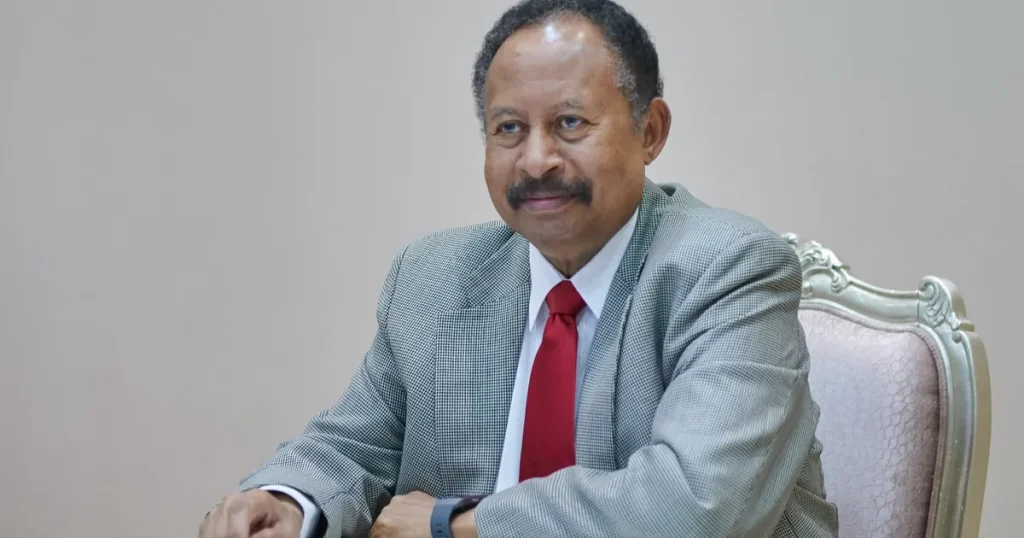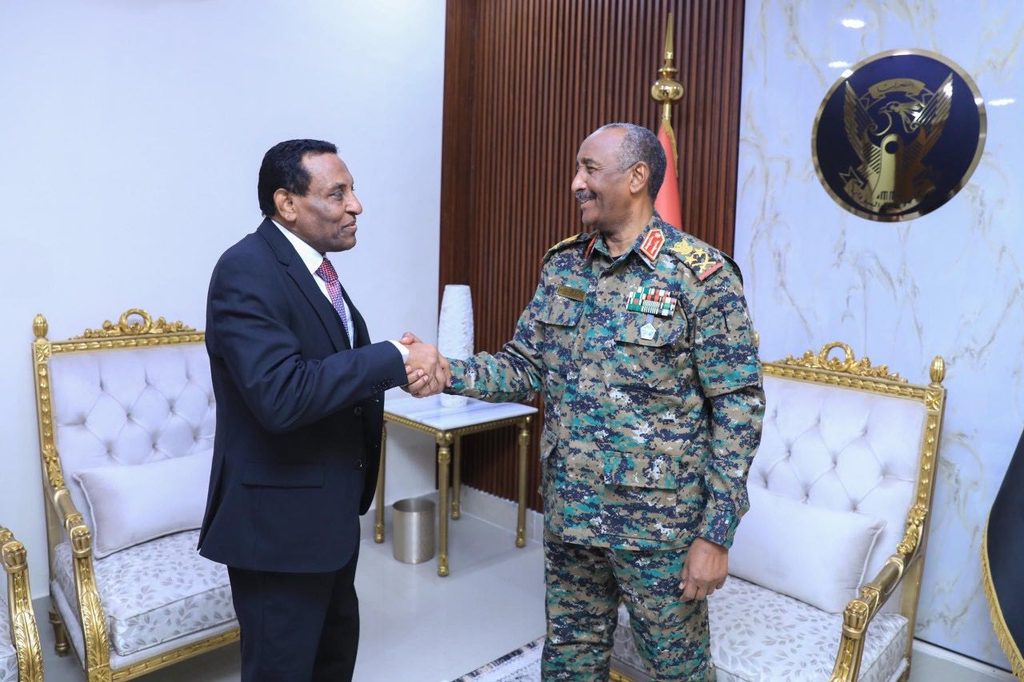
A network of media operatives allegedly linked to Sudan’s former Islamist regime has launched an organised campaign to undermine Prime Minister Kamil Idris and shift responsibility for the country’s worsening economic crisis away from the military leadership, according to a report published Wednesday by Alrakoba.
The Sudanese news outlet, citing leaked documents and unnamed sources, reported that figures associated with the former ruling National Congress Party, commonly known as the Kizan, had established a media operations room to coordinate attacks against Idris and his ministers.
The alleged campaign comes as Sudan faces a deepening economic crisis, with the national currency falling to a record low of 10,000 Sudanese pounds against the US dollar on Wednesday.
According to Alrakoba, the media operation intensified following the latest currency collapse, with Islamist-aligned commentators and activists increasingly blaming the civilian administration for deteriorating living conditions, fuel shortages and rising prices.
Sources cited by the outlet claimed the initiative followed a meeting between Sudanese military chief Abdel Fattah al-Burhan and media representatives.
The report alleged that a closed coordination group, comprising journalists and media figures associated with the Islamist movement, subsequently held meetings to develop a communications strategy and assign responsibilities.
The alleged objective was to direct public anger towards Idris’s administration while shielding the military establishment from scrutiny over its role in managing the country’s economic and political affairs.
Alrakoba said the campaign had extended to social media, where Islamist-linked activists reportedly circulated photographs of lengthy fuel queues to portray the government’s handling of the crisis as a failure.
The report also highlighted remarks by Sudanese media personality Um Waddah, who reportedly called for Idris’s government to be replaced by military officers, arguing that the civilian administration had failed.
According to Alrakoba, such statements reflect a growing effort among Islamist-aligned figures to promote direct military administration despite the armed forces already exercising substantial influence over state institutions.
The allegations emerge amid mounting questions over the division of authority between Idris’s administration and the military leadership headed by Burhan.
Although Idris leads the executive government, the military establishment retains significant control over Sudan’s political and security structures.
The dispute also comes against the backdrop of mounting economic hardship caused by more than three years of war, which has devastated infrastructure, disrupted trade and displaced millions of Sudanese.
The Sudanese pound’s latest collapse has further reduced purchasing power, making essential goods increasingly unaffordable for households already struggling with shortages and soaring prices.
Opposition media has characterised the alleged campaign as an attempt to redirect public dissatisfaction towards the civilian government while protecting military leaders from political accountability.