Diplomats and international security experts have warned that escalating tensions between the United States and Iran could trigger an all-out war, following intelligence reports alleging that Tehran has reached advanced stages of planning attacks against American officials.
The warnings come amid growing concerns in Washington that Iranian operatives may be preparing assassination attempts targeting US diplomats and government personnel abroad, potentially provoking another major American military offensive.
According to The New York Times, senior officials in President Donald Trump’s administration believe several suspected Iranian plots have progressed beyond preliminary planning, raising fears that a single attack could unleash a wider confrontation.
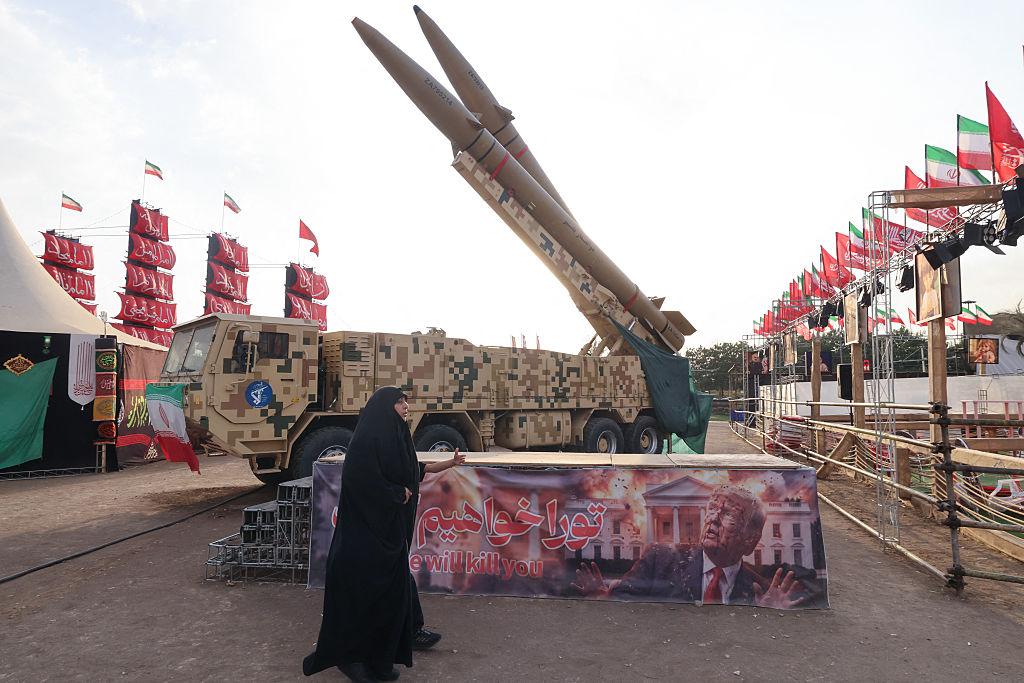
Meanwhile, Iranian officials reportedly believe that Washington and Israel are preparing a third major military assault against the country within 16 months, aimed at forcing Tehran to accept American demands.
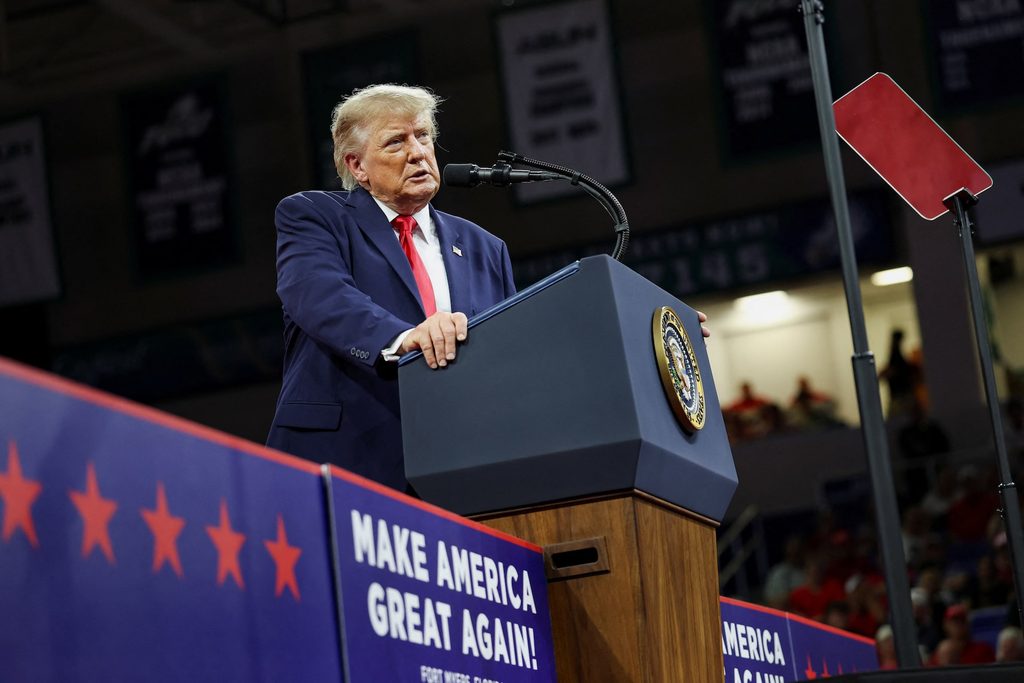
Senior US officials told the newspaper that Trump has privately expressed an inclination towards another round of large-scale strikes against Iran.
US Central Command has reportedly developed an expanded list of potential targets, including energy infrastructure and facilities considered vital to the Iranian economy.
However, no final decision to launch another offensive has been announced.
Fears of dangerous escalation
Diplomats and security analysts warn that the confrontation has entered a particularly volatile phase, with military calculations increasingly influenced by domestic political pressures in Washington and Israel.
Officials fear that an assassination attempt against an American diplomat, even if unsuccessful, could trigger a disproportionate military response.
Similarly, an unexpected explosion or suspected attack near Iranian military leaders could prompt Tehran to retaliate before the circumstances are established.
The newspaper warned that misinterpreted intelligence, political calculations and failures to understand an adversary’s intentions could create conditions resembling previous international crises.
Analysts cited the 1962 Cuban Missile Crisis and the intelligence failures preceding the 2003 invasion of Iraq as examples of how miscalculations can bring governments dangerously close to catastrophic conflict.
The risks are heightened by approaching elections in both countries.
Israeli Prime Minister Benjamin Netanyahu faces a crucial election on Tuesday, while Trump is preparing for the November 3 US midterm elections.
According to the report, electoral pressures could influence decisions on whether to launch further military operations against Iran.
Trump has indicated that he does not intend to order new attacks before the midterm elections, although he has left open the possibility of military action afterwards.
US intelligence warns of assassination campaign
American intelligence agencies have reportedly identified growing indications that Iranian operatives are considering attacks against US ambassadors in the Middle East and American officials inside the United States.
The alleged operations have been linked to Iran’s Islamic Revolutionary Guard Corps, particularly Unit 840, which Western intelligence agencies have previously associated with overseas assassination and kidnapping plots.
A classified intelligence assessment reportedly suggests that some Iranian operations have moved from the planning stage towards possible execution.
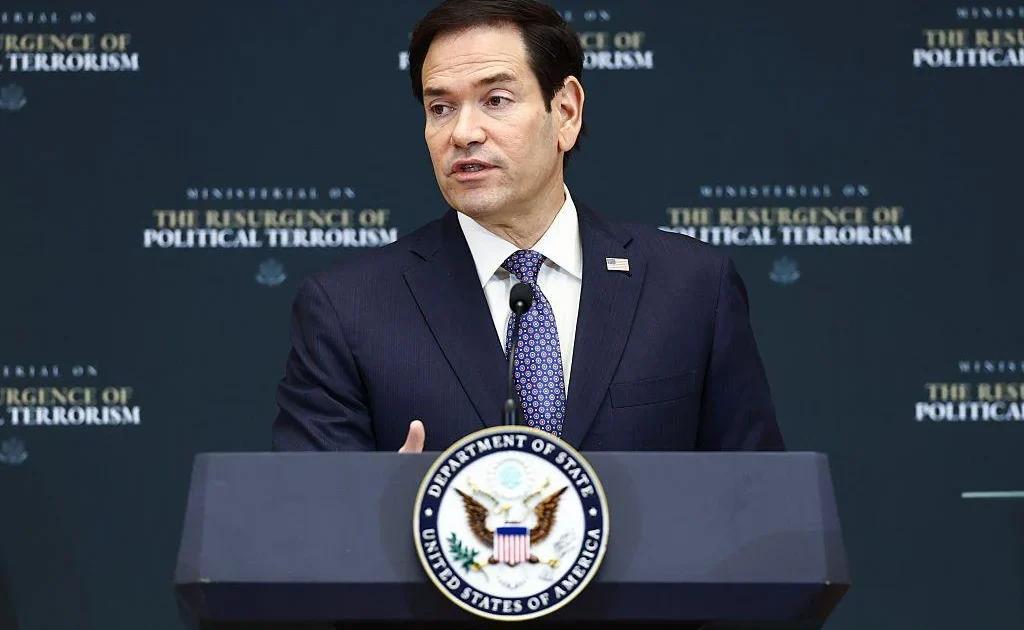
Director of National Intelligence Jay Clayton warned Secretary of State Marco Rubio in an October 23 memorandum that Iranian efforts to target Americans had intensified significantly.
The assessment also raised concerns that existing restrictions on intelligence sharing were preventing some US personnel from receiving timely warnings about potential threats.
Nevertheless, officials acknowledged that Tehran’s operational ambitions may exceed its ability to carry out sophisticated attacks abroad.
Previous suspected Iranian operations have reportedly relied on criminal intermediaries and hired assassins, some of whom were arrested before carrying out their alleged assignments.
One US official said intelligence suggested that individuals linked to Iran could already be operating inside American territory, although their ability to conduct attacks remains uncertain.
The intelligence underlying the latest allegations remains largely classified, preventing independent verification of the specific plots.
British airbase threat raises alarm
Concerns about Iranian operations abroad intensified earlier this month following allegations of a planned attack against RAF Fairford, a British military installation used by American forces.
The United States withdrew 12 B-1 strategic bombers from the base after receiving intelligence about a suspected Iranian-backed drone operation targeting American aircraft and personnel.
British authorities subsequently investigated individuals suspected of involvement in activities near the installation.
Iran has denied involvement in the alleged plot.
The incident heightened concerns among Western governments that the confrontation could spread beyond the Middle East and expose American military facilities in Europe to attacks.
US and European officials say intelligence concerning potential Iranian retaliation has increased in recent weeks, particularly following indications that Tehran could respond to another American or Israeli offensive with coordinated assassination attempts and other operations abroad.
Washington weighs another military offensive
According to the report, Trump has received regular intelligence briefings concerning the suspected Iranian plots, which some officials regard as among the most serious threats identified since the conflict began on February 28.
The administration has also examined military options that could significantly expand the scope of operations against Iran.
However, officials remain divided over the reliability of certain intelligence assessments and the extent of Tehran’s actual capabilities.
Some Western officials have warned that intelligence concerning assassination plots must be carefully evaluated to avoid turning uncertain assessments into justifications for another major offensive.
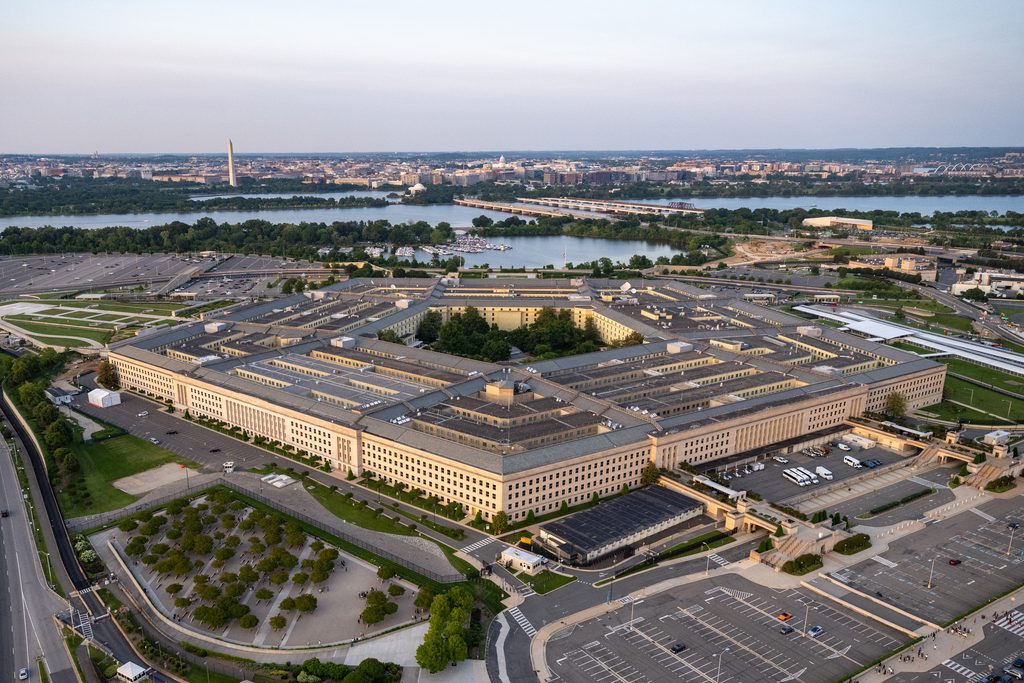
The New York Times also highlighted the limited public information provided by the White House and Pentagon concerning the conflict, noting that the absence of regular briefings has complicated efforts to assess the administration’s intentions.
With Washington considering additional strikes and Tehran reportedly preparing retaliatory operations, diplomats fear that either side could misinterpret the other’s actions.
The greatest danger, analysts warn, is that a single assassination attempt, military incident or intelligence failure could transform the existing confrontation into a much broader war.