Libya’s eastern-based government has banned Iranian and Afghan nationals from entering areas under its administration through land crossings, airports and seaports, expanding restrictions previously imposed on citizens of four African countries.
The Benghazi-based administration, led by Prime Minister Osama Hamad, announced the decision late Wednesday but did not provide an explanation for the new measures.
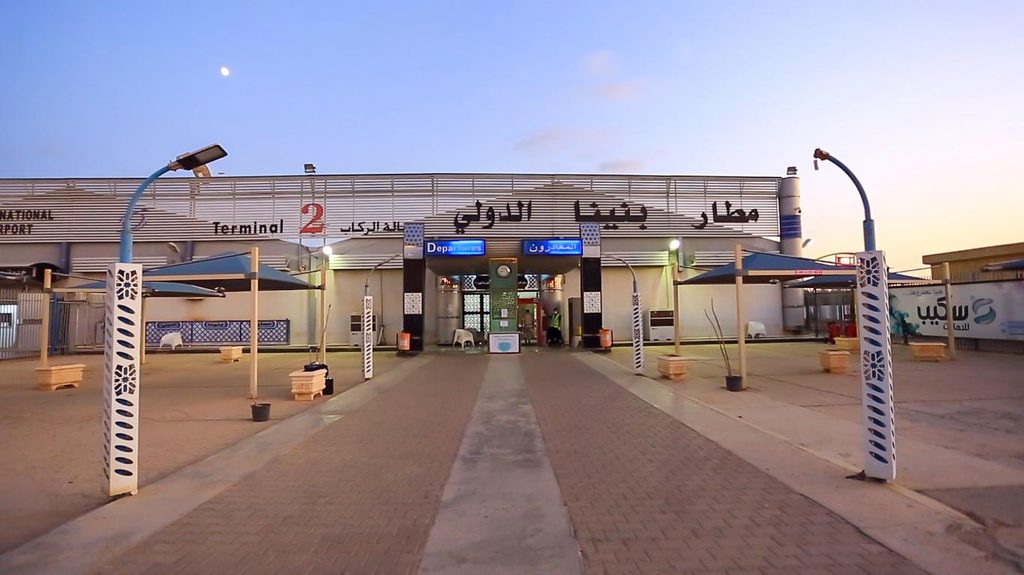
In a statement published on its official Facebook page, the government said nationals of Iran and Afghanistan would be prohibited from entering through all land, air and maritime entry points.
The Interior Ministry has been instructed to enforce the restrictions and deport Iranian and Afghan nationals who lack valid residence permits.
The decision follows similar measures introduced in June, when the eastern administration barred nationals of Sudan, Eritrea, Ethiopia and Somalia as part of what it described as an effort to reorganise immigration procedures.
Exemptions remain in place for accredited diplomatic and consular personnel and their families, as well as authorised medical and education workers.
Libya remains divided
Libya has been politically fragmented since 2014, with rival administrations competing for authority following the 2011 uprising that toppled longtime leader Muammar Gaddafi.
Hamad’s government is aligned with military commander Khalifa Haftar, whose forces control eastern Libya and extensive areas of the country’s south.
The internationally recognised Government of National Unity, headed by Prime Minister Abdulhamid Dbeibah, operates from the capital, Tripoli.
The eastern administration’s announcement did not clarify whether the restrictions would affect entry points controlled by the rival western government.
Migration challenges
Libya remains a major transit country for migrants and refugees seeking to reach Europe across the Mediterranean.
Years of political instability, armed conflict and weak border enforcement have allowed human trafficking and smuggling networks to operate across parts of the country.
According to United Nations figures collected in June, Libya hosts more than 900,000 migrants.
The latest restrictions come amid continuing efforts by Libya’s rival authorities to regulate migration and control the country’s borders.