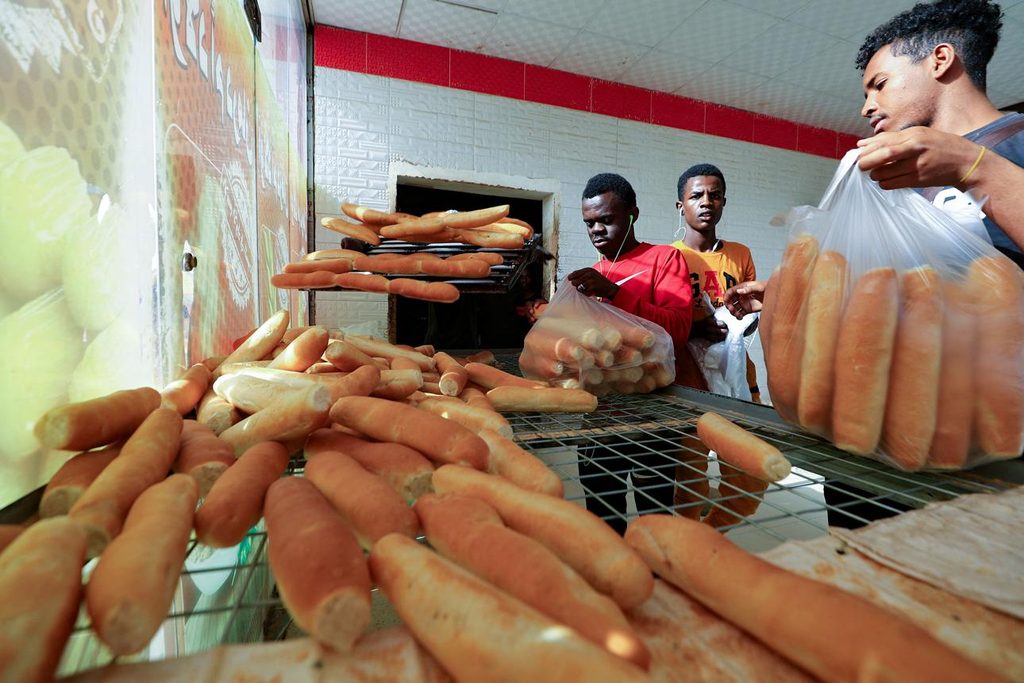
Dozens of bakeries across Sudan’s capital, Khartoum, have suspended operations as severe flour shortages, electricity outages and dwindling diesel supplies disrupt bread production, worsening the city’s food supply crisis.
The closures come amid persistent fuel shortages and transportation disruptions across Khartoum and several other states, placing additional pressure on households already struggling with rising food prices and deteriorating economic conditions.
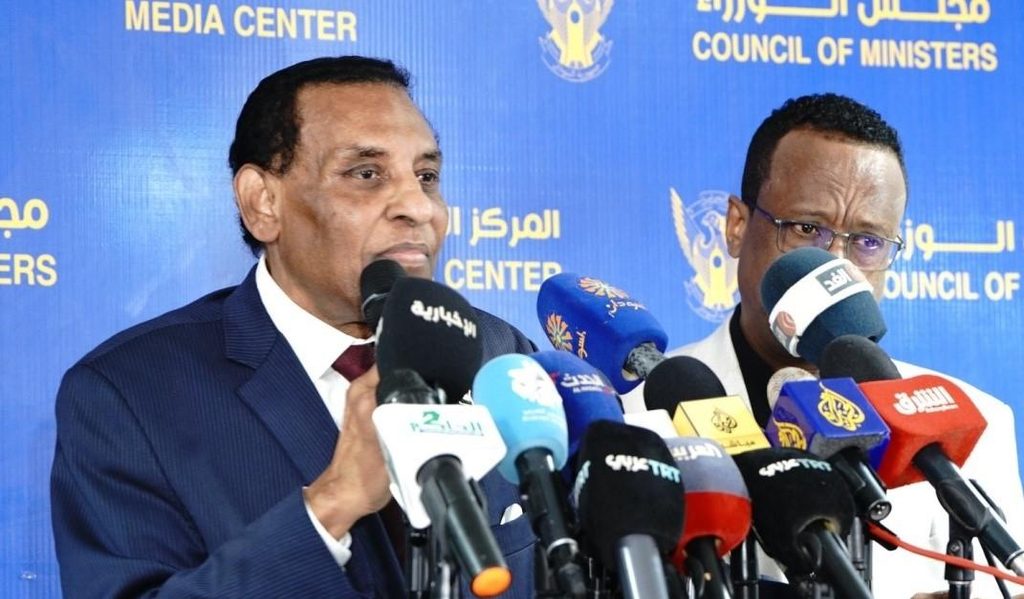
Issam Okasha, deputy head of the Bakeries Union, said on Sunday that the situation had deteriorated sharply, with shortages of flour and diesel forcing numerous bakeries to halt production.
He identified the lack of diesel as one of the most pressing challenges, explaining that bakeries depend heavily on fuel-powered generators to maintain operations during frequent electricity outages.
The disruptions have particularly affected bakeries in rural areas, where access to reliable electricity and fuel remains limited.
Flour supplies have also become increasingly unpredictable, with wheat deliveries to milling facilities arriving irregularly and production levels declining.
According to Okasha, flour shipments fluctuate daily and can be delayed for as long as a week, leaving bakeries without sufficient supplies to maintain normal operations.
Khartoum’s bakeries require an estimated 45,000 sacks of flour, each weighing 50 kilograms, every day to meet demand.
However, the full extent of the closures remains unclear because authorities have not maintained a comprehensive database of operating bakeries since Sudan’s military regained control of Khartoum state in May 2025.
Bread prices climb amid economic pressure
The worsening supply crisis has driven up bread prices, with several bakeries across Khartoum state increasing the cost of a single loaf to 500 Sudanese pounds since October 9.
Rising production expenses, fuel shortages and the continued depreciation of the Sudanese pound have contributed to the increases.
Okasha warned that restoring government flour subsidies would require substantial financial resources that Sudan’s military-aligned authorities in Port Sudan currently lack.
He estimated that approximately 200,000 sacks of flour would need to be subsidized daily across territories controlled by Sudan’s military, placing an additional burden on already strained public finances.
Okasha also rejected reports suggesting that subsidized flour distribution was continuing, saying the previous subsidy programme had ended more than five years ago.
Before Sudan’s war erupted in April 2023, Khartoum state had approximately 2,860 bakeries.
However, figures from September 2026 showed that just 275 bakeries were authorized to operate in Khartoum locality, illustrating the disruption to the capital’s bread production and distribution network.
The latest closures threaten to further restrict access to bread as residents contend with soaring living costs, damaged infrastructure and shortages of essential commodities following more than three years of war.