Egypt has signalled its readiness to take measures under its joint defence agreement with Sudan, presenting itself as a defender of Sudanese sovereignty despite mounting criticism over alleged Egyptian airstrikes that killed dozens of Sudanese gold miners near the countries’ shared border.
The warning came in a joint statement issued following high-level talks in Cairo on November 2, where Egyptian officials reaffirmed their support for Sudan’s military authorities and rejected the establishment or recognition of competing governing institutions.
Cairo said it was prepared to take measures permitted under international law and its bilateral defence agreement to safeguard Sudan’s territorial integrity and state institutions.
The declaration has drawn renewed attention to Egypt’s role in the Sudanese conflict, particularly following October airstrikes that Sudanese rights organisations and survivors blamed on the Egyptian military.
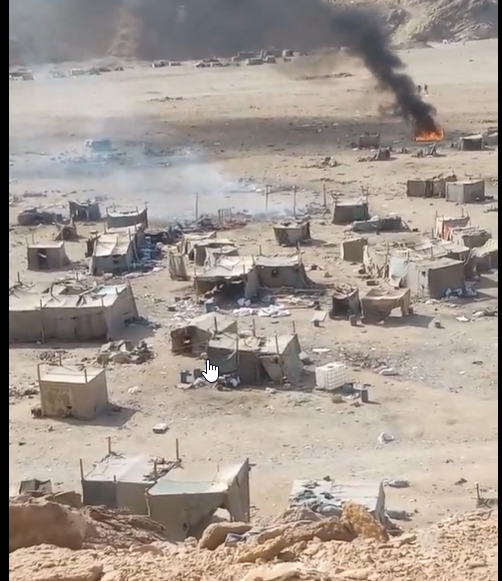
On October 10, airstrikes hit artisanal gold-mining sites in the Shamal al-Wadi region near the Egyptian border, killing dozens of Sudanese workers.
Sudan’s Emergency Lawyers group reported at least 72 deaths and accused Egyptian military aircraft of carrying out the attack.
The Sudan Founding Alliance (TASIS) separately condemned the strikes, alleging that more than 200 people had been killed and calling for an independent international investigation.
The casualty figures have not been independently verified, and responsibility for the strikes remains disputed.
Egyptian authorities have neither explicitly confirmed nor denied carrying out the attacks.
However, Egypt’s military acknowledged conducting operations against unauthorised gold mining in its southern border regions, describing the campaign as an effort to combat criminal activities and protect national resources.
The Egyptian military said warnings had been issued before the operations.
Eight Egyptian human rights organisations, including the Cairo Institute for Human Rights Studies, subsequently called for an independent investigation into the October 10 strikes.
The organisations said available evidence raised serious concerns about possible Egyptian military involvement and demanded accountability for the civilian deaths.
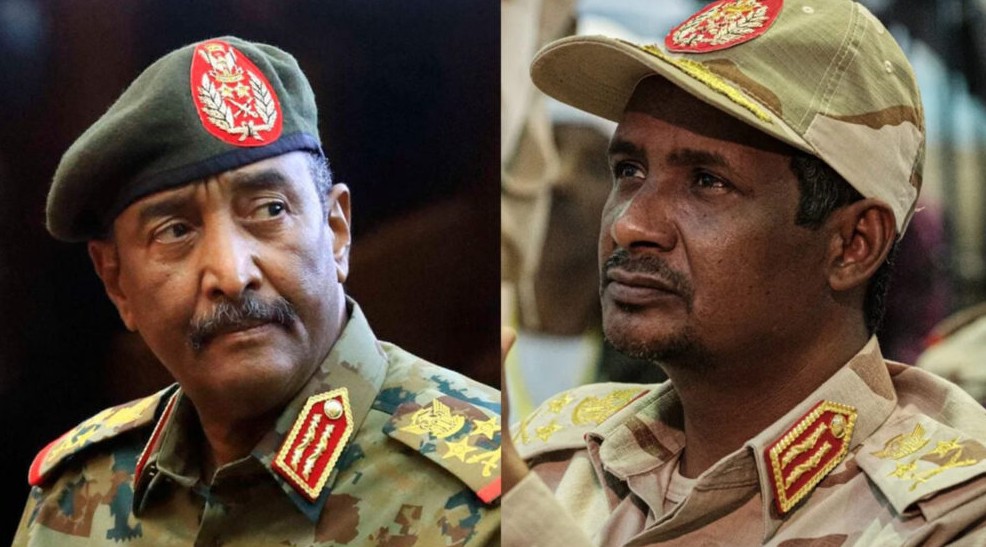
Their intervention added to questions about Cairo’s commitment to Sudanese sovereignty, particularly as Egypt continues to provide political support to the military authorities led by Abdel Fattah al-Burhan.
Burhan ordered an investigation into the miners’ deaths, although his administration stopped short of directly accusing Egypt.
The incident has also exposed competing interpretations of Sudan’s sovereignty.
While Cairo rejects the emergence of parallel governing institutions, the Sudan Founding Alliance has established a Government of Peace and Unity in Nyala, challenging the Port Sudan authorities’ claim to represent the entire country.
Egypt’s position places it firmly alongside Burhan’s military leadership in Sudan’s increasingly fragmented political landscape.
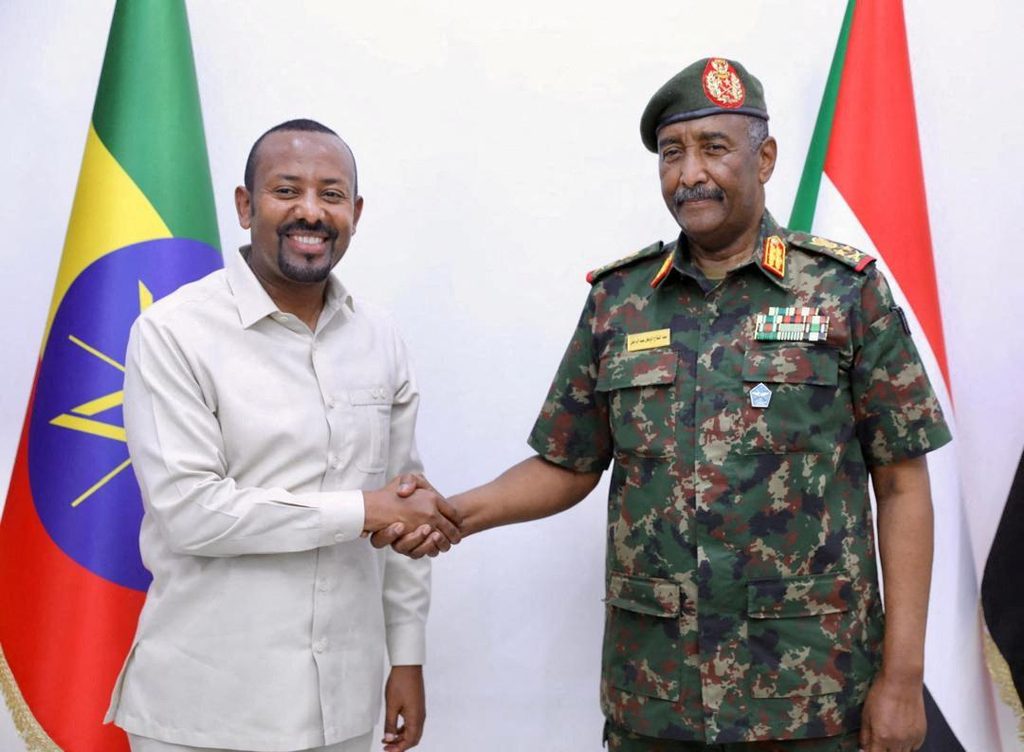
The latest defence agreement declaration came as tensions between Sudan and Ethiopia escalated over allegations that drone attacks against Sudanese infrastructure originated from Ethiopian territory.
Port Sudan authorities have submitted complaints to the United Nations Security Council and the African Union, accusing Ethiopia of allowing the Rapid Support Forces (RSF) to conduct cross-border operations.
Ethiopia has denied supporting the RSF and has accused Sudan of assisting armed groups in its northern Tigray region, allegations rejected by the Sudanese authorities.
The diplomatic dispute intensified this week when Ethiopia ordered the closure of Sudan’s consulate in Assosa and expelled six diplomatic personnel.
Sudan responded by ordering the closure of Ethiopia’s consulate in Gedaref.
During Monday’s talks, Egyptian Foreign Minister Badr Abdelatty and Water Resources Minister Hani Sewilam met their Sudanese counterparts, Mohieldin Salem and Ismat Qurashi.
Both governments reiterated their opposition to Ethiopia’s unilateral management of the Grand Ethiopian Renaissance Dam, describing the dispute as a shared national security concern.
They also opposed efforts to grant non-coastal countries maritime access to the Red Sea at the expense of coastal states’ sovereignty.
The Egyptian government maintained that Sudan’s security and territorial integrity were directly linked to Egypt’s national security.
However, Cairo’s renewed emphasis on protecting Sudanese sovereignty comes against the unresolved allegations surrounding the deaths of Sudanese miners and continuing concerns over its close alignment with Burhan’s military authorities.
With calls for an independent investigation still outstanding, Egypt’s position highlights a growing contradiction between its declared commitment to Sudan’s territorial integrity and allegations concerning its own military operations along the disputed border.