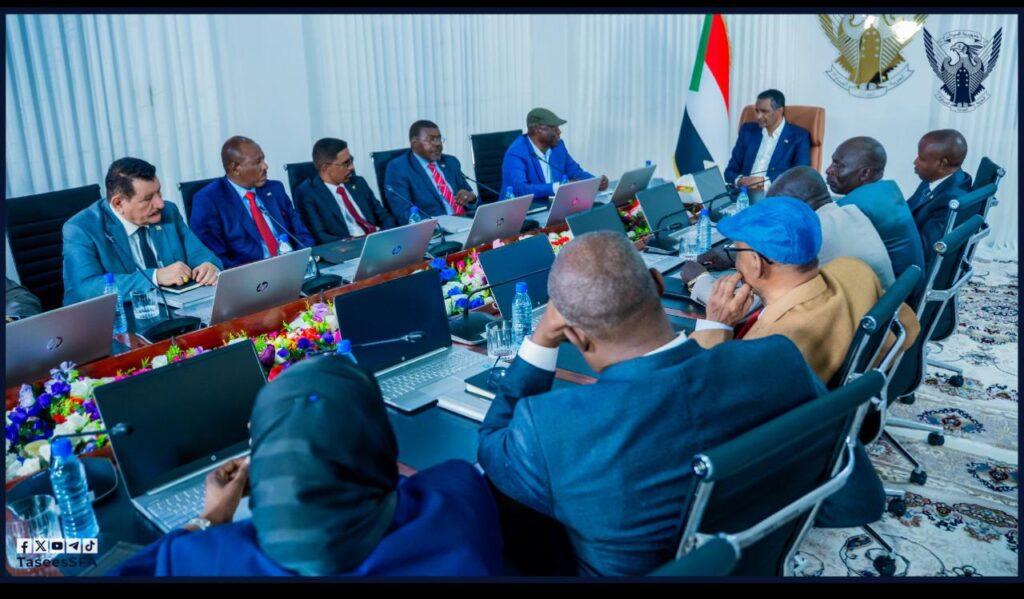
Sudan’s TASIS-led Government of Peace and Unity has begun preparations for its 2027 budget, establishing specialised financial committees as it moves to strengthen government institutions and economic administration in areas under its control.
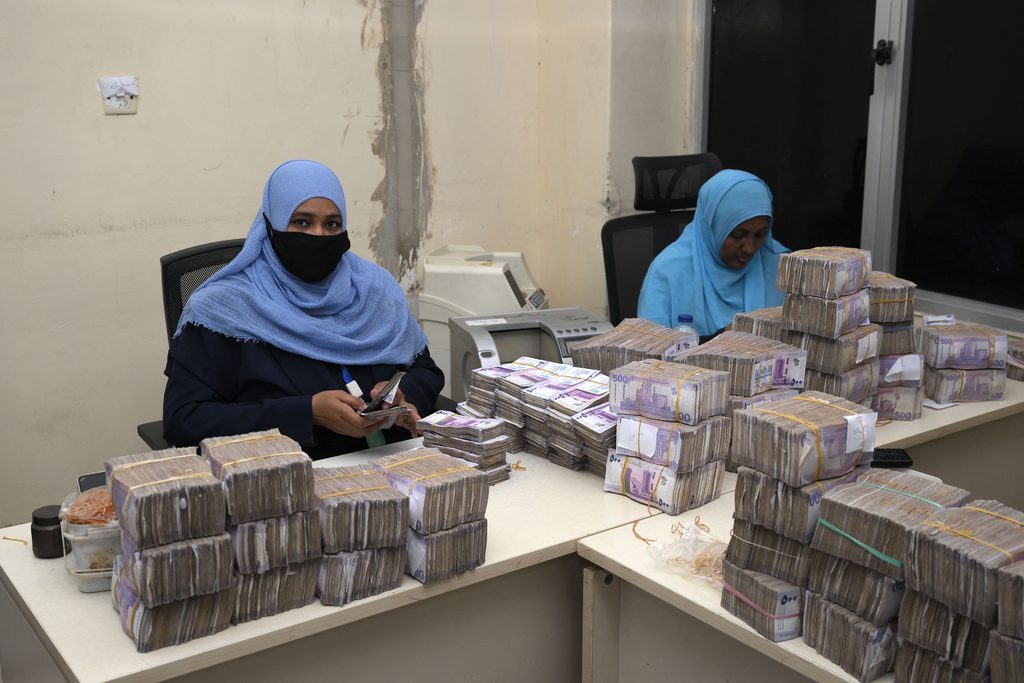
The initiative marks another step in the administration’s efforts to develop a functioning financial system and establish mechanisms for managing public expenditure and revenue collection.
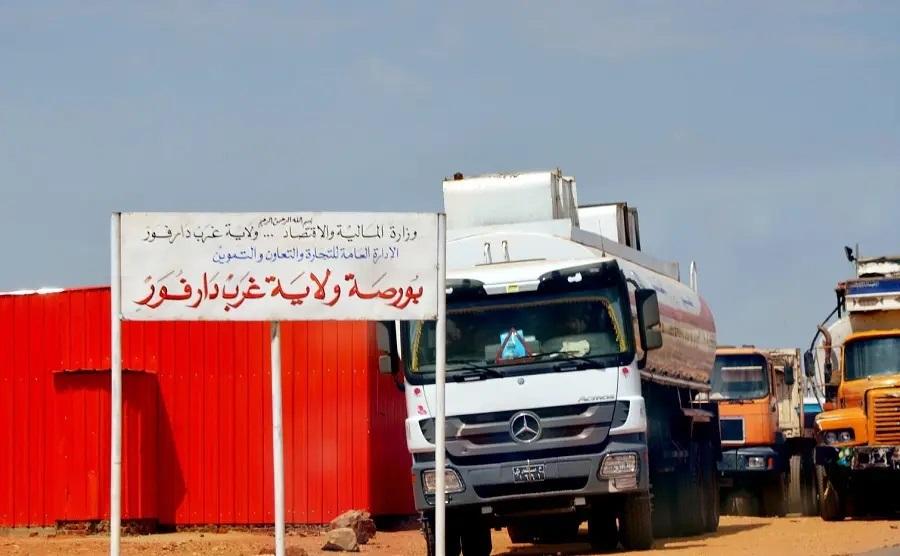
According to Sudanese news outlet Al Tanwir, the committees were established during a meeting at the headquarters of the General Secretariat of the Taxation Chamber in Nyala, the administrative capital of the Government of Peace and Unity.
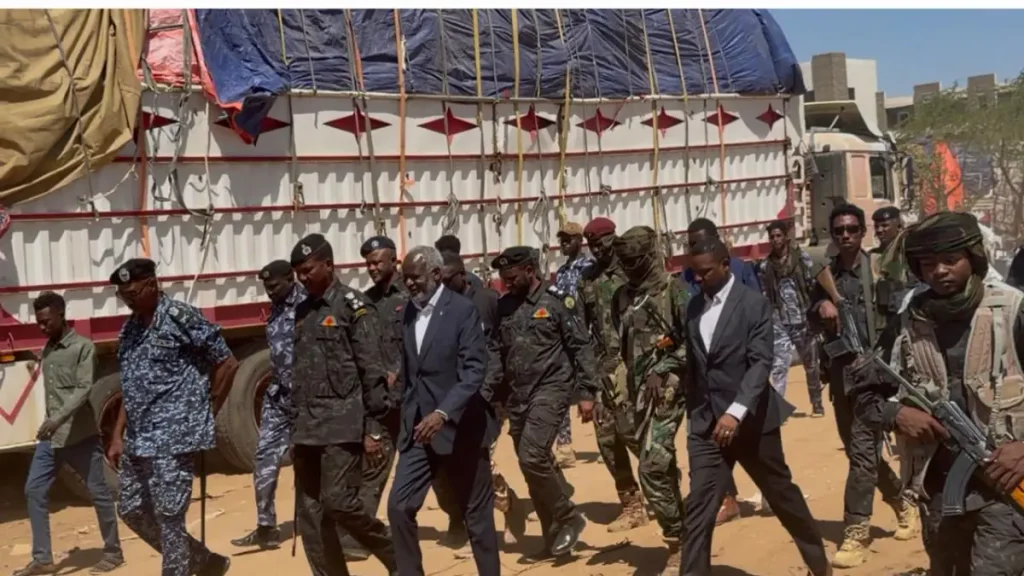
The meeting was attended by Federal Finance Ministry Undersecretary Rifa Ahmed Mublal, General Budget Director Farah Al-Dour and Ibrahim Adam, a representative of the Rapid Support Forces’ financial department.
Other officials from government revenue agencies, financial institutions and regulatory bodies also participated.
New framework for public finances
The newly established committees will oversee budget preparation, financial legislation and the review of laws governing government expenditure and revenue collection.
Officials are expected to develop a timetable for issuing budget preparation guidelines and distributing them to government institutions.
Ministries and other public bodies will subsequently be required to submit their financial proposals as part of the drafting process.
The administration said the proposed financial framework would prioritise expenditure controls, more efficient revenue collection and greater transparency in managing public resources.
The announcement did not disclose projected revenue, expenditure totals or a timetable for the budget’s final approval.
Building government institutions
The preparations come as the TASIS administration, headed by Prime Minister Mohamed Hassan al-Taishi, continues efforts to consolidate civilian institutions in territories administered by the alliance.
The Government of Peace and Unity has previously approved a strategic framework for the transitional period, guidelines for its temporary 2026 operating budget and plans to establish government ministries and administrative structures.
It has also introduced measures concerning public property, institutional appointments and the management of state assets.
The new budget initiative represents an attempt to move beyond temporary financial arrangements towards a more structured annual planning process.
However, the administration faces significant economic challenges, including infrastructure damage, disrupted trade, population displacement and the collapse of conventional banking services across parts of western Sudan.
These pressures have complicated public administration and the delivery of essential services.
The ability to collect revenue and establish transparent spending mechanisms will be an important test of the government’s capacity to finance its institutions.
Economic challenges remain
The Government of Peace and Unity was established by the Sudan Founding Alliance (TASIS), a coalition of political organisations and armed movements that includes the Rapid Support Forces and the Sudan People’s Liberation Movement-North.
The alliance advocates a secular, federal and decentralised Sudan, with greater administrative and economic authority transferred to the country’s regions.
Its government in Nyala operates separately from the SAF government based in Port Sudan.
The establishment of the 2027 budget committees signals the administration’s intention to further develop its financial and economic institutions despite the continuing war.
Officials have yet to announce when the completed budget will be submitted for approval or provide detailed projections of the resources available to finance government operations.