Sudan’s central bank has removed restrictions on cheque values and restored electronic clearing services throughout the week, introducing new measures aimed at reviving banking operations severely disrupted by the country’s prolonged war and economic crisis.
The Central Bank of Sudan announced that banks would be permitted to process cheques through the electronic clearing system without the financial ceilings previously imposed on transactions.
The decision also allows interbank clearing operations to take place throughout the week, replacing earlier restrictions that limited the days on which transactions could be processed.
According to a circular issued by the bank’s General Directorate for Regulation and Development of the Banking System, the changes are intended to improve transaction efficiency, strengthen financial stability and facilitate payments between commercial banks.
Previous restrictions cancelled
The new measures cancel earlier central bank directives issued on January 5 and March 12, 2026, which had established financial limits and procedural requirements for electronic cheque clearing.
The bank also amended regulations introduced in December 2025, when electronic clearing services were restored following prolonged disruption caused by the war.
At that stage, the system had initially been restricted to two days each week.
The latest decision represents a further attempt to restore normal banking operations after years of interruptions, institutional damage and declining economic activity.
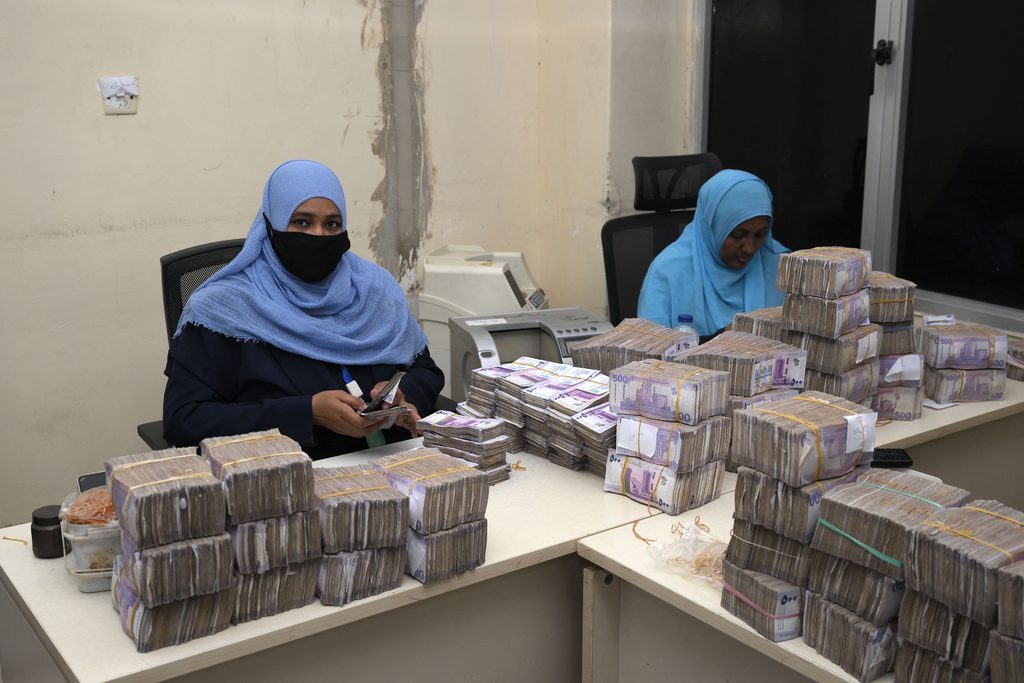
Electronic clearing allows banks to exchange and settle cheque payments through a shared financial system, reducing the need for physical transactions and potentially accelerating the movement of funds.
Banks warned over liquidity
The central bank instructed commercial banks to maintain sufficient liquidity to meet obligations arising from the expanded clearing arrangements.
It warned that senior banking executives could face administrative and financial penalties if their institutions failed to maintain adequate balances to cover payments.
The warning reflects concerns about financial stability as Sudan’s banking sector attempts to recover from extensive disruption.
The war has severely affected banking infrastructure, commercial activity and access to financial services across the country.
Many Sudanese households and businesses continue to experience difficulties accessing cash, transferring funds and conducting routine financial transactions.
Economy remains under pressure
The measures come as Sudan faces persistent inflation, rising commodity prices and a weakening national currency.
Fuel shortages and disruptions to transportation, electricity and supply chains have further increased pressure on businesses and households.
The SAF government’s attempts to restore economic activity have been complicated by the destruction of infrastructure and the fragmentation of commercial networks during the conflict.
Although the removal of cheque limits could make banking transactions easier for businesses and customers, the decision does not itself resolve shortages of physical currency or the wider economic crisis.
The effectiveness of the reforms will depend partly on whether commercial banks can maintain sufficient liquidity and restore public confidence in the financial system.
For the central bank, the latest measures form part of a broader effort to rebuild essential financial services while Sudan continues to confront the economic consequences of more than three years of war.