Chad has tightened security along its border with Niger amid concerns over a potential influx of thousands of ethnic Mahamid Arabs facing expulsion by authorities in Niamey before the end of the year.
Chadian authorities have rejected the automatic admission of members of the Mahamid community, insisting that individuals threatened with deportation from neighbouring Niger must have their nationality verified on a case-by-case basis.
A Chadian source told Erem News that N’Djamena would not automatically recognise the group as Chadian citizens solely because of their ethnic origins.
The uncertainty has deepened because Nigerien authorities have not identified a specific destination for those ordered to leave, raising concerns about a possible humanitarian and diplomatic crisis along the two countries’ shared border.
Decades of settlement in Niger
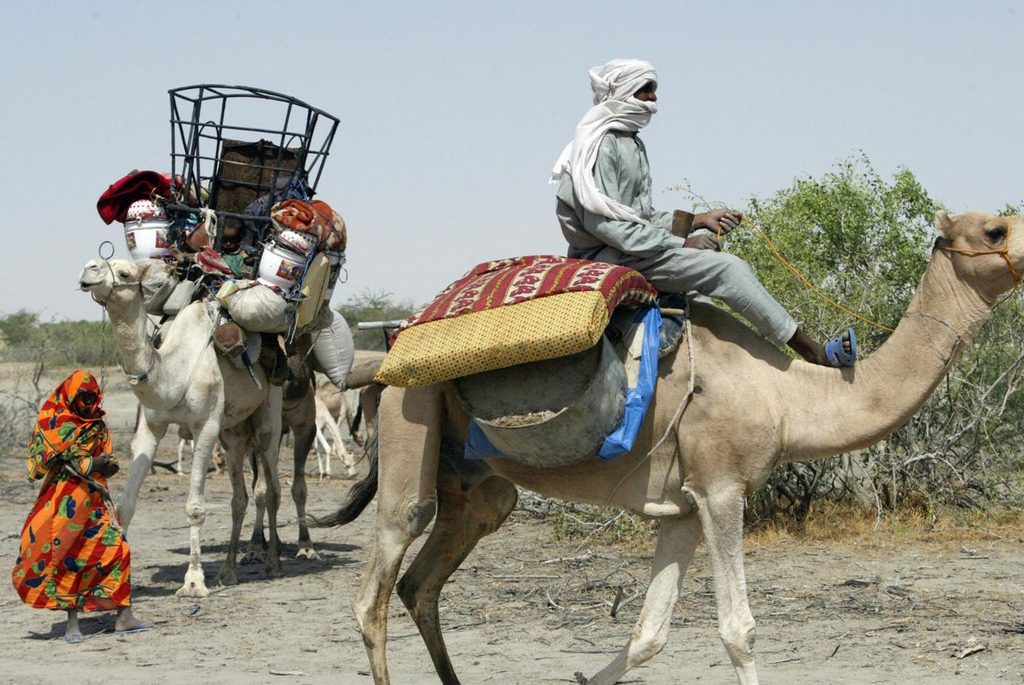
Thousands of Mahamid Arabs live in Niger, particularly in the southeastern Diffa region, where many families have been established for generations.
The community traces part of its migration history to Chad and Sudan, with significant numbers arriving in Niger during the 1970s.
Nigerien authorities have justified the planned expulsions by citing alleged security concerns, including suspicions that some members of the community maintain links to Boko Haram militants operating around the Lake Chad basin.
However, the allegations have not been substantiated against the community as a whole.
Reports have also emerged of administrative restrictions targeting Mahamid residents, including the withdrawal of identity documents and the closure of schools serving their communities.
Chad has urged Niger to address individual security allegations through its judicial system rather than pursue collective expulsions.
The dispute is further complicated by the uncertain legal status of thousands of Mahamid residents who reportedly lack valid residence permits or recognised nationality documents.
Niger sets year-end departure deadline
Nigerien authorities have given members of the Mahamid community less than two months to leave the country, with the deadline set for the end of December.
Diffa Governor Mamoudou Bounkano Abdou Salam announced the decision during a meeting with traditional leaders in the town of Chetimari, according to Niger’s official news agency.
He said the directive had been issued by the country’s highest authorities and instructed community leaders to communicate the decision to their members and ensure compliance.
The dispute over the Mahamid community’s nationality is longstanding.
Although many families have lived in Niger for decades, questions surrounding citizenship and identity documentation have repeatedly brought them into conflict with the authorities.
Previous government measures targeting the community have prompted concerns among human rights organisations about discrimination, statelessness and the possibility of mass deportations.
Restrictions intensified throughout 2026
The latest developments follow months of increasing administrative pressure on Mahamid communities.
In April, Niger’s Interior Ministry reportedly instructed the governors of Diffa and Zinder to identify Mahamid residents, withdraw identity cards and passports, and organise their return to their countries of origin.
The ministry cited what it described as serious security consequences arising from the community’s irregular presence.
In October, authorities reportedly closed schools and drinking-water wells established by the government and used primarily by Mahamid residents.
Officials justified the closures by arguing that the facilities disproportionately benefited the community at the expense of other local populations.
The restrictions raised concerns about access to essential services, particularly for children and families living in remote areas of southeastern Niger.
On November 6, the African Commission on Human and Peoples’ Rights issued an urgent appeal to Niger’s President Abdourahamane Tiani over restrictions affecting the community.
The commission raised concerns about access to drinking water, education, healthcare and identity documents.
Previous expulsion attempt
The current crisis has revived memories of a similar campaign approximately two decades ago under former Nigerien President Mamadou Tandja.
At the time, authorities began proceedings to expel tens of thousands of Mahamid Arabs to Chad.
The government accused members of the community of possessing illegal weapons, damaging natural resources in Diffa and creating tensions with local populations.
The measures triggered protests from Arab members of Niger’s parliament, who called for intervention by the United Nations and the African Union.
The international pressure ultimately contributed to the termination of the expulsion campaign.
Human rights advocates have warned that renewed collective measures could expose longstanding residents, including families born in Niger, to displacement and uncertainty over their legal status.
More than 1,100 reportedly enter Chad
Despite N’Djamena’s tightened border controls, reports indicate that members of the Mahamid community have already begun crossing into Chad.
Chadian media reported Friday that more than 1,140 Mahamid Arabs arrived in the country between November 6 and November 19.
Others were reportedly continuing to cross through Daboua in Chad’s Lac province, near the frontier with Niger.
The reported arrivals suggest that the planned expulsions could place additional pressure on communities and authorities in the Lake Chad region.
For Chad, the situation presents both a border-security challenge and a potential humanitarian burden as it seeks to determine the nationality and legal status of those arriving from Niger.
With Niger’s year-end deadline approaching, the absence of a bilateral agreement on the community’s status threatens to deepen tensions between Niamey and N’Djamena.
Neither country has announced a comprehensive arrangement addressing the possible displacement of thousands of Mahamid residents.