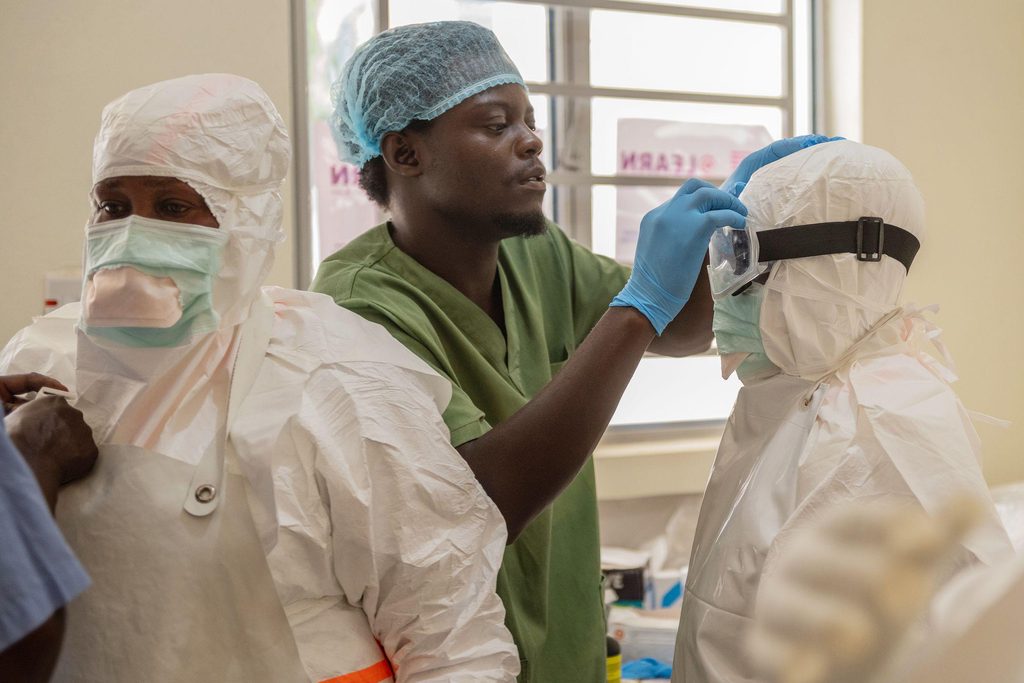
The Ebola outbreak in the Democratic Republic of the Congo has spread to 63 health zones across seven provinces, with the World Health Organization (WHO) reporting infections in two additional areas as authorities struggle to contain the deadly disease.
The newly affected areas are Bulu in northwestern Sud-Ubangi province and Dungu in Haut-Uele province, near the border with South Sudan. Their inclusion highlights the outbreak’s expanding geographical reach and the threat of further transmission near international borders.
According to WHO figures released on Friday, the outbreak had caused 7,890 confirmed infections and 3,799 deaths as of September 23, representing a case fatality rate of 48.1%. The agency said 1,966 patients had recovered.
WHO Director-General Tedros Adhanom Ghebreyesus warned that continuing conflict and population displacement were severely undermining efforts to control the outbreak, particularly in areas where insecurity prevents health workers from reaching affected communities.
He said restricted access was complicating contact tracing, while overcrowding and the movement of displaced populations were increasing the risk of transmission.
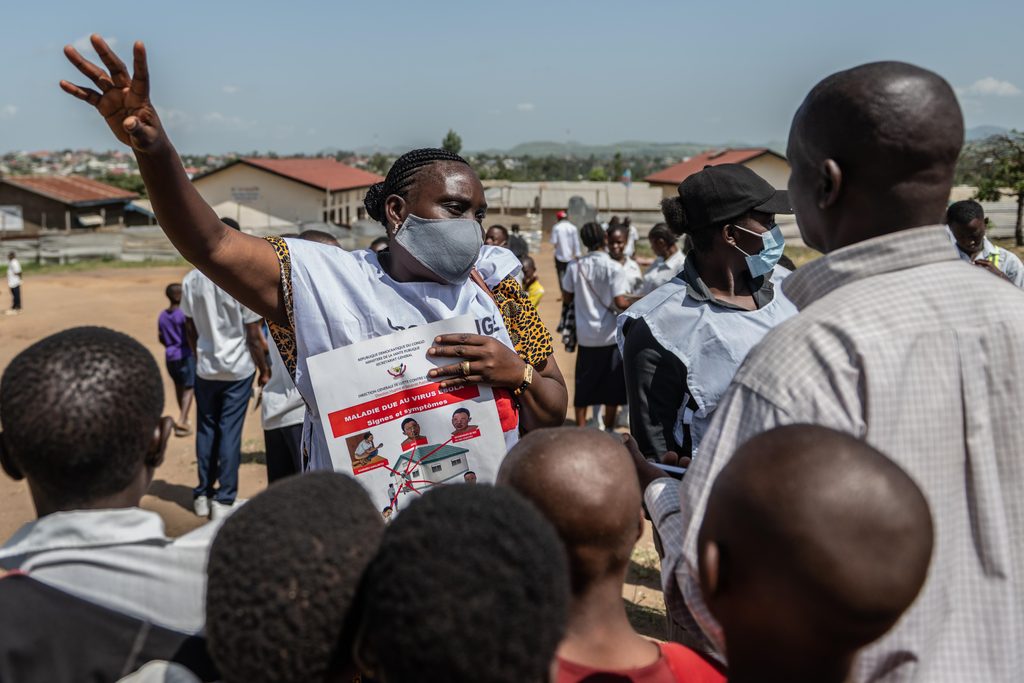
Despite the geographical expansion, Tedros said the overall number of new infections was declining, with improvements in contact tracing, safe burials and community engagement. However, transmission remained uneven, with some areas continuing to experience substantial numbers of new cases.
The WHO said Ituri province remained the outbreak’s epicentre, accounting for 6,032 confirmed infections, while neighbouring North Kivu had recorded 1,480 cases. North Kivu also had the highest reported case fatality rate, at 59.7%.
Efforts to contain the disease are further complicated by the absence of approved vaccines and specific treatments for the Bundibugyo strain of Ebola.
Tedros said the lack of established medical countermeasures could discourage patients from seeking treatment, adding that the WHO was working to accelerate clinical trials of potential vaccines and therapies.
The outbreak has become the largest Ebola epidemic ever recorded in Congo, according to the WHO, which has assessed the risk within the country as very high and the risk to neighbouring countries as high.
Tedros also urged governments to strengthen their preparedness for future global health emergencies, warning that respiratory pathogens could trigger another pandemic.
He defended the WHO Pandemic Agreement, adopted by the World Health Assembly in May 2025, against claims that it would transfer national sovereignty to the organisation, saying such allegations were false.