Internet and telephone services have been disrupted across parts of Ethiopia’s northern Tigray region following renewed fighting between regional forces and the federal army, raising fears of a deepening humanitarian crisis.
State-owned telecommunications provider Ethio Telecom has reportedly suffered a complete service outage in affected areas, while services operated by its smaller private rival, Safaricom, remain available.
Internet monitoring organisation NetBlocks reported that network data indicated a regional internet shutdown in northern Tigray, as clashes that erupted on Wednesday continued to fuel uncertainty.
Duke Burbridge, an American humanitarian worker based in Tigray’s regional capital, Mekelle, told the BBC that telecommunications services had gone down overnight.
The disruption threatens to worsen an already severe cash shortage in the region, where residents have struggled to access money through ATMs for approximately eight months.
Many households and businesses depend on mobile banking applications and digital payments, making the loss of telecommunications services particularly damaging to everyday economic activity.
Burbridge warned that the latest outage would have devastating consequences for residents already struggling with limited access to cash.
The BBC said it had contacted Ethiopian authorities for comment on the disruption.
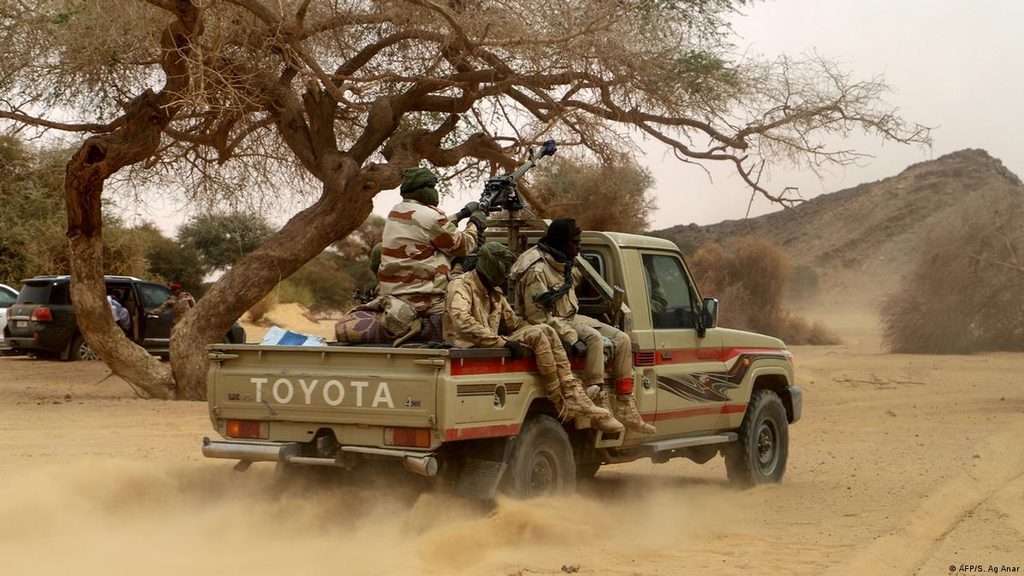
The telecommunications problems follow renewed clashes between Tigrayan forces and their allies and Ethiopia’s federal military, which broke out on Wednesday, prompting heightened tensions and reports of panic buying.
The latest fighting has raised concerns about the durability of the peace agreement that ended the devastating two-year war in northern Ethiopia in November 2022.
During that conflict, Tigray was largely isolated from the outside world after telecommunications and other essential services were cut off.
Severe restrictions on access to cash, food and medicine compounded the humanitarian emergency, leaving hundreds of thousands of people facing famine-like conditions.
The renewed communications disruption has revived fears that civilians could once again find themselves isolated as fighting spreads across the region.