Ethiopia on Monday reaffirmed what it described as its legitimate interests in the Red Sea and the Nile basin, warning that political pressure, proxy actions and other “coercive measures” would not alter the country’s geographic position or regional role.
The Foreign Ministry said nearly all of the Blue Nile, known in Ethiopia as the Abay River, originates in the Ethiopian highlands and accounts for roughly 85% of the Nile’s total flow.
“Any discussion concerning the utilization and management of the Abay River should be informed by these fundamental realities,” the ministry said in a statement.
Addis Ababa also highlighted Ethiopia’s geographic and historical connection to the Red Sea, noting that its closest border lies around 48 kilometres from the coast.
The ministry said Ethiopia’s interests must be taken into consideration in regional maritime and security arrangements.
“These geographic and historical realities cannot be altered by political rhetoric, coercive measures, or acts of destabilization,” it said.
It added that the use of proxies or acts of aggression would neither change regional realities nor diminish Ethiopia’s “legitimate interests, role, and responsibilities.”
The statement came a day after Egyptian President Abdel Fattah El-Sisi hosted Eritrean President Isaias Afwerki, Somali President Hassan Sheikh Mohamud and Sudanese army chief Abdel Fattah al-Burhan for a quadrilateral summit in Egypt.
The four leaders reaffirmed support for sovereignty and territorial integrity and rejected unilateral actions that could affect Egypt and Sudan’s existing use of Nile waters.
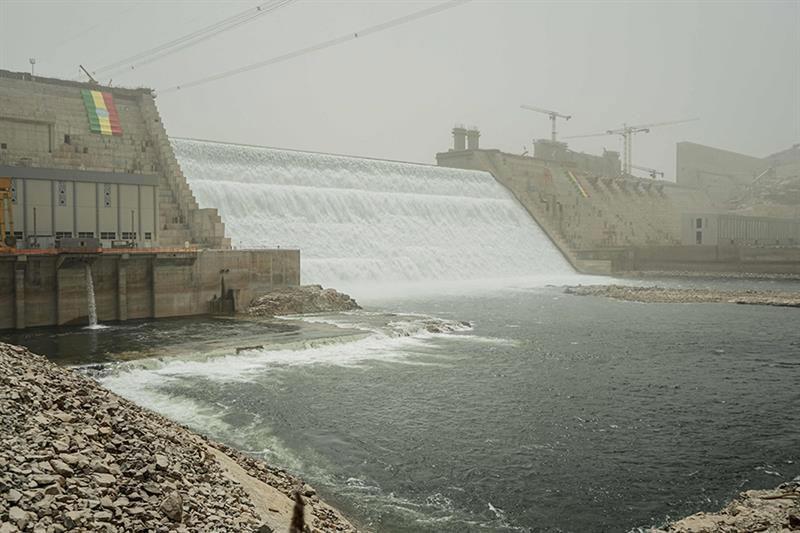
Ethiopia did not directly refer to Sunday’s summit or to the Grand Ethiopian Renaissance Dam, which has remained at the centre of a long-running dispute between Addis Ababa, Cairo and army-aligned authorities in Sudan over Nile water management.
The Foreign Ministry said Ethiopia remained committed to peaceful engagement, mutual respect and regional cooperation, while insisting that it would protect its sovereignty, territorial integrity and core national interests.
It urged neighbouring states to pursue “constructive dialogue, partnership, and adherence to the principles of good neighborliness rather than confrontation and zero-sum approaches.”