INTERPOL has identified 126 suspected foreign terrorist fighters after using artificial intelligence to analyse more than 100,000 facial images in a multinational counter-terrorism operation conducted in Tunisia.
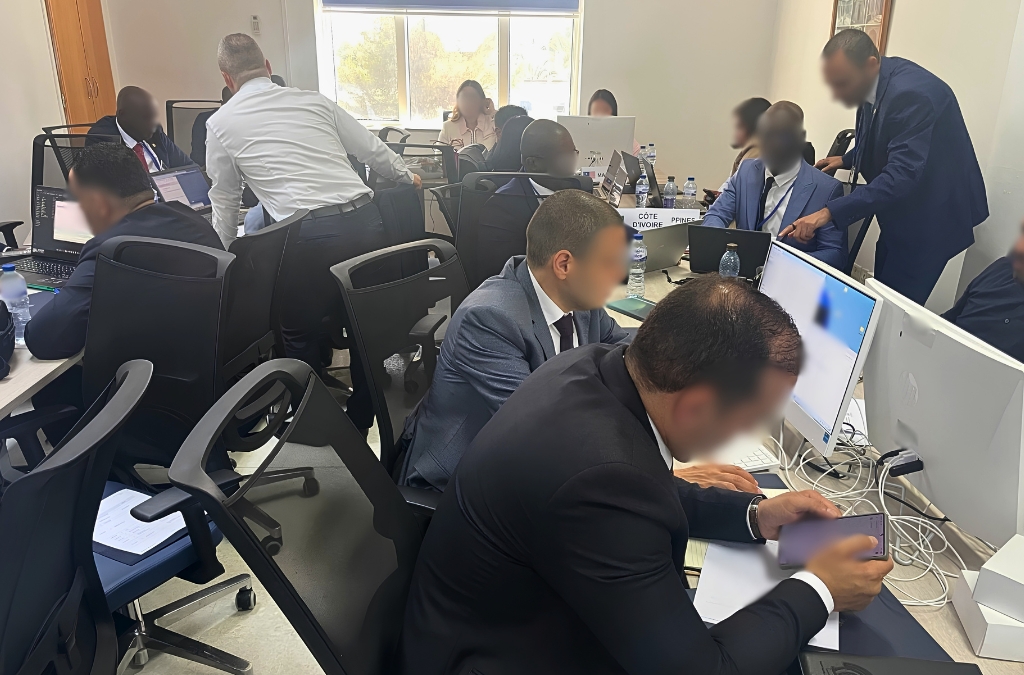
Operation Shams II, described by the international police organisation as the first of its kind, brought together 28 specialised officers and experts from 11 countries for five days of coordinated work in Tunis from June 1 to 5.
The participating countries were Tunisia, Iraq, Qatar, Côte d’Ivoire, Ghana, Kenya, Malaysia, Nigeria, the Philippines, Tajikistan and Uzbekistan.
The operation focused on identifying members of terrorist networks appearing in photographs and videos distributed online by jihadist groups.
Investigators extracted 108,076 facial images from the material before using programmed AI agents and advanced AI-generated scripts to remove duplicate images and assess their quality.
The process reduced the dataset to 6,362 unique, high-quality facial images, which were then processed through INTERPOL’s Facial Recognition System.
INTERPOL stressed that artificial intelligence was used to assist investigators rather than make final identifications independently. Results generated by the technology were reviewed and verified by trained officers and intelligence analysts under the organisation’s data-processing rules.
The operation has so far led investigators to identify 126 suspected foreign terrorist fighters.
INTERPOL said information obtained from the matches, including possible locations and social networks connected to the suspects, is being added to its international databases to help authorities detect and track their movements.
Thousands of images remain to be analysed, meaning further suspects could still be identified.
Iraqi intelligence supports operation
INTERPOL’s National Central Bureau in Baghdad also provided investigators with a large intelligence dataset on terrorism suspects, including hundreds of additional photographs.
Information uncovered during Shams II is already supporting judicial proceedings in several participating countries, including an investigation involving two suspected foreign terrorist fighters who are currently in detention.
Cryptocurrency flows targeted
Investigators also used cryptocurrency-tracking tools in an effort to identify financial networks linked to terrorist organisations.
The findings prompted INTERPOL to issue three urgent requests to a virtual asset service provider seeking customer information linked to suspected terrorist financing flows.
Authorities hope the financial data will help identify individuals and accounts involved in moving money for extremist networks.
The operation also brought law-enforcement officials together with representatives from the online gaming industry to discuss the exploitation of digital platforms for recruitment and the radicalisation of young people.
Officials explored ways to improve information sharing between gaming companies and security agencies and strengthen early-warning mechanisms for suspicious activity.
INTERPOL Counter-Terrorism Director María Carmen Muñoz González said the operation demonstrated how international police cooperation could be combined with responsible AI-assisted analysis to tackle transnational criminal and terrorist networks.
Operation Shams II was carried out under the EU-funded CT TECH+ project with support from the United Nations Office of Counter-Terrorism.