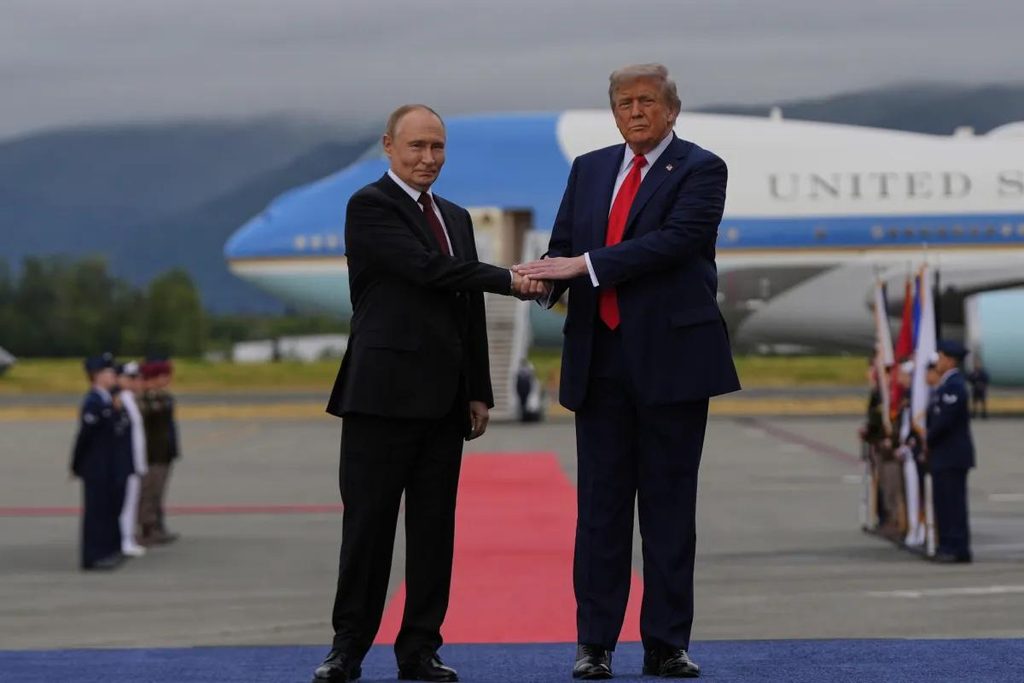
Russian President Vladimir Putin said on Friday that Moscow was prepared to supply oil and petroleum products to the United States and international markets, following an agreement with US President Donald Trump aimed at easing pressure on global fuel supplies.
The Kremlin said Putin believed additional Russian energy exports could support the wider global economy as governments grapple with elevated fuel prices and disruptions to international energy markets.
The announcement followed a telephone conversation between the two presidents, during which Trump said Russia had agreed to immediately release more than 300,000 tons of diesel fuel to American and global markets.
Trump also outlined plans for an additional 500,000 tons in November and another one million tons thereafter, with further supplies dependent on the condition of Russian refineries.
The agreement represents a significant shift in Washington’s energy policy towards Moscow, which has faced extensive Western sanctions over its war in Ukraine.
The US Treasury has issued a temporary authorisation easing restrictions on Russian diesel sales, opening the door to renewed energy trade between the two countries.
According to the Kremlin, Putin and Trump also discussed possible approaches to resolving the conflict in Ukraine and developments involving Iran, as diplomatic efforts continue against a backdrop of heightened international tensions.
The agreement comes as energy markets face supply constraints linked to the conflict involving Iran, disruptions to oil shipments and Ukrainian attacks on Russian refining infrastructure.
Trump has presented additional Russian diesel shipments as part of his administration’s efforts to reduce fuel costs for American consumers and businesses.
However, energy analysts have questioned whether the proposed volumes will substantially affect prices, citing refinery constraints and the scale of global diesel demand.
Ukrainian President Volodymyr Zelenskyy sharply criticised the arrangement, warning that renewed purchases of Russian petroleum products could provide Moscow with additional revenue to finance its military operations.
Zelenskyy described the decision as an investment in prolonging the conflict rather than securing peace, arguing that economic concessions to Russia would undermine international efforts to bring the war to an end.
He reiterated that Kyiv remained prepared to pursue reciprocal steps towards de-escalation but insisted that any diplomatic settlement must involve meaningful commitments from Moscow.
The Ukrainian leader also called for continued American support in protecting Ukrainian civilians and achieving a negotiated settlement.
The latest developments highlight the competing priorities facing Washington as it seeks to stabilise energy prices while maintaining diplomatic pressure on Russia over Ukraine.
Although Moscow has signalled its willingness to increase exports, the longer-term impact of the agreement on energy markets and negotiations over Ukraine remains uncertain.