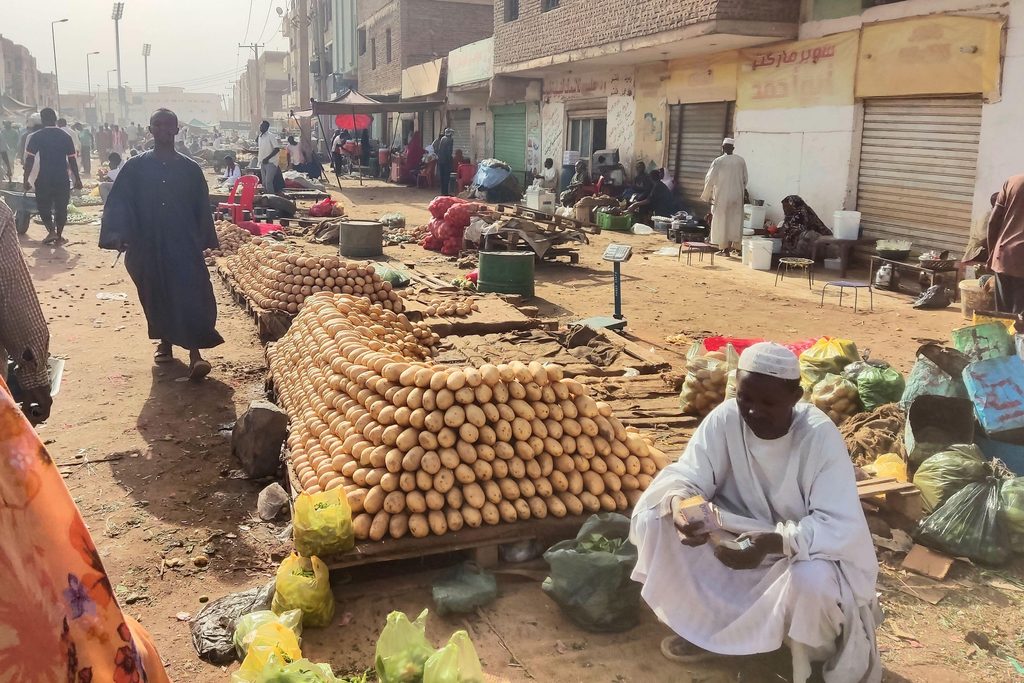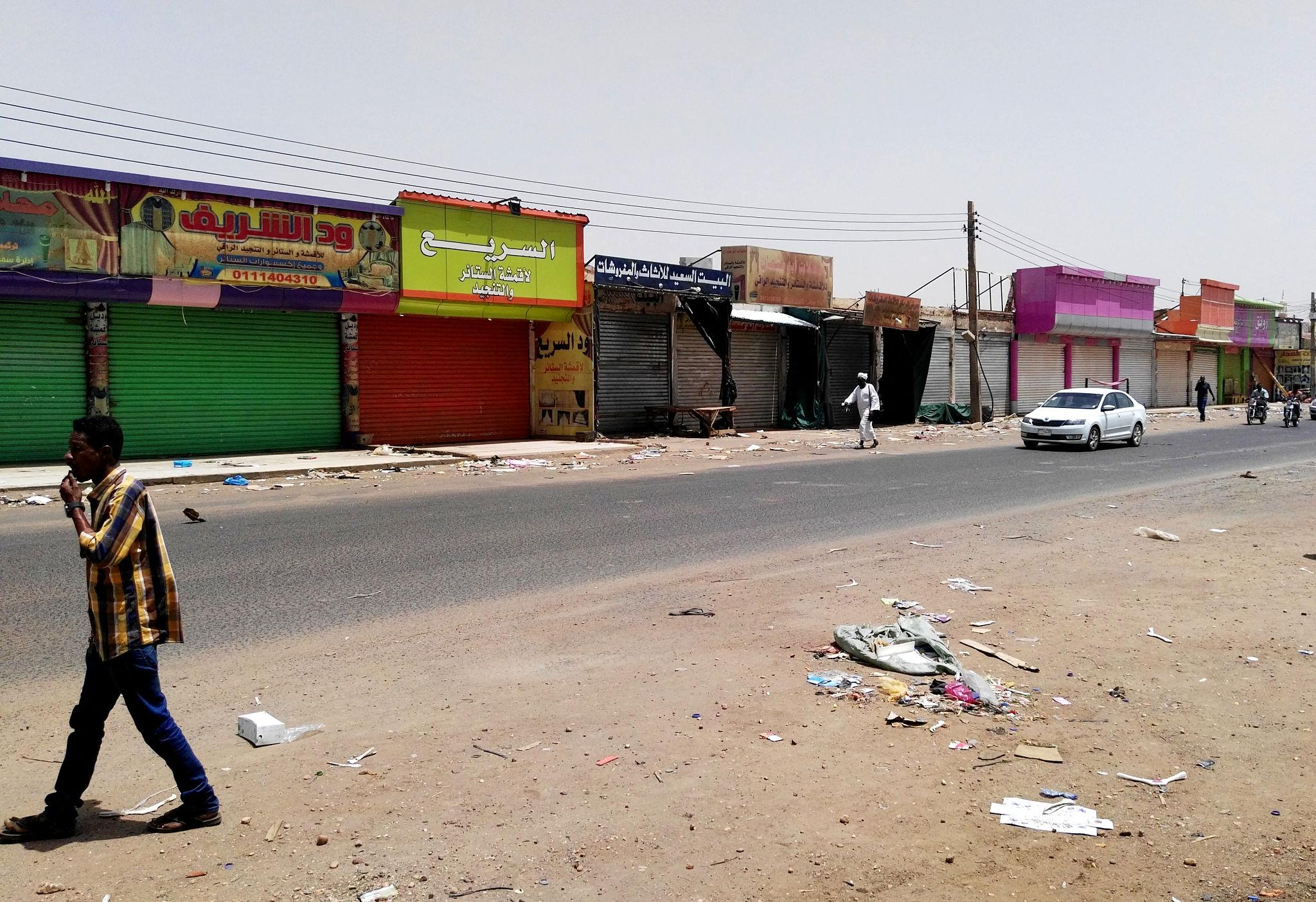
Sudan’s worsening currency crisis has forced around three-quarters of shops in Al-Duweim, White Nile State, to close as rapidly changing exchange rates send the cost of basic goods soaring, according to traders.
A merchant in Al-Duweim said businesses were increasingly unable to set reliable selling prices as the Sudanese pound continued to lose value against foreign currencies.
He said around 90% of wholesale traders in Omdurman had also temporarily closed their shops because of extreme price volatility and uncertainty over the cost of replacing stock.
The price of a 50-kilogram sack of sugar in Omdurman rose from 350,000 Sudanese pounds to 420,000 pounds, while the same quantity was selling for around 440,000 pounds in White Nile State.
A 25-kilogram sack of flour climbed from 100,000 pounds to 125,000 pounds in a single day, while a sack of powdered milk rose from 1.15 million pounds to 1.4 million pounds.
A carton of sunflower oil jumped by 100,000 pounds from 220,000 to 320,000 pounds, while onions rose from 180,000 to 230,000 pounds.
The trader described market conditions as increasingly chaotic, with prices changing repeatedly and businesses unable to determine how much they should charge customers.
Branches of several flour and dairy companies in White Nile State have also closed to customers, according to the report, contributing to the shutdown of retail shops dependent on their supplies.
Dollar reportedly reaches 8,600 pounds
Traders linked the surge in prices primarily to the collapse of the Sudanese pound, saying the US dollar was trading at between 8,300 and 8,500 pounds and had reached around 8,600 pounds in some transactions.
Another Al-Duweim trader said currency volatility was the largest driver of the crisis and criticised attempts to control the exchange rate through arrests of currency dealers and brokers.
He argued that economic policies addressing the causes of the pound’s decline were needed instead of security measures against traders.
Businesses also blamed the increasing burden of taxes, zakat payments, municipal levies and other charges imposed at different stages of transporting and selling goods.
One trader said shipments entering Al-Duweim could face charges near the city bridge before being assessed again after reaching warehouses, adding significantly to the final price paid by consumers.
He described some tax assessments as “astronomical,” saying merchants ultimately pass the additional costs on to customers.
Fuel prices and transportation expenses were cited as a third major pressure, with traders saying fluctuating fuel costs and repeated fees imposed on trucks moving between cities were sharply increasing distribution costs.
The latest disruption comes amid a broader collapse in the Sudanese pound that has already forced businesses in Khartoum and other cities to suspend sales as merchants struggle to price goods or protect their working capital.
Traders warned that without measures to stabilise the currency and reduce production, transport and commercial costs, market disruption and price increases were likely to deepen.