Sudan’s currency has collapsed to unprecedented levels on the parallel market, with the Sudanese pound breaching 4,000 per US dollar and reaching as high as 4,200 in some transactions on Saturday, traders said.
The sharp decline marks one of the fastest deteriorations in recent months, with the pound losing around 500 units in just two weeks, raising alarm among businesses and economists over a potential loss of control in the market.
Before the outbreak of war on April 15, 2023, the exchange rate hovered between 450 and 500 pounds per dollar. Since then, the currency has suffered repeated declines as the conflict continues to disrupt the economy.
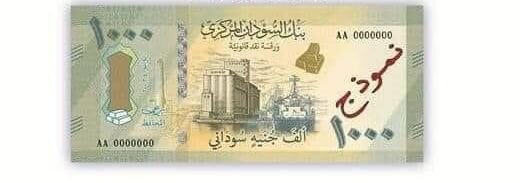
Analysts say the crisis has been exacerbated by the printing of new currency notes by one of the warring parties, further undermining confidence in the pound.
Economic analyst Ahmed bin Omar linked the decline partly to volatility in gold prices — Sudan’s primary export — which he said has been affected by geopolitical tensions in the Middle East and instability around the Strait of Hormuz.
He added that export revenues from gold are increasingly being used to finance imports directly, without returning hard currency through official banking channels. This has distorted liquidity and pushed foreign exchange further outside the formal financial system.
Another analyst, Hossam al-Din Ismail, said short-term fixes would fail unless Sudan boosts exports, warning that any solutions not tied to production growth would remain “temporary bubbles.”
He noted that seasonal demand — including Hajj-related expenses and profit repatriation by major companies — is placing additional pressure on the already fragile currency.
Meanwhile, analyst Wael Fahmi criticized the lack of oversight in the parallel market, saying large volumes of cash circulating outside the banking system have given traders unchecked power to set exchange rates, despite a currency replacement initiative launched in 2025.
He warned that printing money without real backing, combined with heavy taxation policies imposed during wartime, is worsening the crisis and eroding citizens’ purchasing power, calling for structural solutions to address the economic fallout of the conflict.