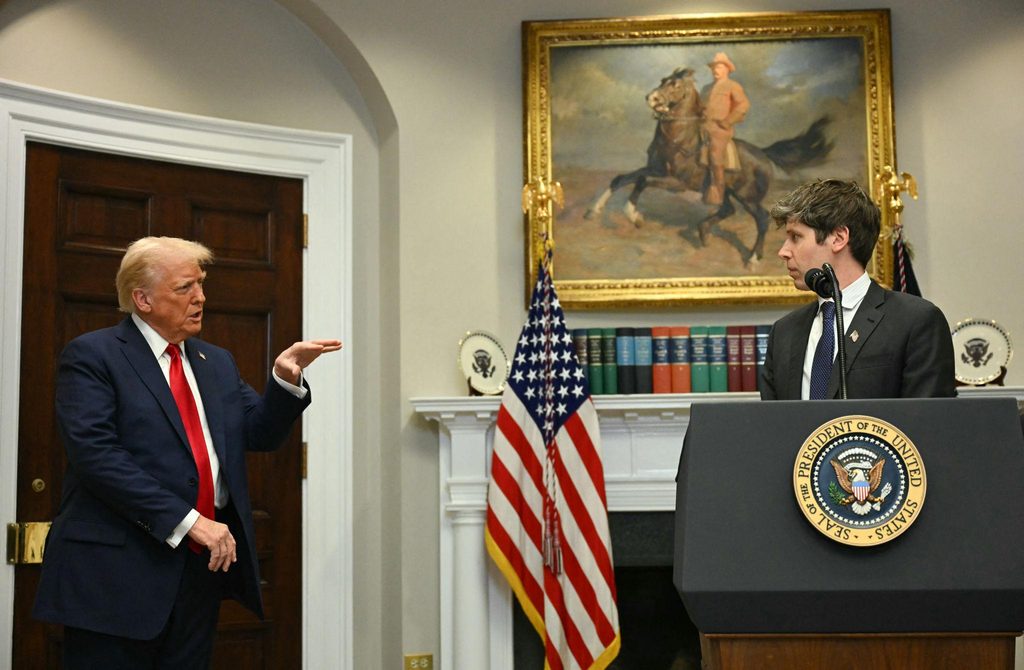
US Vice President JD Vance said on Wednesday that the conflict between the United States and Iran would enter a “completely different phase” within two months, adding that he agreed with President Donald Trump that the war would end shortly after the US midterm elections.
Speaking to The Post, Vance said Iran would continue losing control over the Strait of Hormuz until the elections, while traffic through the vital global energy chokepoint had recovered to more than 50% of normal levels.
Vance acknowledged that the course of the conflict remained unpredictable but said Trump was right to suggest that conditions would look dramatically different within two months.
“The president, as commander-in-chief, decides when conflicts begin and when they end,” Vance said.
He added that he understood concerns among Americans who believed Washington had moved too quickly, but insisted the United States was not engaged in offensive operations.
According to Vance, the next phase of US strategy would focus on preventing Iran from rebuilding its military capabilities while seeking to preserve as much global stability as possible.
“I think the war will end directly after the elections because they won’t be able to hold out much longer,” he said.
Shipping data cited in the report showed that only 11 commercial vessels crossed the Strait of Hormuz over the previous 24 hours, compared with an average of about 130 vessels per day before the war.
The United States has also reportedly spent months quietly escorting commercial oil tankers through the waterway, with some vessels switching off their transponders to reduce the risk of Iranian attacks. Such operations are difficult to track using publicly available shipping data.
Nearly 20% of the world’s seaborne oil trade passes through the Strait of Hormuz, making continued disruption there a major concern for global energy markets.
The United States has significantly weakened much of Iran’s missile and drone capability during months of fighting, although Tehran continues to carry out intermittent attacks against commercial shipping in and around the strait.