Kurdish leaders unite as Baghdad moves to reclaim state authority
Kurdish rivals unite against Baghdad as Iraq’s federal crackdown raises fears of confrontation
Iraq’s two dominant Kurdish political parties have moved to forge a united front against the federal government, raising the stakes in an escalating confrontation over Baghdad’s efforts to reclaim control of oil fields, international border crossings and key security responsibilities.
Senior leaders of the Kurdistan Democratic Party (KDP) and the Patriotic Union of Kurdistan (PUK) gathered in Sulaymaniyah on Saturday, setting aside mounting internal rivalries as Iraqi Prime Minister Ali al-Zaidi, backed by US President Donald Trump, presses ahead with efforts to consolidate federal authority.
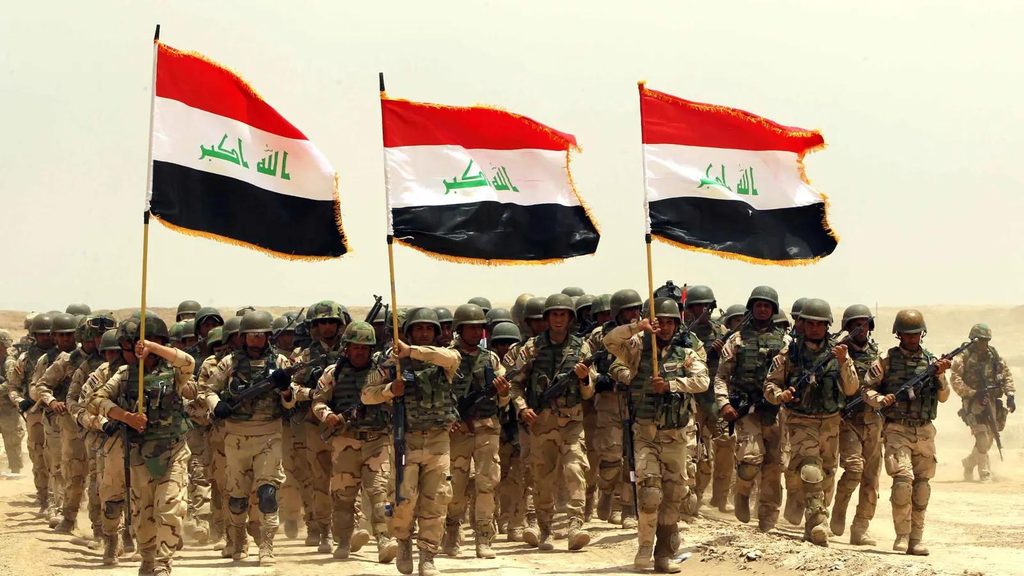
The emergency in relations between Erbil and Baghdad comes amid a Federal Supreme Court ruling authorising the deployment of Iraqi federal forces along the country’s international borders, including those administered by the Kurdistan Regional Government (KRG).
The high-level meeting brought together Kurdistan Region President Nechirvan Barzani, regional Prime Minister Masrour Barzani, PUK leader Bafel Talabani and Deputy Prime Minister Qubad Talabani at the PUK’s political bureau headquarters.
The gathering marks a significant shift in Kurdish politics, with two rival parties that were recently embroiled in a bitter power struggle now seeking to coordinate their opposition to Baghdad.
On November 24, Zaidi issued sweeping orders directing federal authorities to assume control of Kurdish-administered border crossings and placing several oil fields controlled by Kurdish security forces under federal management.
The measures also restrict independent oil exports without authorisation from Iraq’s federal Oil Ministry, challenging the economic arrangements that have underpinned Kurdish autonomy for years.
Baghdad has justified its intervention as part of a broader campaign against oil smuggling, corruption and fragmented state authority.
An Iraqi government intelligence report alleged that oil was being diverted from Kirkuk and Sulaymaniyah and smuggled into Iran before being transported onward to Afghanistan.
Zaidi subsequently removed several senior security and energy officials as part of the crackdown.
Trump throws support behind Baghdad
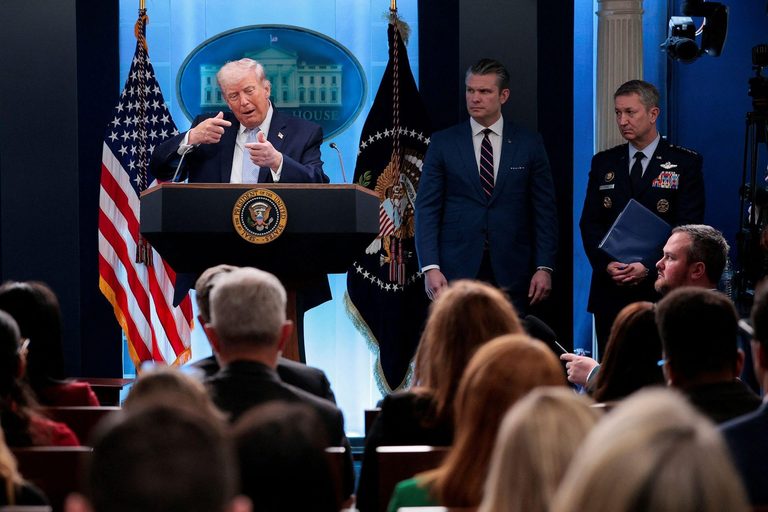
The confrontation took on greater international significance on Friday when Trump publicly endorsed Zaidi’s efforts to strengthen federal authority, combat oil smuggling and bring weapons exclusively under state control.
Washington’s backing strengthens Baghdad’s political position as it seeks to enforce measures fiercely opposed by the Kurdish leadership.
Iraqi authorities have already closed two border crossings in the Kurdistan Region, one with Syria and another with Iran, demonstrating that the federal government has begun implementing its decisions.
Thousands of protesters gathered in Erbil on Thursday to oppose Baghdad’s intervention, while Kurdish media reported that Peshmerga forces had been mobilised in areas bordering disputed provinces.
US envoy Tom Barrack has reportedly sought to mediate between the two sides and urged Baghdad to rule out military options.
Kurdish rivals set aside internal divisions
The Barzani and Talabani leaderships issued a joint statement on November 24 rejecting Baghdad’s unilateral decisions and describing any infringement of the region’s constitutional rights as a red line.
Their renewed cooperation comes just weeks after a political rupture threatened to split the Kurdish regional administration.
The reactivation of the Kurdistan Region’s parliament on November 4 without the PUK’s participation prompted Talabani’s party to withdraw from the regional government and threaten to establish a separate administration in Sulaymaniyah.
Baghdad’s intervention has now given the rival parties a common cause, pushing them towards political cooperation despite their unresolved disputes.
The emerging Kurdish front could complicate Zaidi’s efforts to extend federal authority across northern Iraq, particularly if regional security forces resist the implementation of Baghdad’s decisions.
Iraq faces critical showdown on December 1
Saturday’s meeting comes ahead of a national dialogue scheduled for December 1 in Baghdad, initiated by Supreme Judicial Council President Faiq Zidan.
Control over oil fields, border crossings, security responsibilities and constitutional powers is expected to dominate the negotiations.
The escalating dispute carries echoes of the 2017 crisis, when Iraqi federal forces retook Kirkuk and other disputed territories following the Kurdish independence referendum.
Nearly a decade later, Baghdad and Erbil are once again locked in a confrontation over territory, natural resources and the limits of regional autonomy.
With federal authorities already implementing border restrictions, Kurdish forces reportedly mobilising and Washington backing Baghdad’s drive to consolidate state authority, failure to reach a negotiated settlement could deepen Iraq’s internal security crisis.
No comprehensive agreement emerged immediately from the Sulaymaniyah meeting, and there has been no confirmed order for a federal military offensive against the Kurdish regional administration.
Spotted an error? Contact our corrections desk.