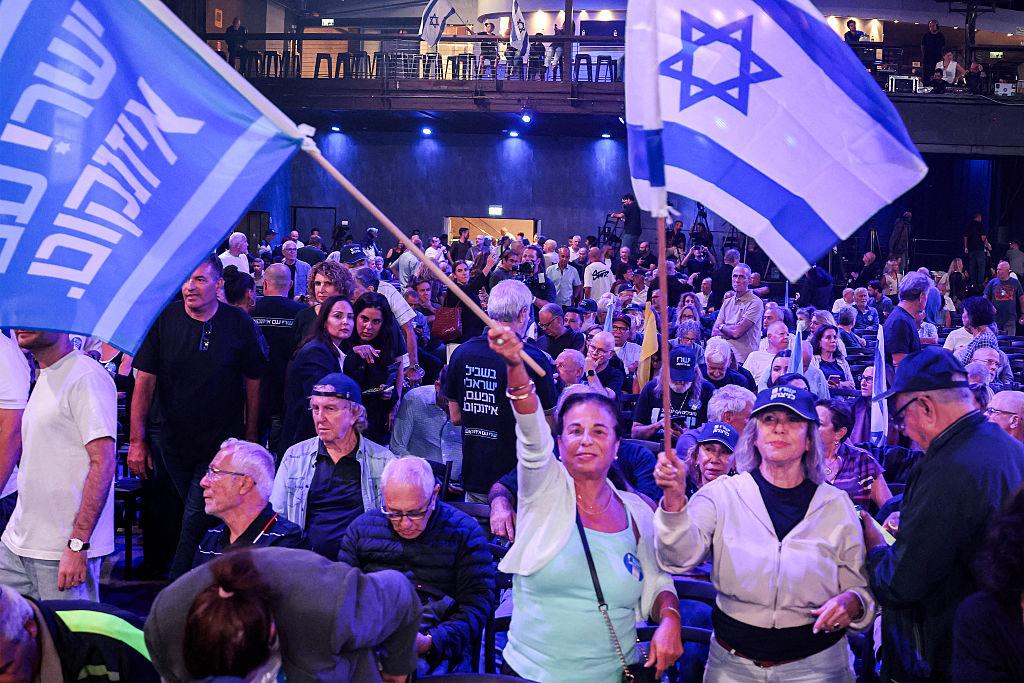
Israeli Prime Minister Benjamin Netanyahu appeared headed for a major electoral setback on Tuesday as updated exit polls showed his ruling alliance losing its parliamentary majority, although neither the government nor the opposition had a clear path to power.
Projections from Israel’s three main broadcasters gave the opposition bloc led by former military chief Gadi Eisenkot between 51 and 52 seats in the 120-member Knesset, compared with 50 to 51 for Netanyahu’s alliance. Arab parties were projected to secure another 18 seats.
The results, if confirmed by the official count, would represent a significant defeat for Netanyahu’s governing coalition. However, with neither major bloc reaching the 61 seats required for a majority, prolonged coalition negotiations could leave Netanyahu in office as caretaker prime minister.
Voter turnout reached 77.7 percent, according to Israel’s Central Elections Committee, the highest participation recorded in more than two decades and approximately seven percentage points above the 2022 election.
Despite Eisenkot’s projected lead, neither major bloc reached the 61 seats required to command a parliamentary majority.
Eisenkot, who leads the centrist Yashar party, has largely ruled out forming a government with Arab parties, potentially complicating efforts to remove Netanyahu from power.
However, the strong showing by Arab political parties could give them a decisive role in determining Israel’s next government, including through possible external support for an opposition-led minority administration.
Projections varied between broadcasters, with the pro-Netanyahu Channel 14 predicting that the prime minister’s alliance could secure as many as 60 seats, leaving it just short of a majority.
Official results are expected in the coming days, after which President Isaac Herzog will consult parliamentary parties before selecting a candidate to attempt to form a government.
Opposition claims major defeat for Netanyahu
Opposition leaders portrayed the projections as a rejection of Netanyahu’s leadership and his coalition’s handling of Israel’s security and political crises.
Yair Lapid, a leading opposition figure, described the results as a devastating defeat for Netanyahu’s political alliance, arguing that voters had delivered a clear demand for change.
Yair Golan, leader of the Democrats party, similarly urged opposition parties to translate the election outcome into a new government.
Yohanan Plesner, president of the Israel Democracy Institute, said the projections represented a significant defeat for Netanyahu’s coalition, potentially reducing its parliamentary representation from 68 seats in the outgoing Knesset to approximately 50.
However, Plesner cautioned that Eisenkot had not secured an outright victory and could face substantial obstacles in forming a government.
He suggested that an opposition-led minority administration might offer a route to removing Netanyahu, even if such a government proved short-lived.
Arab voters emerge as potential kingmakers
The election also saw unusually high participation among Palestinian citizens of Israel, with Arab parties projected to secure a combined 17 to 18 parliamentary seats.
Celebrations erupted at the headquarters of the Joint List in Nazareth as exit polls indicated that Arab political representation could become decisive in the struggle to replace Netanyahu.
Faten Gattas, a Joint List candidate, reaffirmed the alliance’s opposition to Israel’s occupation policies and racial discrimination.
Arab political leaders expressed hope that increased voter participation would help prevent the return of Netanyahu’s far-right coalition.
Nevertheless, Eisenkot’s reluctance to enter a formal coalition with Arab parties leaves uncertainty over whether their electoral gains can translate into influence over the formation of the next government.
Gaza war dominates political landscape
Tuesday’s election was Israel’s first since the Hamas-led attacks of October 7, 2023, which killed approximately 1,200 people and resulted in 251 hostages being taken into Gaza.
The subsequent Israeli military offensive has killed more than 74,000 Palestinians, according to Gaza health authorities, while devastating much of the territory.
The election also followed Israel’s military confrontations with Hezbollah in Lebanon and Iran, conflicts that have reshaped regional security and intensified international scrutiny of Netanyahu’s government.
Netanyahu campaigned on his record of military operations against Hamas, Hezbollah and Iran, arguing that his government had strengthened Israel’s security despite criticism over the intelligence and military failures preceding the October 2023 attacks.
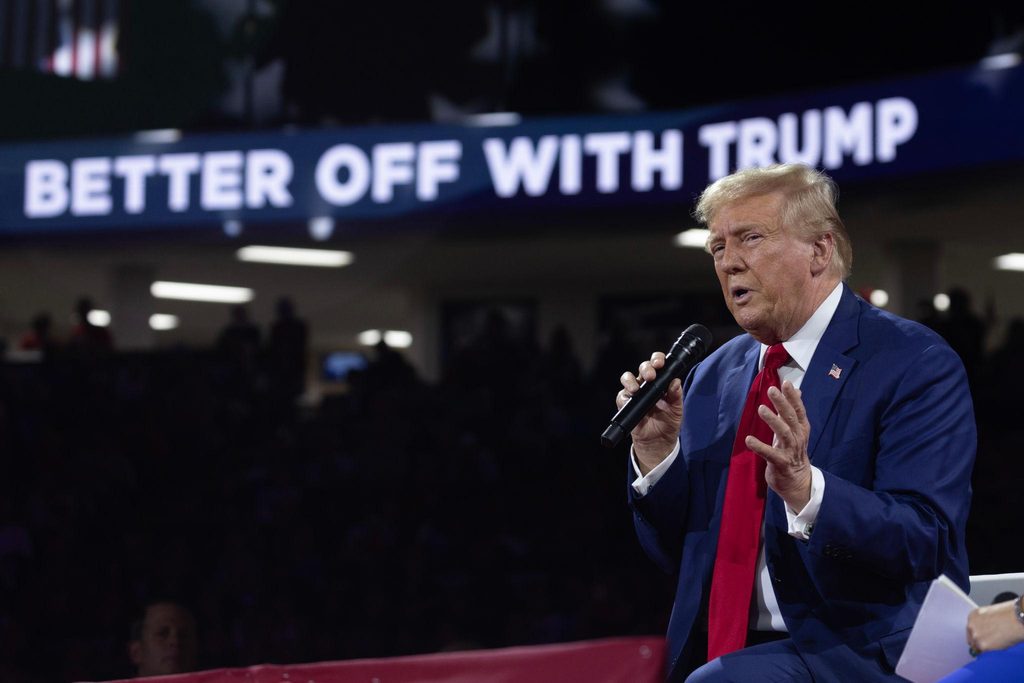
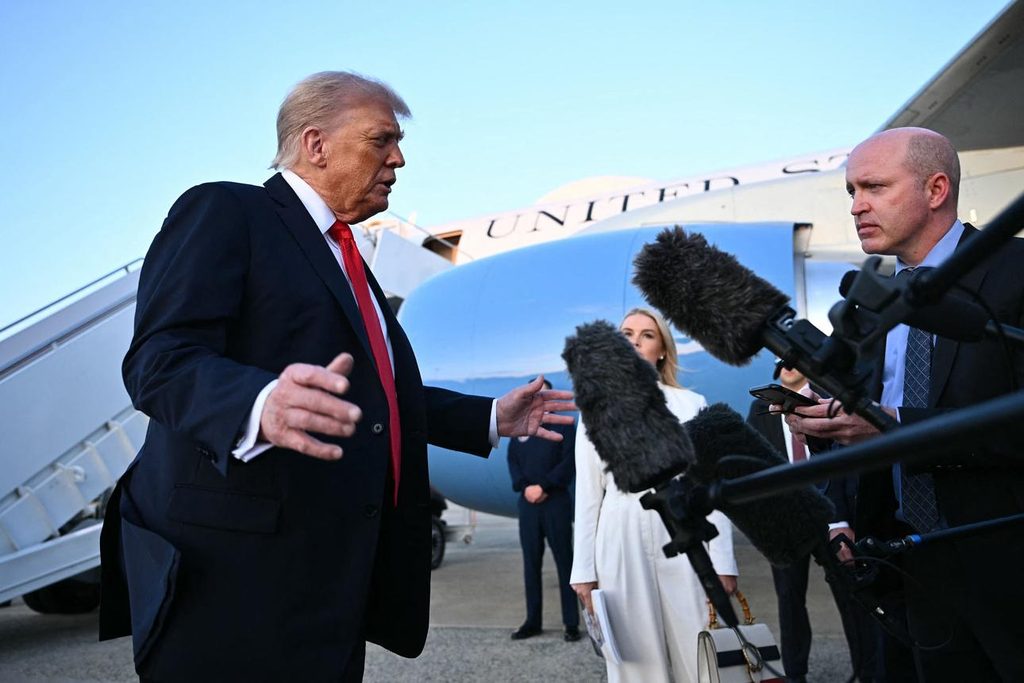
His campaign also highlighted support from US President Donald Trump, who has remained a key international ally.
Eisenkot, 66, a former Israeli military chief who lost a son and two nephews during the Gaza war, positioned himself as an alternative to Netanyahu’s leadership while maintaining a similarly hardline approach to security.
Although he has criticised Netanyahu’s conduct of the Gaza war and questioned its effectiveness, Eisenkot opposes Palestinian statehood and supports dismantling Hamas’ military capabilities.
His political platform therefore offers a potential change in Israel’s leadership without necessarily signalling a fundamental shift in its approach to the Palestinian question.
Coalition uncertainty could prolong Netanyahu’s rule
Netanyahu, who has served as prime minister for nearly 19 of the past three decades, has repeatedly survived political crises and attempts to remove him from office.
He entered the election facing longstanding corruption charges, which he denies, alongside criticism over the October 2023 security failures and the continuing consequences of Israel’s regional wars.
The prime minister’s political survival could now depend on the final distribution of parliamentary seats and the willingness of smaller parties to negotiate with either camp.
If neither Netanyahu nor Eisenkot can assemble a governing majority, Israel could face another prolonged period of political uncertainty or potentially another election.
For now, the exit polls suggest that Netanyahu’s coalition has suffered a substantial loss of support, but whether that translates into a change of government remains unresolved.