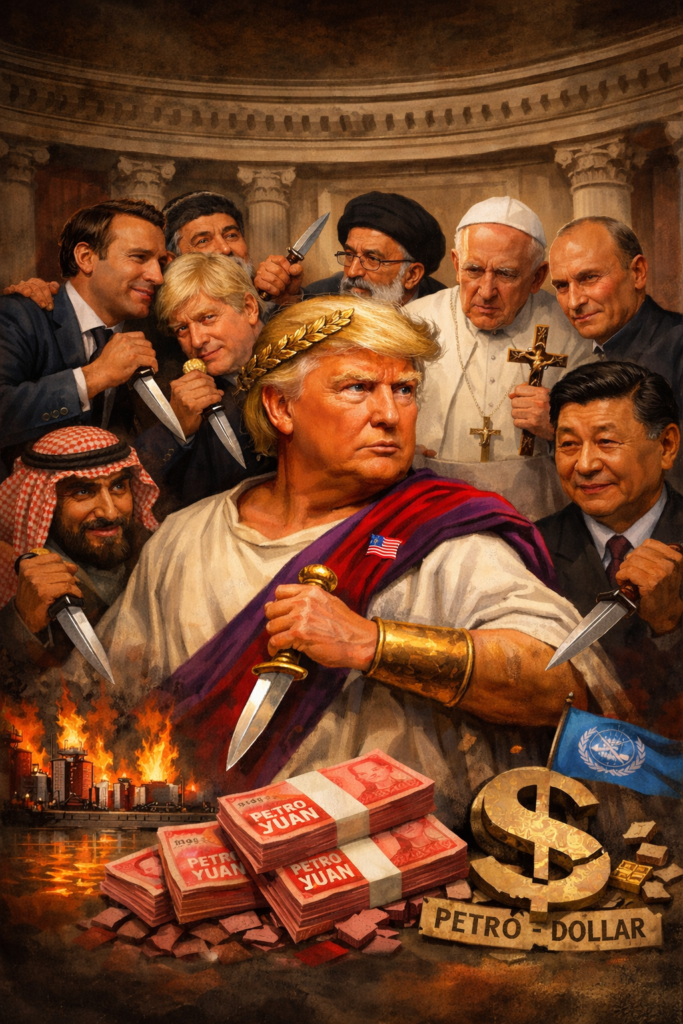
In the final moments before his death, Julius Caesar understood exactly what was happening.
The faces around him were no longer loyal. The room had already turned. The only thing left was the timing.
Washington has now reached that moment.
For two years, during the Gaza war, the signs were there. The United States stood firm, providing military backing, diplomatic cover, and absorbing global pressure while its allies hesitated, criticized, delayed, and distanced themselves.
European capitals issued statements instead of support. Institutions that once aligned reflexively with Washington began carving out moral and political space against it. Even the Vatican stepped into open criticism, reflecting a broader shift in Western political sentiment.
At the United Nations, the pattern became clearer: hesitation, abstention, resistance. Not open rupture, not yet, but something more dangerous.
Erosion.
Still, Washington continued forward, assuming that when it mattered, the alliance system would hold.
That assumption defined the Biden years.
Under Joe Biden, the belief persisted that alliances were fundamentally intact, that disagreements were temporary, that institutional ties would override political divergence, that the post–Cold War order could be managed back into coherence.
It wasn’t.
What appeared as “normal friction” was, in reality, structural drift. Allies were not merely disagreeing, they were repositioning.
And then came the shift, but “Sleepy” Joe never saw it.
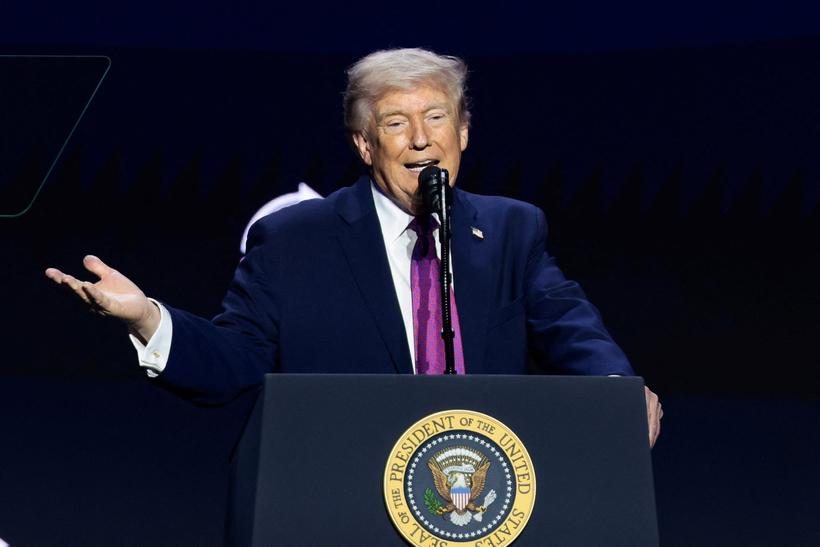
With the return of Donald Trump, the interpretation changed. Where others saw disagreement, Trump saw imbalance. Where others saw diplomacy, he saw leverage being used against Washington.
During Gaza, he saw the hesitation not as nuance, but as distance.
During Iran, that distance became clarity.
What had been ambiguity turned into recognition.
Allies that depended on American security guarantees, bases, missile defense, naval protection, began recalculating in real time. Some distanced themselves from the conflict entirely. Others explored parallel arrangements. European frustration with U.S. policy became openly visible, even as Iran moved to exploit those divisions.
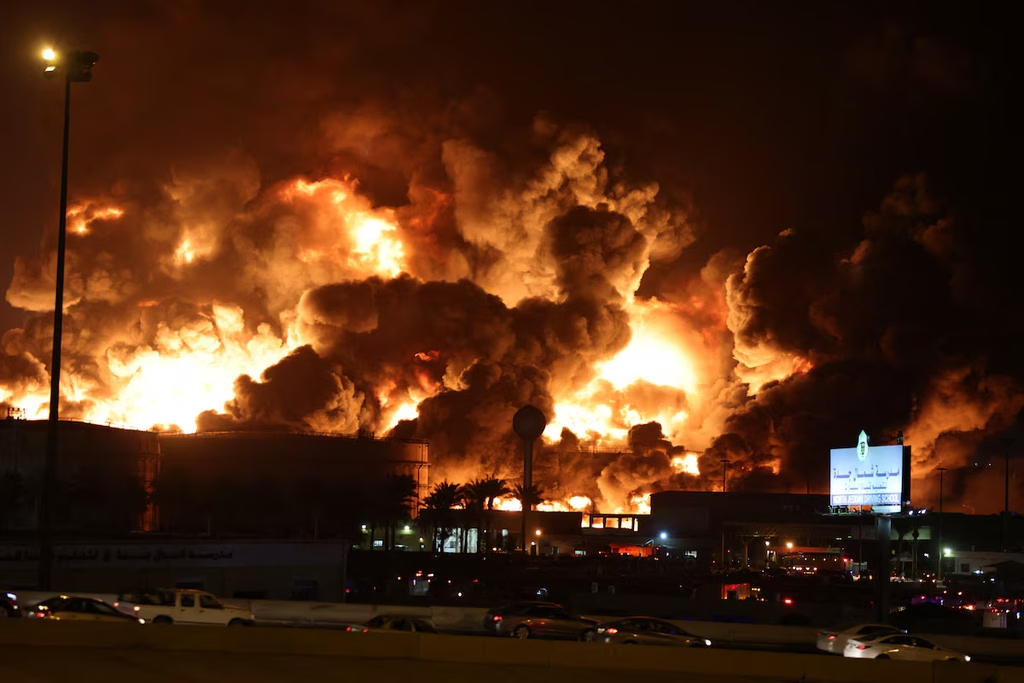
In the Gulf, the shock was even deeper. States that had built their entire security architecture around Washington began questioning the arrangement itself, after taking direct hits in a war they did not choose.
This was not miscommunication.
It was alignment breaking in real time.
And beneath the military conflict, a deeper battle was unfolding, one far more consequential than any single war.
The petrodollar.
For decades, the global order rested on a simple exchange: U.S. security for dollar-based energy trade. Oil was priced in dollars, recycled through American financial systems, reinforcing U.S. economic dominance.
That system is now under direct pressure.
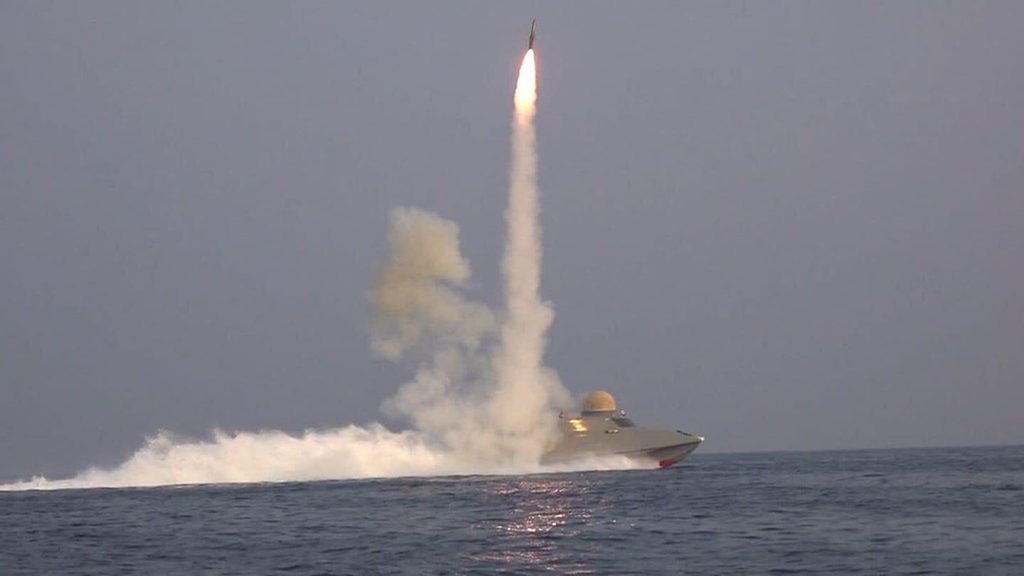
The Iran war accelerated moves to bypass the dollar entirely, with yuan-based oil trade gaining traction. Gulf states began diversifying. China positioned itself as an alternative anchor. Even limited shifts in pricing mechanisms signaled something far larger than market experimentation.
They signaled intent.
This is not theoretical.
It is already happening.
And it is happening with the participation, or quiet acceptance, of states that were built under the American security umbrella.
That is the systematic betrayal.
Just as in Rome, the senators did not act out of chaos. They acted out of calculation and greed. They believed the system would serve them better without total dependence on Caesar.
Today’s so-called allies are making the same calculation.
They are not breaking with Washington outright. They are hedging, diversifying, repositioning, building a world in which American power is no longer the center, but one of several competing poles.
And now, finally, Washington sees it.
Not in theory. Not in analysis.
But in practice.
During Gaza, it was visible. During Iran, it became undeniable.
For Trump, this is not a moment of confusion.
It is a moment of confirmation.
The realization that the system is no longer misaligned, it is being replaced.
This is the two-minute warning.
The moment where the realization sets in, that the room has already shifted, that loyalty has already fractured, that the system you built is no longer yours to command.
And from that realization comes a different conclusion.
You cannot fix what does not wish to be fixed.
You cannot restore loyalty where it no longer exists.
You do not negotiate with drift.
You replace it.
What follows is not an attempt to rebuild the old alliance structure.
It is the construction of a new one.
More selective. More transactional. More explicit.
And above all, more loyal.
Because the next order will not be built on assumptions of alignment.
It will be built on demonstrated allegiance.
On partners who choose the system, not benefit from it while quietly preparing alternatives.
Caesar realized the betrayal at the final moment.
Trump has seen it earlier.
And this time, the response is not to stand in the Senate and absorb the blow.
It is to decide who remains in the room when the doors close again.
What comes next is not erosion.
It is reordering.
A new world order, not built on balance, but on loyalty.