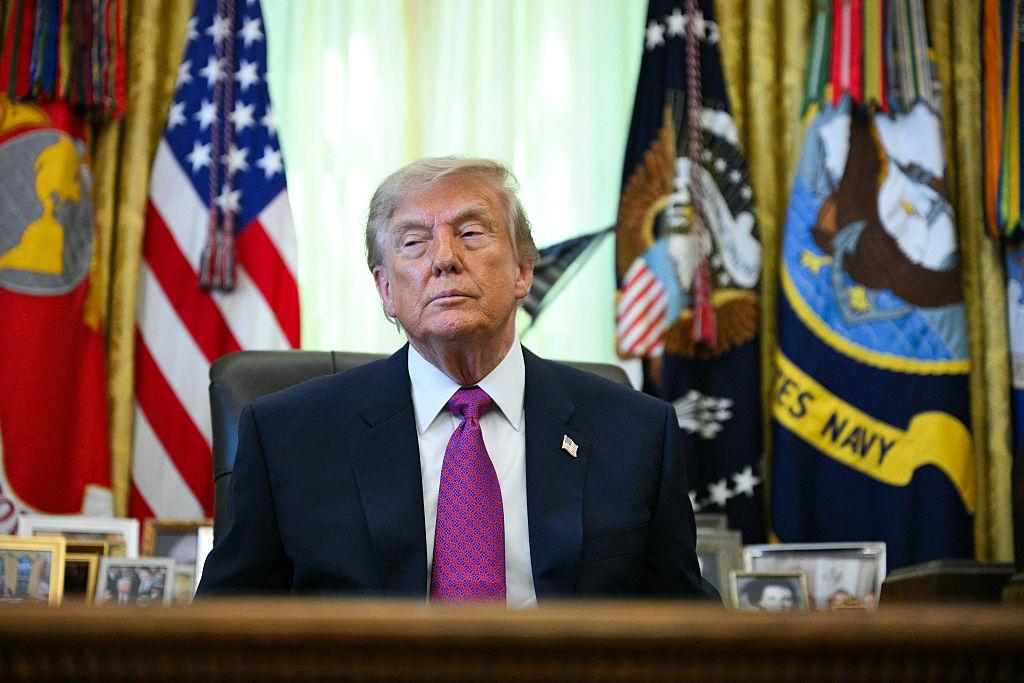
US President Donald Trump threatened on Tuesday to “annihilate the Islamic Republic” if Iran refuses to reach a peace agreement, using a sweeping United Nations General Assembly speech to defend the nearly seven-month war while laying out an increasingly muscular US approach toward Iran, Venezuela and Cuba.
Trump said he believed Tehran would ultimately agree to a deal after the November 3 US midterm elections but warned that the alternative could be a dramatic escalation of the conflict.
“I have a big decision to make. Will a deal be made with Iran that lets them rebuild and create a far greater country than it ever was before?” Trump said.
“Or do I annihilate the Islamic Republic and do it quickly, never giving them a chance to kill and destroy people and countries again?”
Trump later said he believed an agreement would be reached after the election, repeating his claim that Tehran was waiting to see the outcome of the congressional vote.
Iran has consistently denied seeking to develop a nuclear weapon. Its delegation walked out during Trump’s address, according to the Associated Press.
Trump portrayed the US-Israeli campaign against Iran as a necessary response to Tehran’s nuclear programme and regional influence, arguing that previous governments had allowed the threat to grow.
He said he had acted where other leaders had only talked and reiterated that the United States would never allow Iran to obtain a nuclear weapon.
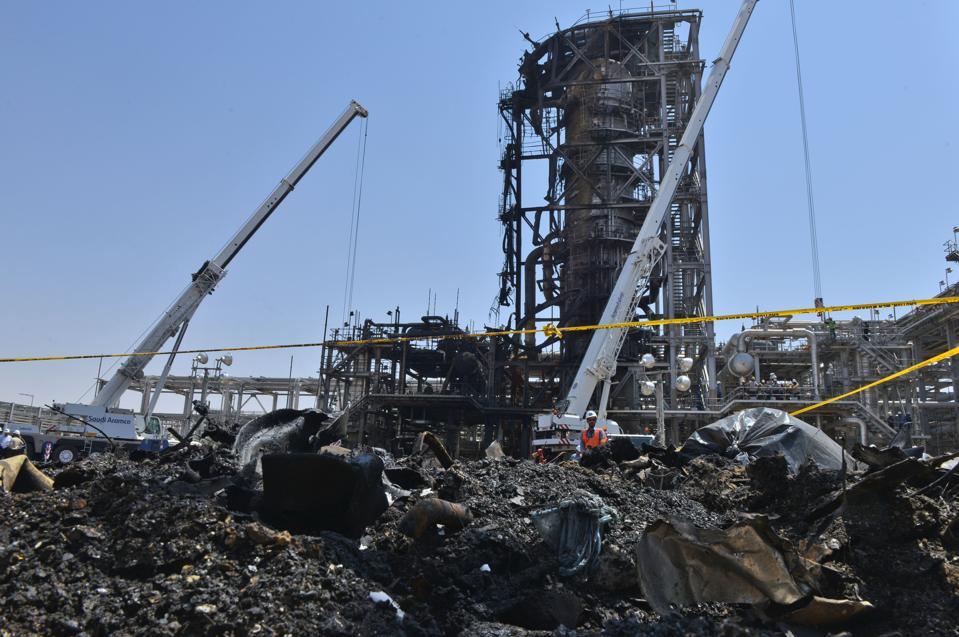
The war, launched in February, has sent energy prices sharply higher, disrupted traffic through the Strait of Hormuz and become an increasingly significant domestic political issue for Trump ahead of the midterms.
A Reuters/Ipsos poll released on Monday put Trump’s approval rating at 32%, the lowest of his political career, amid growing dissatisfaction over the cost of living and the war.
Trump broadens message beyond Iran
Trump’s address quickly expanded beyond the Middle East, with the president presenting US military power as a central tool for reshaping Washington’s relationships across several regions.
Turning to Venezuela, Trump defended the US operation that captured former president Nicolas Maduro earlier this year and the subsequent relationship Washington has developed with interim leader Delcy Rodriguez.
Trump said the Venezuela operation demonstrated that Washington would no longer tolerate what it regarded as threats gaining a foothold in the Western Hemisphere and said the United States was prepared to use military force to protect its interests.
He also defended US strikes against suspected drug-smuggling vessels in the Caribbean and Pacific, comparing drug cartels to ISIS and describing them as enemies of civilisation.
Trump then signalled that Washington was seeking major political change in Cuba.
“My administration is also seeking a fundamental change in the situation in Cuba,” he said, describing the communist government as under unprecedented pressure and the country as a “failed state.”
The remarks amounted to one of Trump’s clearest public statements yet that his administration wants profound political change in Havana.
Ukraine and the UN
Trump also addressed Russia’s continuing war in Ukraine, saying he believed progress toward ending the conflict could come sooner than widely expected.
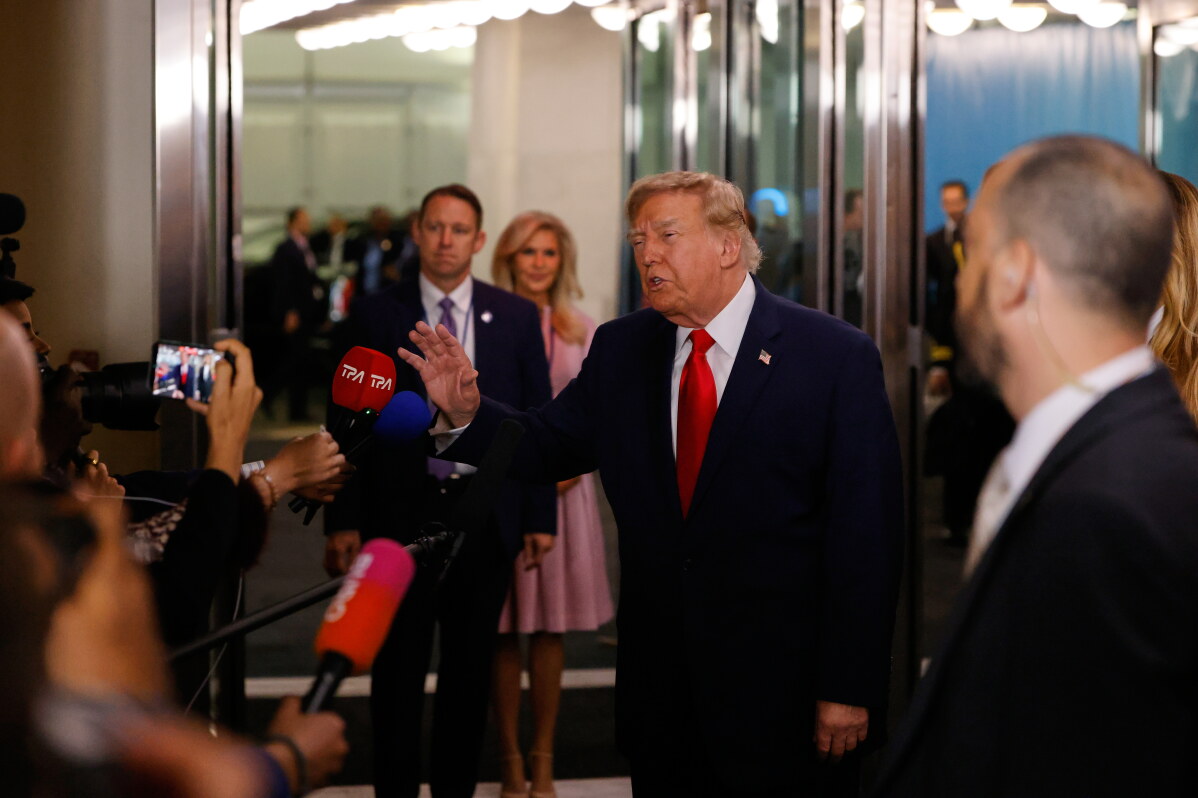
“It’s going to happen, I think, more quickly than people understand,” Trump said. Earlier, as he arrived at UN headquarters, he told reporters his message to Russian President Vladimir Putin was simply: “settle the war.”
Trump also used the UN appearance to reinforce his administration’s broader challenge to the international system.
Reuters reported that the White House had planned for Trump to highlight efforts to prevent the United Nations and other international bodies from encroaching on US sovereignty or promoting what the administration views as a left-wing political agenda.
That approach follows a major reduction in US participation in international institutions. In January, the White House ordered the United States to withdraw from 66 international organisations, including 31 UN entities, saying some advanced “globalist agendas” or policies it considered contrary to US sovereignty and national interests.
Trump began Tuesday’s speech by highlighting his domestic record, telling delegates that “America is back” and arguing that the United States was economically and militarily stronger than before he returned to office.
His address came at the start of an intensive day of diplomacy in New York.
Trump is scheduled to meet Ukrainian President Volodymyr Zelenskiy, British Prime Minister Andy Burnham, Venezuela’s Rodriguez, Danish Prime Minister Mette Frederiksen and Greenland Prime Minister Jens-Frederik Nielsen.
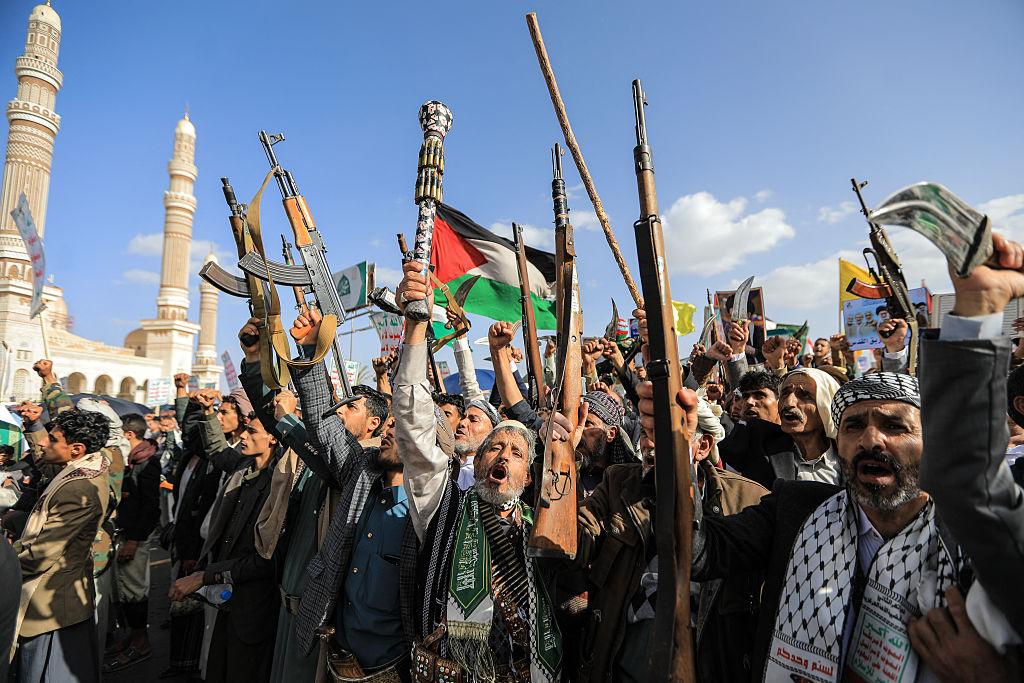
He is also due to hold talks with representatives of Saudi Arabia, the United Arab Emirates, Qatar, Oman, Bahrain and Kuwait, with the Iran war and the escalating Houthi conflict in Yemen expected to dominate discussions.
Trump is separately expected to sign an agreement with Denmark and Greenland expanding the US military presence on the Arctic island while restricting access by geopolitical rivals.
The speech places Iran at the centre of Trump’s UN message but also underscored a broader doctrine taking shape in his second term: a willingness to use US economic and military power more aggressively, particularly in the Middle East and Western Hemisphere, while challenging international institutions that his administration says constrain American sovereignty.