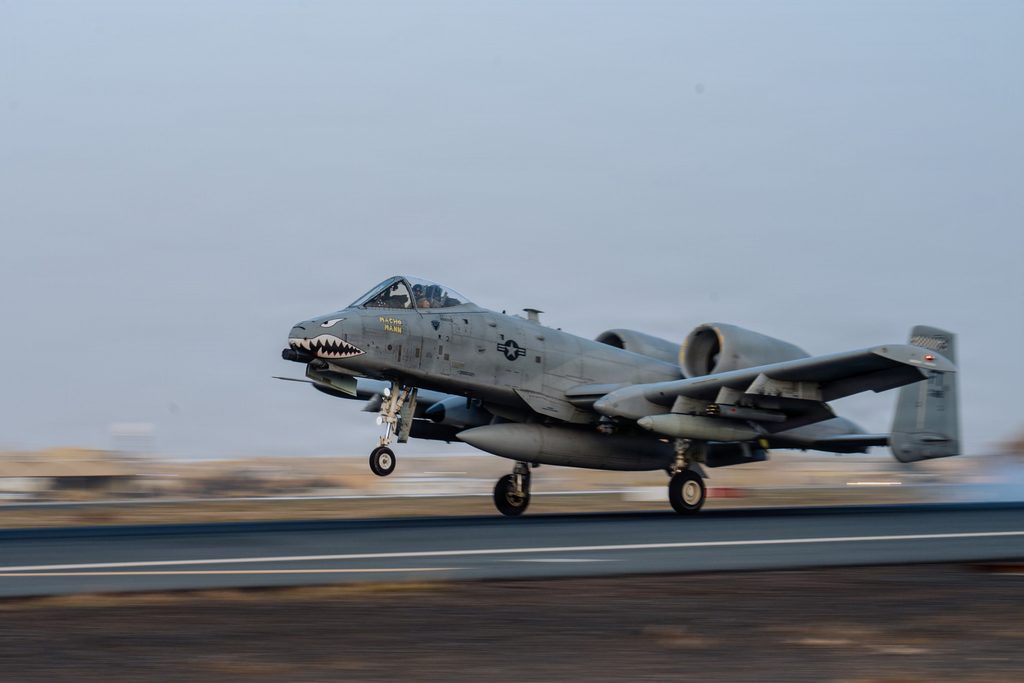
The White House is facing growing internal divisions over whether to launch another major military offensive against Iran, as President Donald Trump weighs renewed strikes against intensified economic pressure and diplomatic negotiations, according to a report published Wednesday.
A source close to the White House told Erem News that disagreements have deepened among senior US officials over Washington’s approach to Tehran, amid growing doubts about the effectiveness of a preliminary agreement reached between the two countries in June.
The source said Trump had become increasingly dissatisfied with the agreement, particularly its failure to deliver sufficient guarantees concerning Iran’s nuclear programme and maritime security in the Strait of Hormuz.
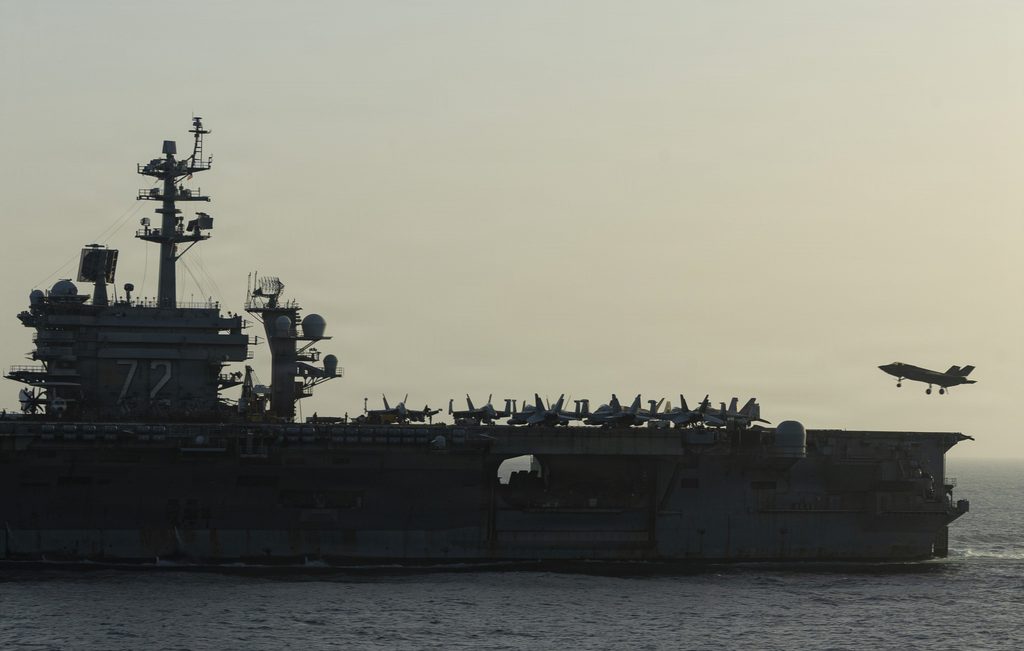
US military forces remain prepared to resume major operations against Iran but are awaiting a final decision from Trump, the source said.
According to the report, discussions within the administration have focused on whether further military action would force Tehran into making concessions or risk triggering a prolonged regional conflict with significant economic consequences.
The disagreements reportedly reflect competing assessments between military and intelligence officials and political advisers at the White House.
Some officials have warned that renewed strikes could lead to an open-ended confrontation, while others argue that allowing the current standoff to continue would give Iran additional time to strengthen its defences and improve its negotiating position.
The administration is also considering tighter economic sanctions, increased maritime restrictions and renewed negotiations aimed at securing more enforceable commitments from Tehran.
The central challenge, according to the source, is maintaining the credibility of Washington’s military threats without becoming drawn into another costly escalation.
Military pressure and diplomatic uncertainty
The June memorandum of understanding between Washington and Tehran was intended to end hostilities and establish a framework for a broader settlement.
However, the agreement subsequently unravelled amid renewed fighting and disagreements over implementation, leaving major disputes concerning Iran’s nuclear activities and shipping through the Strait of Hormuz unresolved.
US Central Command (CENTCOM), which oversees American military operations in the Middle East, has reportedly prepared options for further strikes should Trump authorise a renewed campaign.
The existence of military plans does not necessarily indicate that a decision to attack has been made.
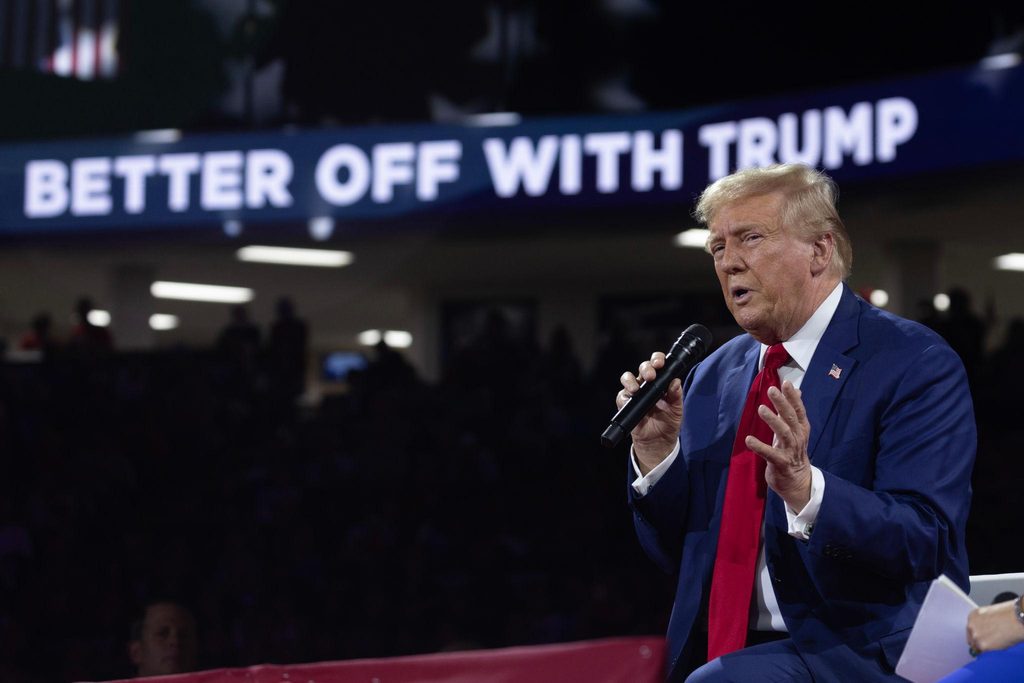
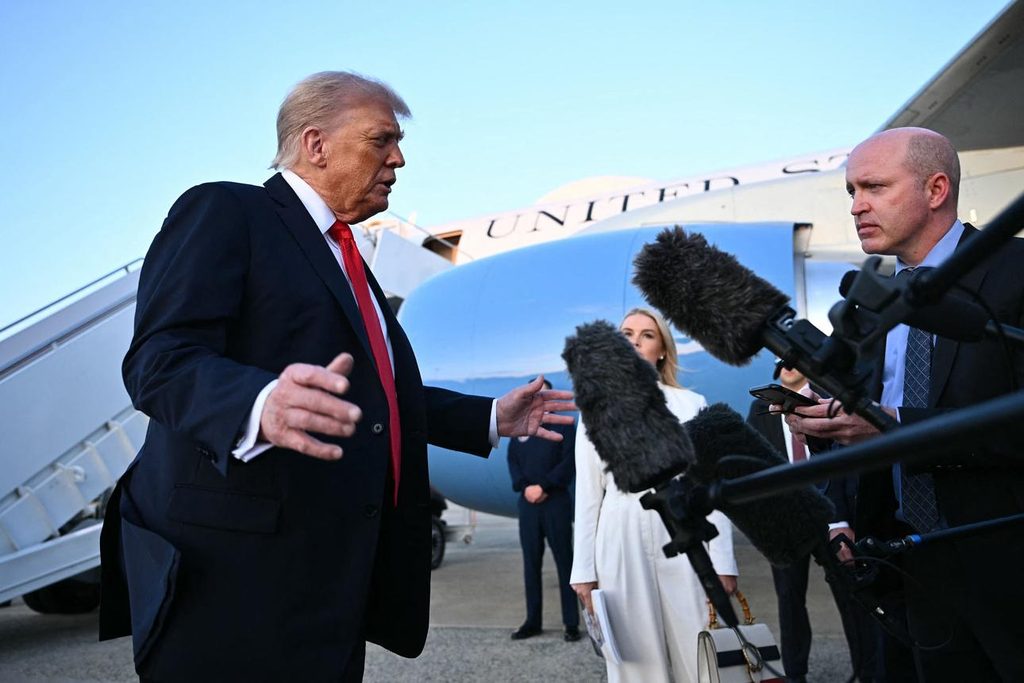
Trump has continued to leave open the possibility of further military action while signalling that a negotiated settlement remains an option.
US political analyst Stephen Miller, cited by Erem News, said Trump faced a difficult choice between using military force to extract concessions and pursuing negotiations that could require compromises from both sides.
He said the administration’s concerns extended beyond Iran’s nuclear programme to the need for clear, verifiable arrangements protecting shipping routes, particularly the Strait of Hormuz.
According to Miller, some officials believe stronger deterrence is necessary, while others fear that additional military operations could provoke retaliation and expand the conflict.
Strait of Hormuz remains central concern
The strategic importance of the Strait of Hormuz continues to shape Washington’s calculations.
Any major disruption to shipping through the waterway could increase transport and insurance costs, drive volatility in global energy markets and extend the economic consequences of renewed fighting far beyond the Middle East.
The White House is therefore weighing whether intensified sanctions and maritime pressure could achieve its objectives without provoking a broader military confrontation.
The source said the next stage of Washington’s approach would depend largely on Tehran’s response to US demands and the administration’s ability to reach a unified position.
For officials advocating a tougher approach, an agreement without effective monitoring and enforcement mechanisms would risk allowing Iran to strengthen its military capabilities without making meaningful concessions.
Others have warned that abandoning diplomacy could trigger a confrontation whose scale and duration would be difficult to control.
With military preparations reportedly in place, the final decision rests with Trump as Washington considers whether another round of strikes would improve its negotiating position or deepen an already volatile regional crisis.