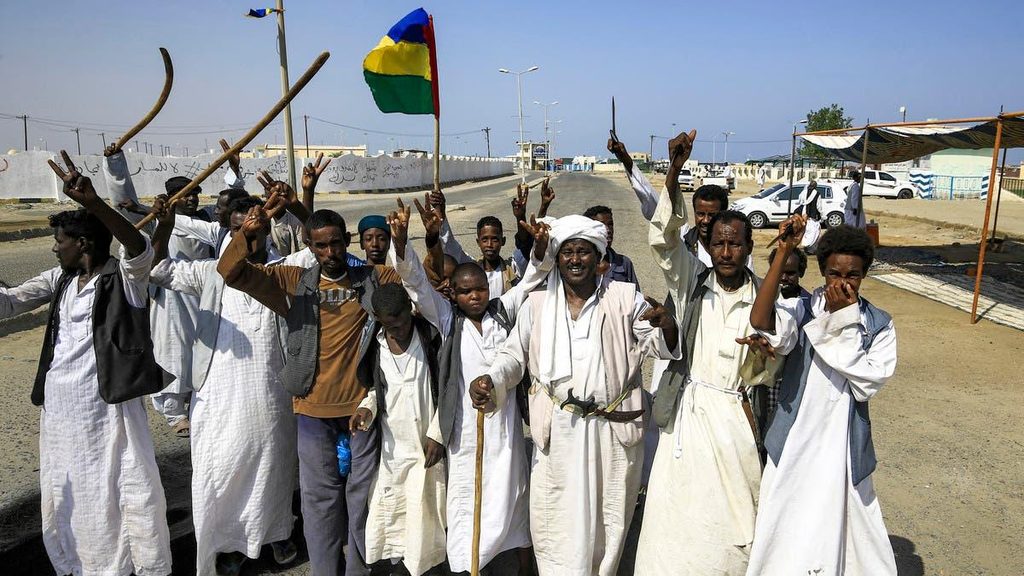
Influential Beja leaders in eastern Sudan have threatened to shut down mining operations and markets in protest against plans by the SAF government to centralise funds intended for communities affected by mineral extraction.
The dispute has renewed tensions over the distribution of Sudan’s mineral wealth, with regional leaders accusing the authorities of withholding resources from communities that bear the environmental and social costs of mining.
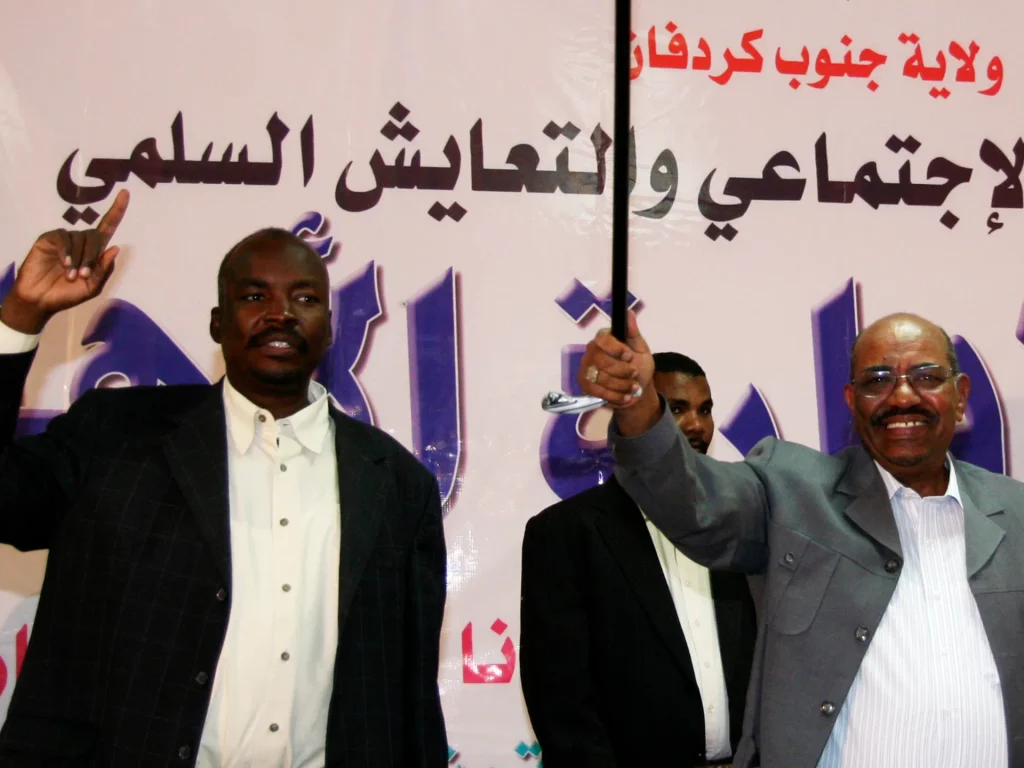
Abdullah Obshar, rapporteur of the Supreme Council of Beja Nazirs and Independent Chieftaincies, rejected the proposed changes during a public meeting in Port Sudan organised by a committee opposing the centralisation of mining-related community development funds.
According to Al-Rakoba, Obshar warned that the decision would face strong resistance and demanded greater regional control over mining revenues.
He argued that previous arrangements had failed to deliver adequate funding to areas where gold and other minerals are extracted.
Beja demand greater control of resources
Obshar pointed to an earlier revenue-sharing arrangement under Decision No. 90, which allocated 7.5% of specified mining proceeds to producing states and another 7.5% to producing localities.
He said the arrangement had not been fully implemented in Red Sea state, despite being applied elsewhere.
The Beja leader demanded that eastern Sudan receive 50% of the revenues generated from its natural resources, arguing that the region had endured decades of economic marginalisation.
He also renewed calls for federal governance and the right to self-determination.
The demands represent a direct challenge to the SAF government’s approach to managing mineral revenues at a time when Sudan’s gold sector remains a significant source of economic activity during the war.
Obshar warned that mining companies and associated markets could face closure if the authorities proceeded with measures that regional representatives considered an infringement on their rights.
Mining communities cite neglect
Other speakers at the gathering accused the authorities of failing to provide basic services to communities affected by mining.
They highlighted shortages of healthcare, education and infrastructure, alongside environmental and public health concerns associated with mineral extraction.
Hashim Gubayel, chairman of the committee opposing the centralisation policy, said the group would pursue peaceful and legal measures to challenge the decision.
Representatives of local mining associations also criticised the existing distribution of community development funds, arguing that producing areas receive only a small share of the economic benefits.
Some speakers called for greater community participation in managing mining companies and overseeing the allocation of revenues.
Beja representatives also criticised politicians from eastern Sudan serving within the current authorities, accusing them of failing to defend the region’s economic interests.
The dispute adds to longstanding grievances over wealth distribution, political representation and regional autonomy in eastern Sudan.
It also presents another potential challenge for the SAF government, which faces mounting economic pressures and growing demands for accountability over the management of national resources.
No immediate official response to the Beja leaders’ latest demands was reported.