Residents of Rabak, the capital of Sudan’s White Nile state, have endured two weeks without electricity following a drone attack on a major power substation, triggering sharp increases in the cost of food, water, refrigeration and basic services.
The blackout entered its 14th consecutive day on Monday, with residents reporting that a block of ice now costs 60,000 Sudanese pounds, while charging a mobile phone can cost as much as 5,000 pounds.
The cost of milling a malwa, a traditional local measure of sorghum, has also risen to 10,000 pounds, adding to the financial pressure on households already struggling with the economic consequences of Sudan’s prolonged conflict.
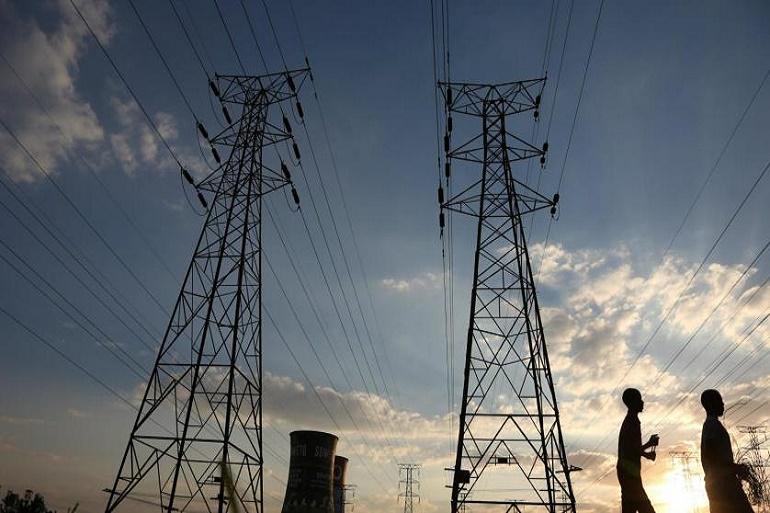
The crisis followed a drone strike on the Mashkur electricity substation on October 26, which damaged infrastructure supplying parts of White Nile state and disrupted essential services.
The attack was part of a wider wave of strikes against electricity facilities across Sudan, leaving several regions struggling with prolonged power shortages.
According to Radio Dabanga, residents say the continuing outage has brought much of Rabak’s daily economic activity to a standstill, forcing businesses and households to rely on expensive alternatives.
One resident, who requested anonymity, said grain mills had switched to fuel-powered generators, sharply increasing operating costs and creating long queues.
Families are now waiting between 24 and 48 hours to obtain flour as demand overwhelms the limited number of functioning mills.
The electricity shortage has also created difficulties for residents who depend on mobile phones to conduct financial transactions.
With banking applications widely used for everyday payments, keeping phones charged has become an essential expense rather than a convenience.
Some residents have turned to homes and offices equipped with solar panels, while others must pay commercial operators up to 5,000 Sudanese pounds to recharge their devices.
Water supplies, which were interrupted during the first days of the blackout, have partially recovered after pumping stations began operating on generators.
However, residents said they were now paying approximately 3,000 pounds for water supplies, adding another expense to already strained household budgets.
The crisis has also disrupted education, with families reporting that children are unable to study after sunset because of the lack of lighting.
A mother interviewed by Radio Dabanga said households had returned to using traditional charcoal irons to prepare school uniforms.
The price of a small bag of charcoal has reached 3,000 pounds, making even routine household chores increasingly expensive.
Businesses dependent on refrigeration and electrical equipment have also been affected, while the rising cost of generator fuel has pushed up prices for essential goods and services.
The disruption comes as Sudan’s electricity network faces mounting pressure from repeated attacks on power infrastructure.
Earlier strikes on electricity facilities in White Nile state disrupted hospital operations and forced businesses to suspend activities, with some workers borrowing money to cover basic living expenses. Dabanga Radio TV Online
Residents of Rabak say the prolonged outage has transformed ordinary activities, including preparing meals, obtaining drinking water and communicating with relatives, into costly daily challenges.
With no clear timetable announced for restoring electricity, households face the prospect of further financial hardship as the blackout continues.
The situation highlights the growing vulnerability of Sudan’s civilian infrastructure, where damage to electricity facilities is increasingly affecting access to food, water, communications and other essential services.