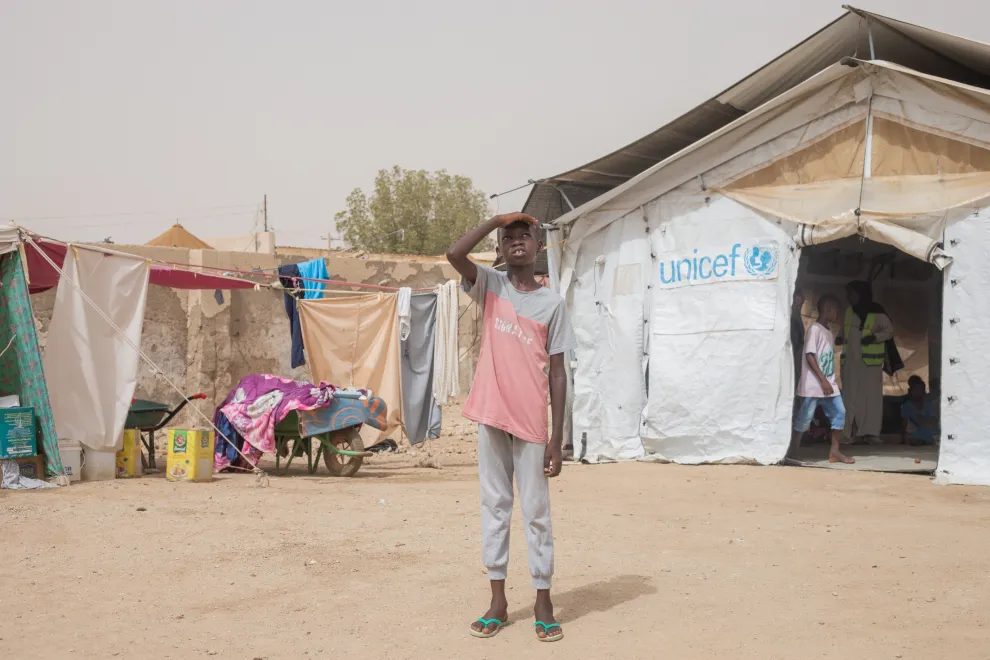
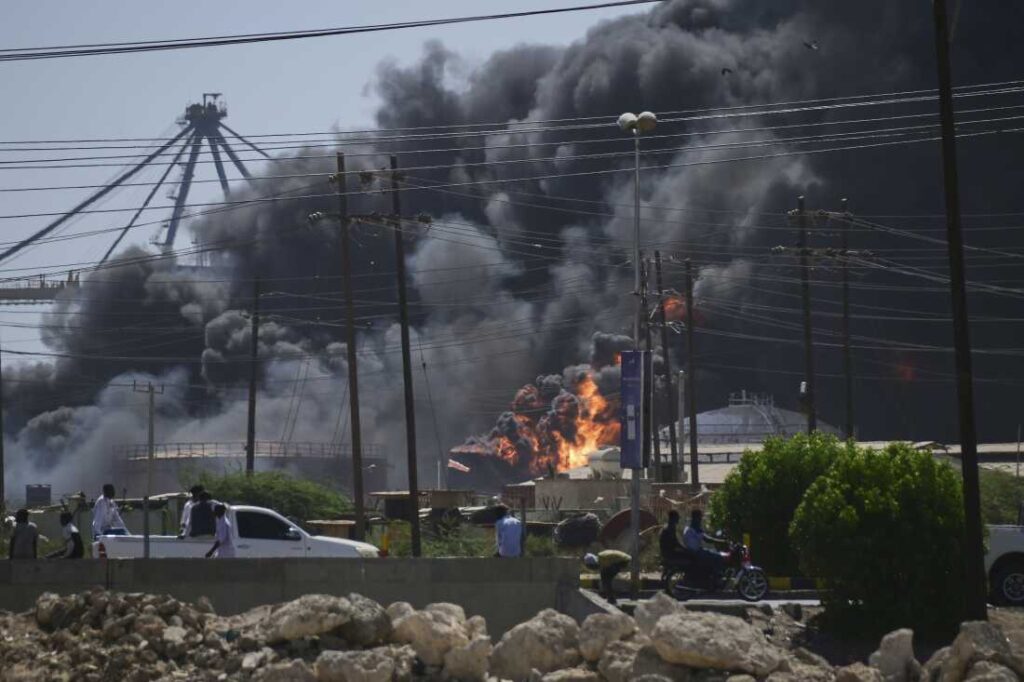
Sudan’s ongoing General Abdel Fattah al-Burhan-led army war continues to be the primary driver of mass displacement, forcing millions from their homes as violence spreads across the country.
The UN refugee agency says Sudan has become central to global displacement trends, with the conflict pushing numbers higher even as global figures show a slight decline.
For the first time in a decade, global forced displacement fell in 2025. However, the scale of Sudan’s crisis kept overall humanitarian pressure at alarmingly high levels worldwide.
The report highlights Sudan as the largest internal displacement crisis globally, shaping the broader picture alongside other long-running conflicts across the region.
Despite the overall decline, 117.8 million people remained forcibly displaced due to conflict, violence and persecution, according to the agency’s annual findings.
Officials attributed the modest global drop to increased returns to home countries and growing rates of naturalisation in host states.
Children make up a significant proportion of the 41.6 million refugees worldwide, with most hosted by low- and middle-income countries.
Around 5.4 million people crossed international borders in 2025 in search of safety, even as overall migration pressures eased slightly year on year.
Seven in ten refugees have now been in exile for more than five years, many living in overcrowded and under-resourced camps.
Internal displacement reached 68.7 million people, including 9.1 million in Sudan alone, driven largely by the ongoing conflict.
Other countries including Colombia, Syria, Yemen and Afghanistan also continue to record high displacement levels due to prolonged instability and weak governance.
Projections for 2026 remain concerning, with emerging crises in Iran and Lebanon expected to add further pressure to already strained systems.
Syria, Afghanistan and Sudan accounted for the largest share of refugee returns in 2025, though many returnees did so under pressure and without adequate support.
The report also warns that stateless populations remain widespread, while falling resettlement numbers highlight shrinking legal pathways and increasing strain on global protection systems.