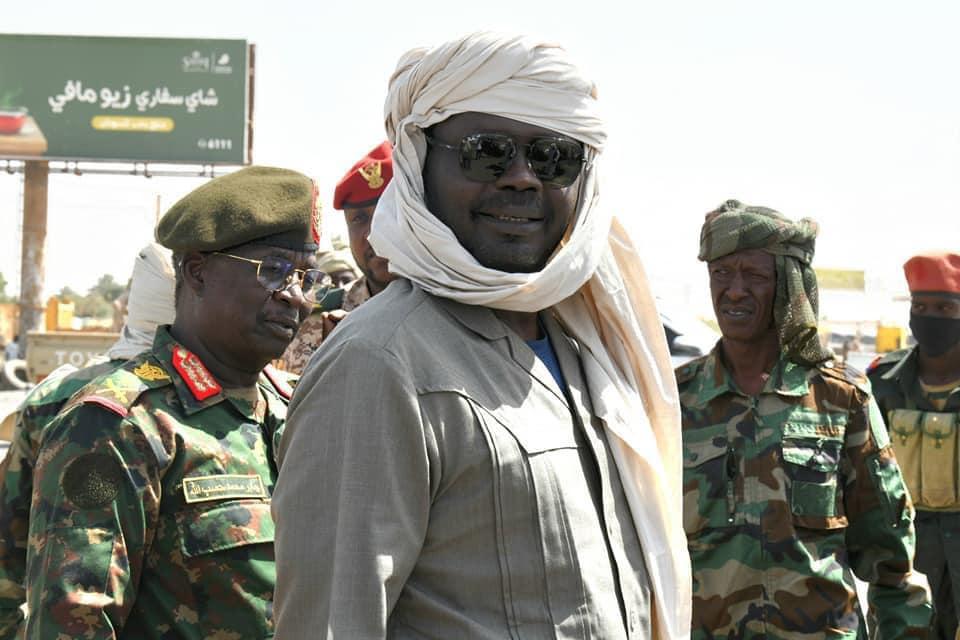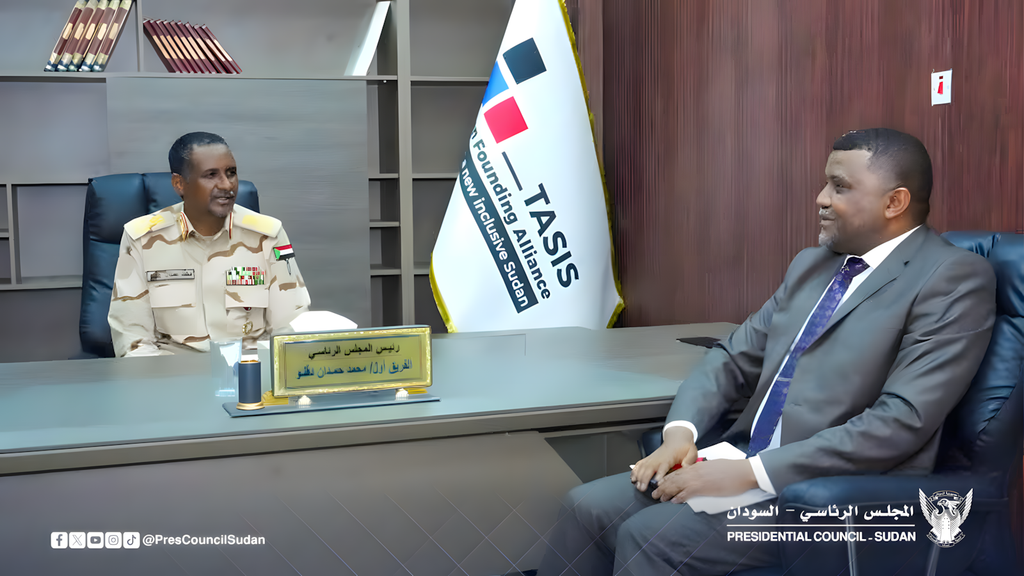
Mohamed Hamdan Dagalo, chairman of the Presidential Council of Sudan’s Government of Peace and Unity, has ordered intensified efforts to address growing food shortages and accelerate preparations for the safe return of displaced civilians to El Fasher, the capital of North Darfur.
The directives came during a meeting in Nyala with Ezzeldin al-Safi, head of the National Authority for Humanitarian Access, as the TASIS-led administration seeks to expand humanitarian operations, secure international assistance and address worsening food insecurity in areas under its control.
According to a report published by Assayha on Sunday, the discussions focused on urgent humanitarian needs, funding shortages and concerns over reduced rainfall this year, which officials warned could deepen food shortages and threaten agricultural production.
Al-Safi briefed Dagalo on the outcome of recent international engagements, including meetings with European Union representatives, the British special envoy and Japan’s chargé d’affaires.
The discussions reportedly explored opportunities to strengthen cooperation with international partners, mobilise additional humanitarian funding and expand relief operations across areas administered by the Government of Peace and Unity.
Al-Safi also presented the authority’s operational priorities for October and November, placing particular emphasis on a government initiative to facilitate the safe return of displaced residents to El Fasher.
The programme forms part of a broader recovery strategy intended to restore civilian life, rehabilitate damaged infrastructure and support communities affected by more than three years of war.
Preparations are also underway for a humanitarian conference aimed at improving coordination between government institutions, local organisations and international relief agencies.
Dagalo reaffirmed his administration’s commitment to protecting humanitarian personnel and ensuring that emergency supplies reach communities without discrimination.
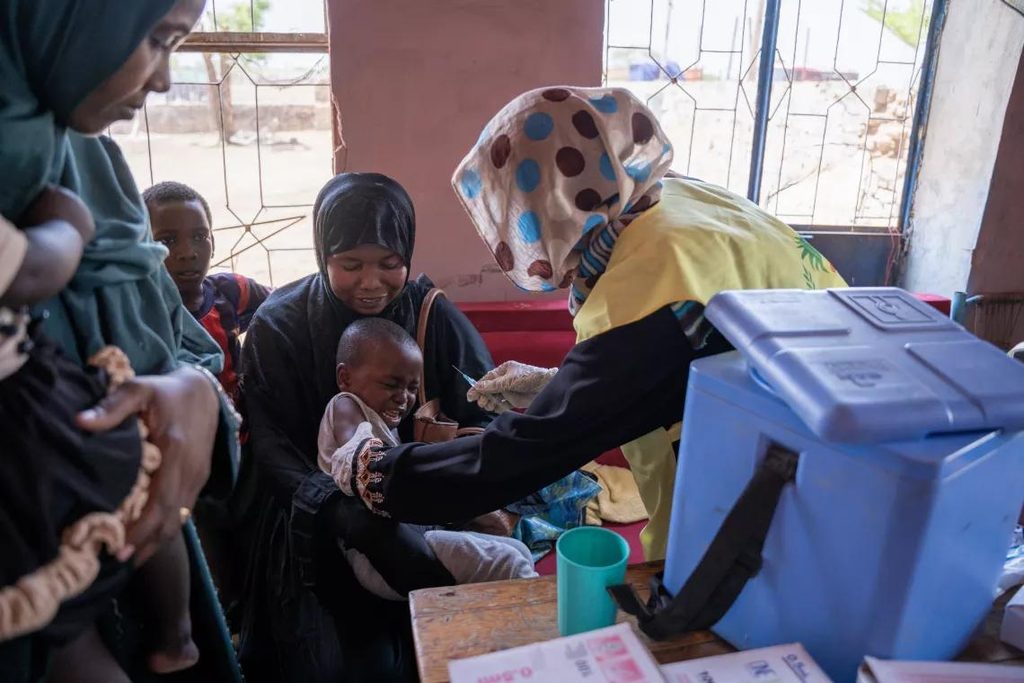
He renewed his appeal to United Nations agencies and international humanitarian organisations to expand their operations, particularly in areas facing severe shortages of food, medical supplies and essential services.
The presidential council chairman also called for greater investment in early recovery programmes designed to reduce long-term dependence on emergency assistance.
These measures include supporting small-scale farmers and agricultural producers, restoring livelihoods and helping communities resume economic activities disrupted by the conflict.
El Fasher return initiative gathers momentum
The latest announcement follows earlier preparations by South Darfur authorities to facilitate the voluntary return of displaced families currently living in temporary shelters in Nyala.
In September, South Darfur Social Affairs Minister Halima Mahdi announced that registration forms were being distributed to displaced families interested in returning to El Fasher.
Authorities said neighbourhood assessments would determine whether housing, water supplies, healthcare and other essential services were sufficient to support returning residents.
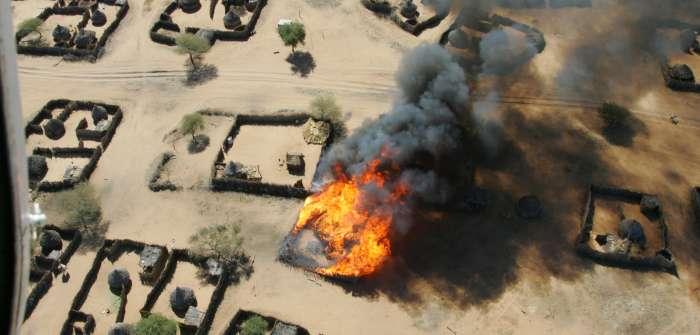
El Fasher has faced a devastating humanitarian crisis following prolonged fighting and the withdrawal of Sudanese army forces in October 2025.
United Nations agencies previously confirmed famine conditions in the city and warned that restrictions on humanitarian access, damaged infrastructure and mass displacement had severely undermined civilian survival.
Against that backdrop, Dagalo instructed relevant government institutions to provide humanitarian organisations with the administrative and logistical facilities necessary to expand relief operations.
He also endorsed the proposed humanitarian conference and the El Fasher return initiative, calling for closer cooperation between local communities, national organisations, government institutions and international partners.
The administration said its priorities would include closing food supply gaps, strengthening humanitarian access and implementing longer-term recovery programmes.