Ethiopia pushes for Sudan peace as SAF officials escalate hostility
Ethiopia pursues inclusive Sudanese dialogue as TASIS backs peace and SAF rejects mediation
Ethiopia’s efforts to bring Sudanese parties together for an inclusive national dialogue have received support from major Sudanese political forces, despite escalating hostility from officials aligned with the Sudanese Armed Forces (SAF).
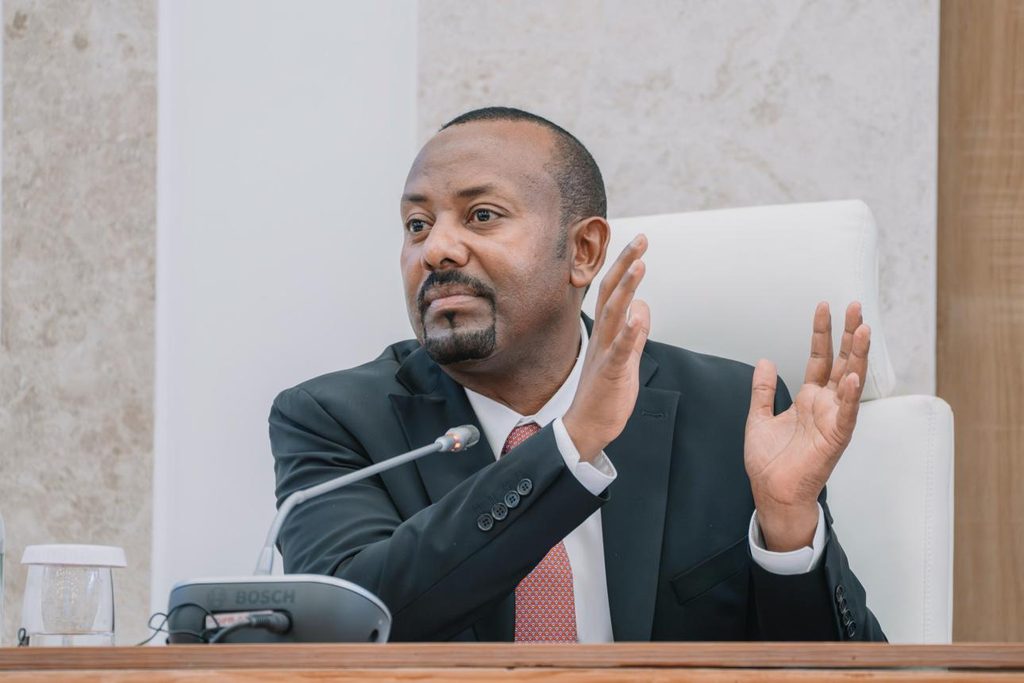
Ethiopian Prime Minister Abiy Ahmed has defended his country’s initiative, stressing that ending Sudan’s devastating war is essential not only for the Sudanese people but also for the security and stability of the entire Horn of Africa.
Addressing Ethiopia’s parliament on Thursday, Abiy urged Sudanese parties to give diplomacy a chance rather than dismissing the initiative before negotiations could begin.
“Peace in Sudan is an extension of peace in Ethiopia,” Abiy said.
The Ethiopian leader emphasised the historical and fraternal relations between the two countries, recalling Addis Ababa’s previous contribution to Sudan’s political transition following the overthrow of former president Omar al-Bashir in 2019.
Abiy said Ethiopia was prepared to commit diplomatic resources, time and expertise to helping Sudanese parties reach a lasting settlement, insisting that Sudan’s political future must be determined by its own people rather than imposed by external powers.
TASIS and civilian forces back dialogue
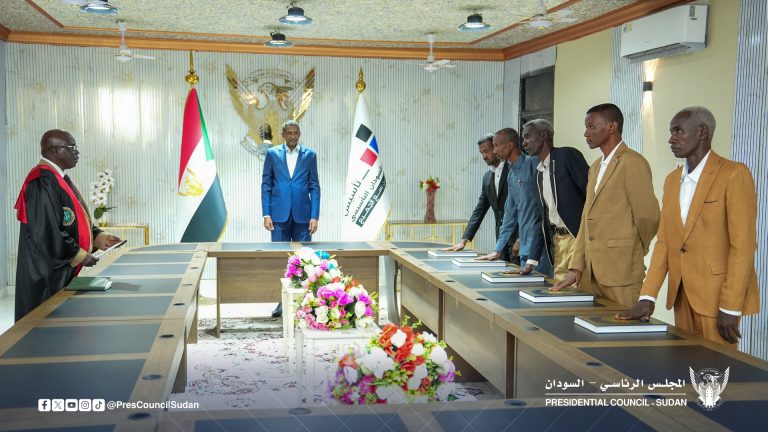
The Transitional Peace Government, established under the Sudan Founding Alliance (TASIS), welcomed Ethiopia’s initiative, describing it as an opportunity to end the bloodshed and address the historical causes of Sudan’s political crisis.
Information Minister and government spokesman Khaled Ahmed Danna praised the solidarity demonstrated by the Ethiopian government and people, highlighting Addis Ababa’s commitment to Sudan’s sovereignty, unity and stability.
Danna reaffirmed the Transitional Peace Government’s readiness to engage constructively with the initiative in pursuit of a comprehensive, just and sustainable peace.
TASIS has also stressed the importance of creating a platform through which Sudanese political forces can address longstanding structural problems, including the foundations of the Sudanese state and the need for a new national political compact.
The Civil Democratic Alliance of Revolutionary Forces (Somoud), led by former Prime Minister Abdalla Hamdok, separately welcomed Ethiopia’s proposal.
The coalition highlighted Ethiopia’s historic role in supporting Sudan’s democratic transition and called for coordinated regional and international efforts to achieve a ceasefire and establish an inclusive political process.
Sudanese opposition leader Yasir Arman has also warned against allowing regional conflicts and political disagreements to destroy the longstanding relationship between Sudan and Ethiopia.
Arman, who leads the Sudan People’s Liberation Movement-Revolutionary Democratic Current, called earlier this week for the African Union and the Intergovernmental Authority on Development (IGAD) to intervene diplomatically to contain tensions between the neighbouring countries.
Addis Ababa emerges as a centre for peace diplomacy
Ethiopia’s initiative comes as Addis Ababa continues to serve as a venue for international efforts to resolve Sudan’s conflict.
A senior TASIS delegation led by Presidential Council member Al-Tahir Hajar held consultations on Wednesday with the international Quintet at the African Union headquarters in the Ethiopian capital.
The mechanism comprises the African Union, United Nations, European Union, Arab League and IGAD.
Following the consultations, TASIS announced that an agreement had been reached for a Quintet delegation to visit Nyala, meet the alliance’s leadership and assess conditions in areas under its administration.
The development demonstrated that diplomatic engagement involving Sudanese stakeholders was continuing in Addis Ababa despite the SAF government’s objections to Ethiopia’s separate mediation initiative.
African Union Commission Chairperson Mahmoud Ali Youssouf also acknowledged the significance of Ethiopia’s proposal in supporting efforts to bring Sudanese parties together.
While stopping short of formally endorsing Ethiopia as a mediator, Youssouf reiterated that any political process must be inclusive, Sudanese-led and directed towards preserving the country’s sovereignty and territorial integrity.
SAF officials intensify accusations
Against this backdrop of diplomatic activity, two SAF-aligned officials launched fresh attacks against the Ethiopian leadership on Friday.
Ahmed Ishaq Shanab, an official in the SAF-aligned Darfur regional administration, accused Ethiopia of providing military and logistical assistance to the Rapid Support Forces (RSF), alleging that Ethiopian territory was being used to launch drone attacks inside Sudan.
Musleh Nassar, an adviser to SAF government Prime Minister Kamil Idris, questioned Abiy’s credibility and accused the Ethiopian leader of participating in efforts to destabilise Sudan and the wider region.
Ethiopia has previously denied allegations that it supports RSF military operations and maintains that it respects Sudan’s sovereignty. Addis Ababa has separately accused the Sudanese military of supporting armed groups operating against Ethiopian federal forces.
There was no immediate Ethiopian response to Friday’s latest accusations.
The remarks followed the SAF government’s formal rejection of Abiy’s initiative on Wednesday, when it called on the African Union and international partners to exclude Ethiopia from arrangements to facilitate Sudanese dialogue.
The rejection has highlighted the contrasting approaches of Sudanese political and military actors towards regional mediation, with TASIS and civilian forces expressing a willingness to explore the Ethiopian initiative while the SAF government refuses to participate.
Ethiopia has maintained that its objective is neither to secure a military victory for one Sudanese faction nor to impose a political settlement, but to provide a platform for Sudanese parties to negotiate an end to the conflict.
With millions displaced, communities devastated and humanitarian conditions continuing to deteriorate, the dispute over Ethiopia’s mediation role presents another challenge to international efforts to bring Sudan’s war to an end.
Spotted an error? Contact our corrections desk.