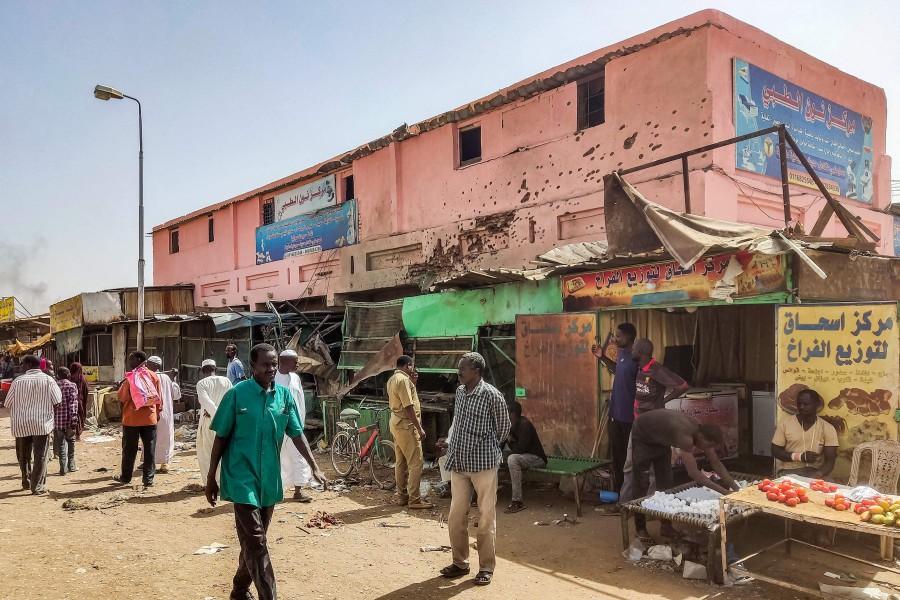
Thousands of Sudanese families returning to Khartoum after more than two years of war are finding a capital struggling to recover, with widespread power cuts, damaged infrastructure, unpaid public-sector salaries and rapidly rising living costs undermining hopes of a return to normality.
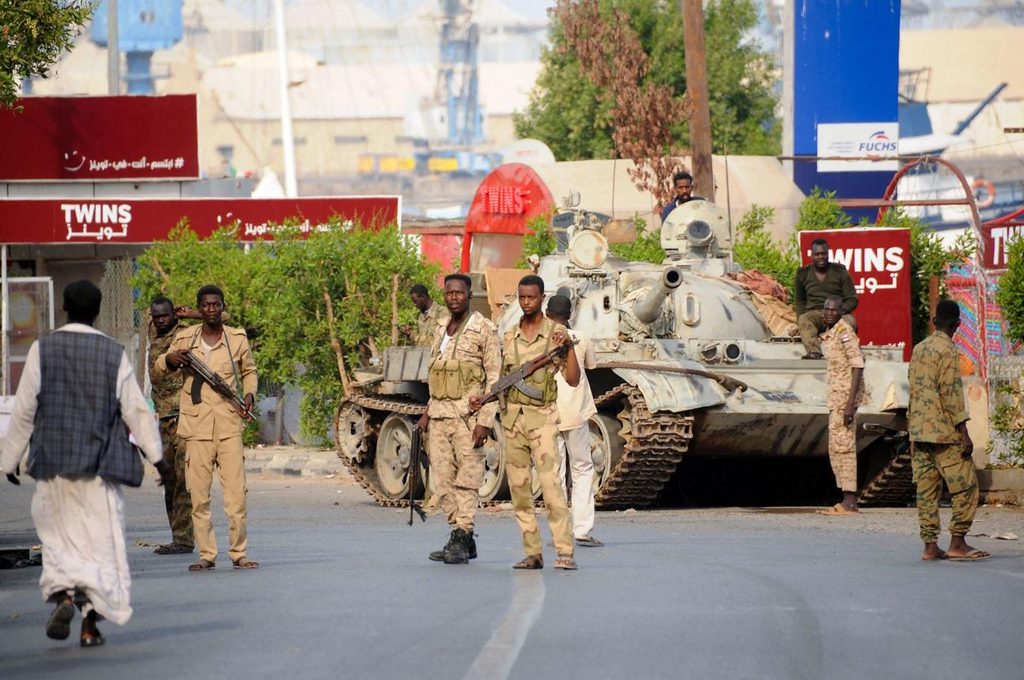
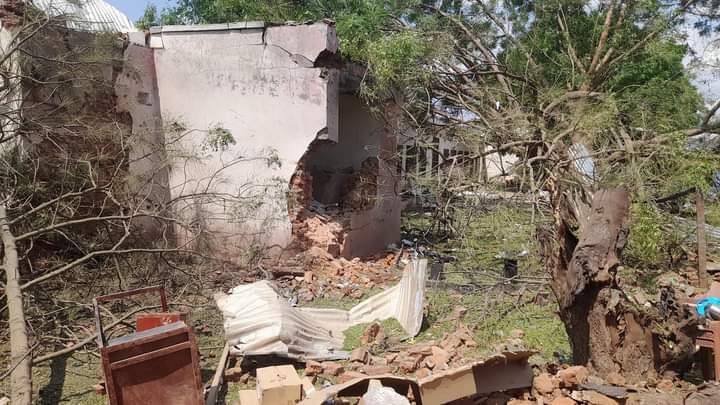
More than two million people have returned to the capital over the past year after the SAF regained control of Khartoum from the Rapid Support Forces (RSF), according to official figures. The city, however, remains ill-equipped to absorb the influx, with much of its infrastructure still heavily damaged and basic services functioning only intermittently.
Many returnees say they came back not because conditions had improved significantly, but because they had few alternatives. Some cited increasing pressure on Sudanese refugees in Egypt as a key reason for returning despite the continuing hardships.
Authorities have ordered civil servants to resume work in Khartoum and instructed students to return to schools and universities after months of remote learning and temporary examination centers elsewhere in Sudan and abroad. Yet many government employees say salaries remain unpaid, while educational institutions continue to struggle with damaged classrooms, laboratories and student accommodation.
Recovery has been most visible in Omdurman, where government forces maintained a stronger presence during the conflict. Large parts of central Khartoum and Bahri, however, continue to suffer from prolonged electricity outages and limited access to public services.
Khartoum state officials say repeated drone attacks on electricity infrastructure have reduced the capital’s power generation capacity to roughly one-third of pre-war levels, forcing authorities to ration electricity to around eight to 10 hours per day in many areas.
The difficult conditions have been compounded by a worsening economic crisis, as the rapid depreciation of the Sudanese pound drives up the cost of food, fuel and household essentials.
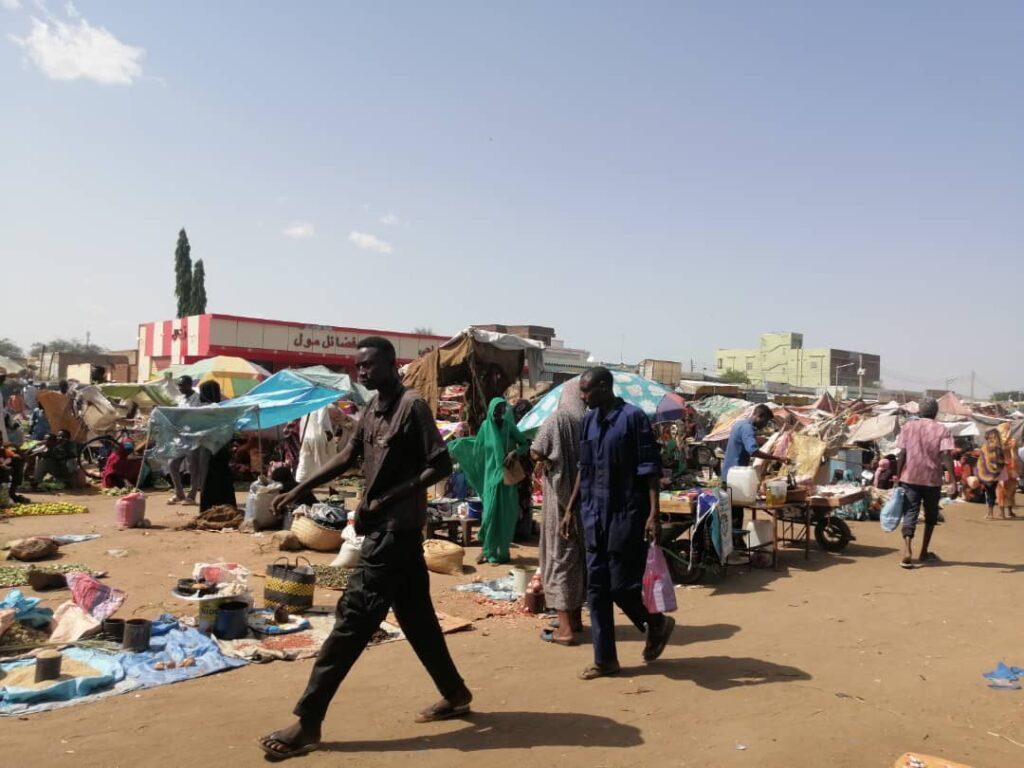
Traders in Omdurman say exchange-rate volatility, rising import costs and shortages of foreign currency have triggered sharp increases in consumer prices. Some merchants have also delayed releasing stored goods, fearing losses as the currency continues to weaken, further restricting supply.
The price of a 50-kilogram bag of sugar has climbed to between 270,000 and 280,000 Sudanese pounds, while a 25-kilogram sack of flour now costs around 100,000 pounds. A 36-pound container of cooking oil sells for about 450,000 pounds, with similar increases recorded for rice, lentils and other staple foods.
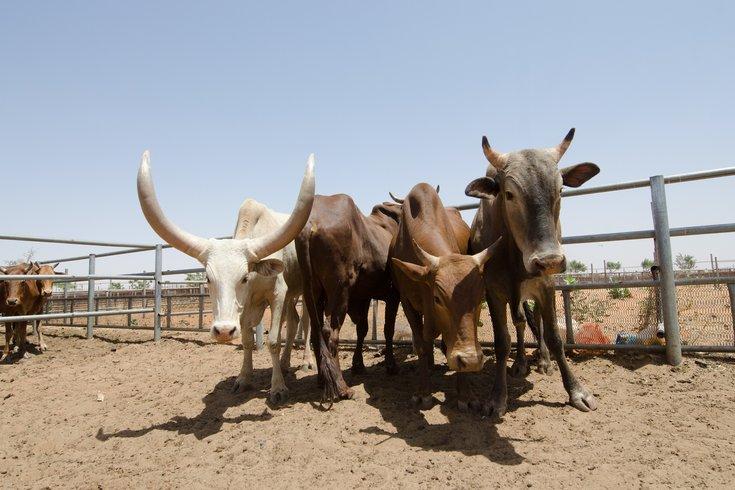
Households are also facing steep increases in everyday expenses. Residents say beef prices have risen from around 26,000 pounds per kilogram to 34,000 pounds, while lamb has increased from 40,000 to 48,000 pounds per kilogram. Eggs, vegetables and bread have also become significantly more expensive, adding further pressure on families already struggling with reduced incomes.
Cooking gas prices have surged as well, with a seven-kilogram cylinder rising from about 70,000 pounds a few months ago to more than 103,000 pounds.
The sharp rise in prices follows the collapse of the Sudanese pound, which briefly traded above 6,000 pounds to the U.S. dollar in the parallel market during June before easing to between 5,200 and 5,400 pounds. Commercial banks have also adjusted official exchange rates higher, while Sudanese customs authorities recently increased the customs dollar by more than 6%, a move traders expect will push import prices even higher in the coming weeks.
Small business owners attempting to reopen in central Khartoum face additional challenges. Shops in the once-bustling Arab Market, heavily damaged during months of fighting, are reopening slowly, but many traders complain they are being asked to pay taxes and government fees despite continuing shortages of electricity and other essential services.
Local authorities say payment deadlines can be delayed or spread over installments where necessary but acknowledge that the state also requires revenue to fund sanitation, security and other basic public services.
For many Sudanese returning home, the end of large-scale fighting has brought relative safety, but rebuilding daily life remains a daunting challenge as economic hardship and damaged infrastructure continue to dominate the capital’s recovery.