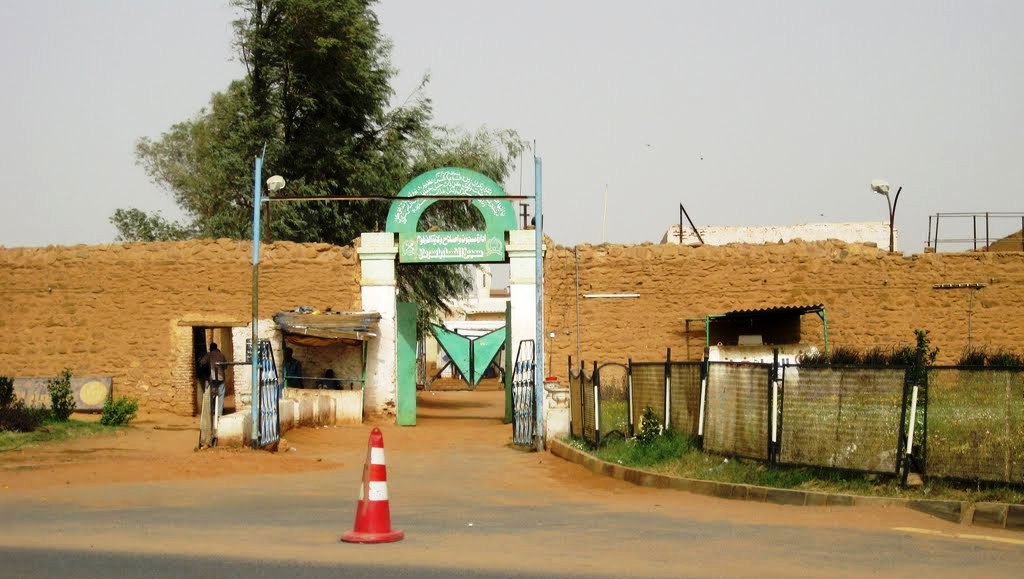
Thirty-five women from across Sudan are on death row at Al-Taibat women’s prison in Omdurman after courts convicted them of collaborating with the Rapid Support Forces (RSF), according to a preliminary count by Sudanese human rights lawyer Rehab al-Mubarak. She identified another 186 women at the prison serving sentences of between one and 20 years on similar charges.
The women sentenced to death were transferred to Omdurman from several states, Mubarak said in a report on women in Sudanese prisons. The figures cover only part of the prison population. Many women serving terms of less than a year remain in state prisons, while others are still waiting for their cases to reach court, according to her account, carried by Al-Rakoba on Wednesday and credited to the Sudanese outlet Madamik.
Mubarak said prosecutors frequently bring charges under Articles 50 and 51 of Sudan’s Criminal Act in cases involving alleged support for the RSF. She questioned what evidence courts had relied on to impose penalties ranging from short jail terms to death. In some cases, she said, tribal or ethnic identity appeared to influence verdicts, leaving women from communities perceived to support the RSF at risk of prosecution regardless of their individual conduct.
One case previously reported by The Sudan Times illustrates how sharply sentences can change on appeal. A court sentenced trainee lawyer Khadamallah Mousa Abdelghani to death in August 2025 following her arrest by military intelligence in Khartoum North. An appeals court reduced her sentence to 20 years, and the Supreme Court upheld the prison term.
Lawyer details abuse allegations in several prisons
Mubarak said growing numbers of women were being detained, some with their children, including infants. She described allegations of torture, sexual violence and deprivation of food and medical care. Independent oversight was limited, she said, and International Committee of the Red Cross teams had difficulty reaching detention sites in areas affected by fighting.
At Jebel Sarkab prison, Mubarak cited a witness who accused an officer of repeatedly raping female detainees, including a girl aged 17 or younger. Many women at the facility were still awaiting trial, she said. At El Obeid prison, where 56 women had previously received sentences in RSF collaboration cases, an investigator allegedly sexually harassed a detainee and directed sexually degrading remarks at her. The published account gave no response from the accused men or the prison administrations.
In Gezira state, Mubarak said a security unit arrested women from the village of Wad al-Shafie, several of them pregnant. She said the women were beaten and subjected to sexual and tribal insults before being taken to prison. At Wad Madani prison, she said, detainees went hungry and were denied treatment during a cholera outbreak.
Mubarak also documented the detention of five women activists, including journalists, at RSF-controlled Dagreis prison. She said they were held for more than four months after organising a local meeting to raise awareness of the dangers of the war. She described their treatment in custody as degrading.
In Kassala, the restrictions extended to education. Mubarak said prison officials prevented convicted women from continuing their studies or sitting Sudan’s secondary school certificate examinations, telling them no teachers were available.