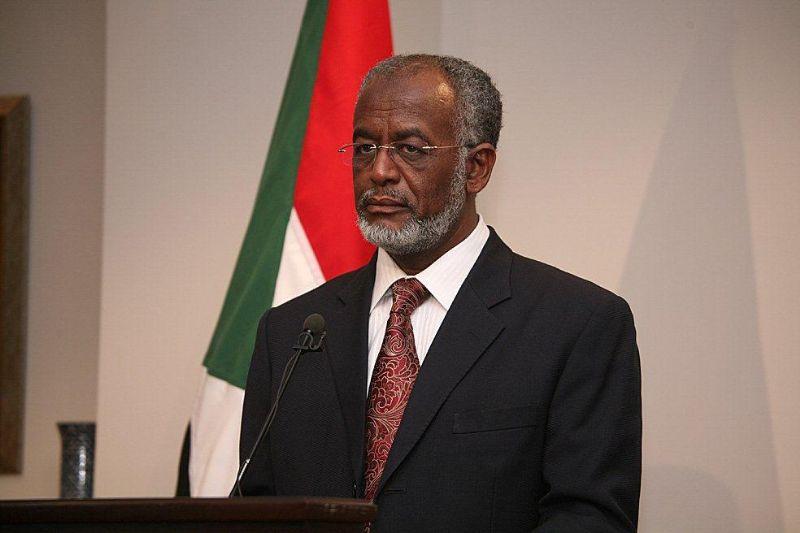
A leadership dispute is deepening inside Sudan’s Islamist alliance ahead of a presidential council meeting expected to choose a new head, amid reported efforts to amend internal rules and allow Islamic Movement Secretary-General Ali Karti to remain in the post for a second term.
Sources told Al-Rakoba that tensions have intensified among the eight components that make up the Islamist bloc, as rival factions debate whether Karti should be allowed to continue despite the end of his official term.
The alliance’s internal constitution is based on a rotating presidency among its eight member groups, a mechanism designed to preserve balance and prevent any single faction from monopolising leadership. According to the sources, the presidency was originally limited to three months before being extended in the last cycle to a full year, during which Karti held the position.
That term has now officially expired.
However, the sources said internal moves are underway to amend the constitution again, allowing Karti to remain in office for an additional period, despite reportedly being outside Sudan for more than six months.
The proposal has triggered opposition from other factions within the Islamist alliance, who argue that extending Karti’s tenure would violate the principle of rotating leadership written into the group’s founding rules.
Opponents have warned that bypassing the rotation system could deepen organisational rifts and fuel further internal divisions at a time when the Islamist bloc is already struggling to maintain cohesion among its components.
The upcoming presidential council meeting is now expected to play a decisive role in shaping the alliance’s leadership in the next phase, amid growing uncertainty over whether the group will preserve its rotation model or move toward another extension for Karti.
The dispute comes as Sudan’s Islamic Movement and allied Islamist factions face mounting scrutiny over their political role during the war, their relationship with General Abdel Fattah al-Burhan’s SAF, and their efforts to preserve influence within Sudan’s shifting power structure.