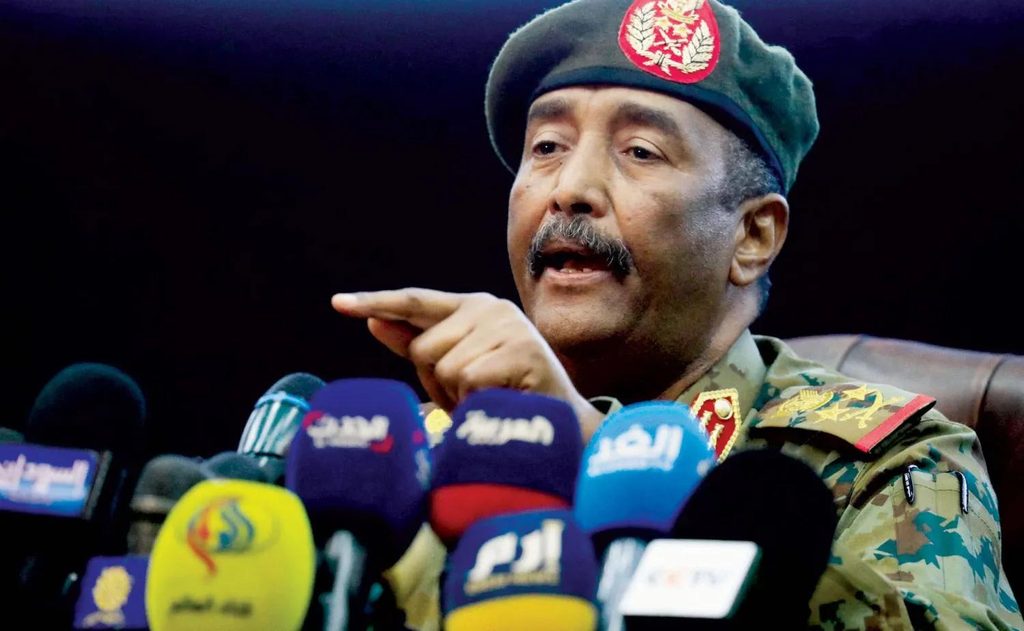
Leaked documents, videos and intercepted communications point to an alleged Sudanese army programme to develop and stockpile chlorine weapons during its war against the Rapid Support Forces, according to investigations published by The New York Times and The Washington Post.
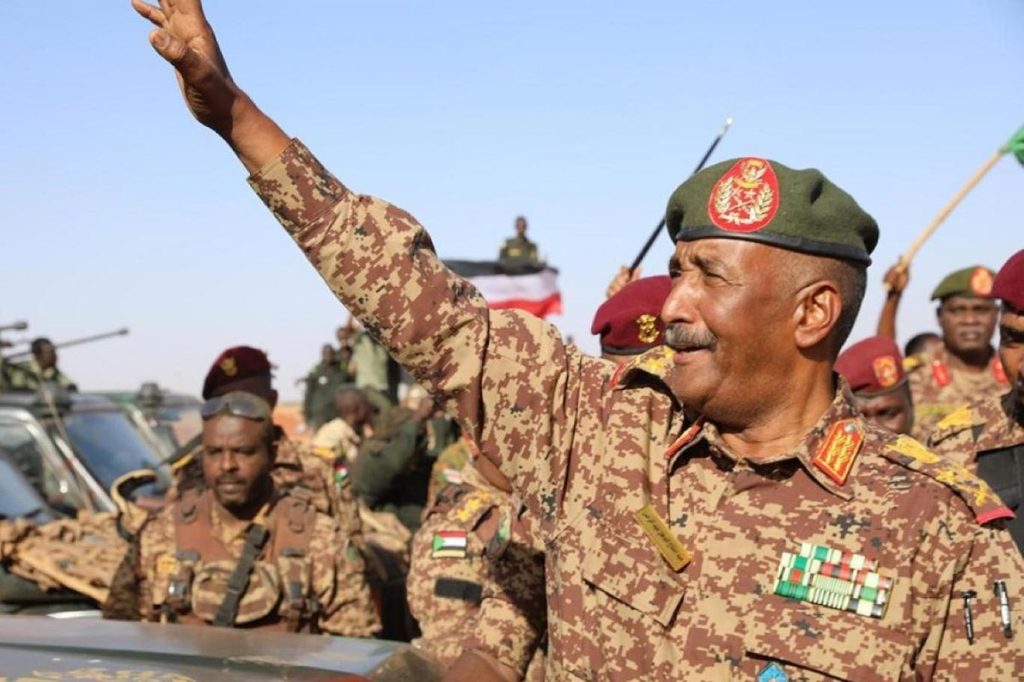
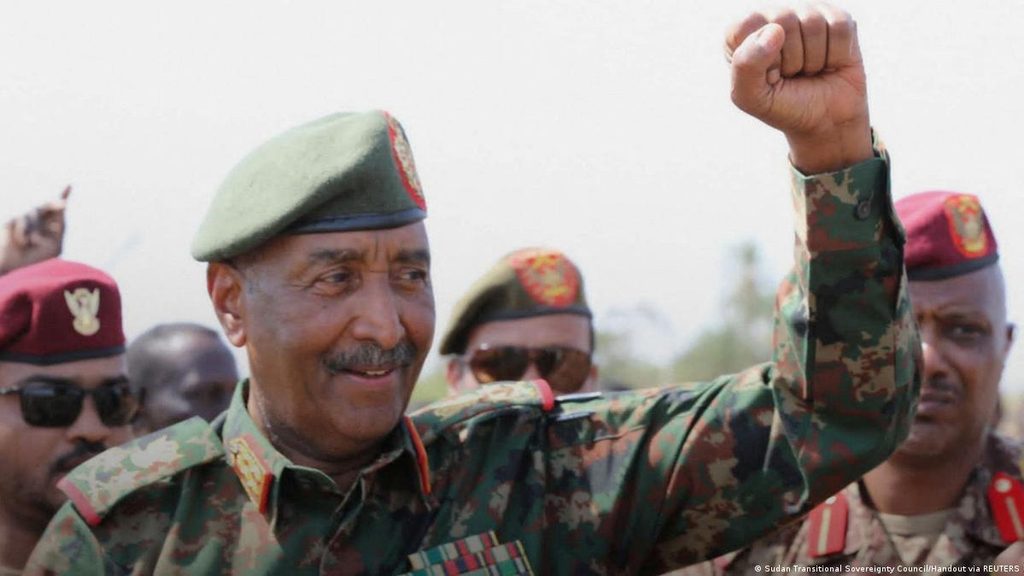
The material also suggests that army chief Abdel Fattah al-Burhan knew about the programme and later ordered efforts to erase its traces, according to the reporting. Sudanese military officials deny developing or using chemical weapons.
The dossier describes weapons development and desert testing during 2024, followed by the production of hundreds of munitions and an apparent attempt to conceal the operation after it came to Washington’s attention. The National’s account of the investigations corroborates these central allegations.
According to the Times investigation cited by Sky News Arabia, a Middle Eastern intelligence agency supplied the newspaper with roughly 150 documents, photographs, videos and audio recordings, alongside thousands of text messages. Much of the material appeared to come from senior Sudanese officers’ phones.
The files identify Brigadier General Tariq Hussein as the officer overseeing the alleged project. He reportedly proposed using chlorine weapons in July 2024 to help the army dislodge RSF fighters from Khartoum.
By October 2024, Hussein allegedly reported that nearly 300 chemical munitions had been produced, with most stored at Merowe airport in northern Sudan.
The reporting also raises questions about the possible diversion of chlorine from civilian water supplies. In a recording described in the supplied account of the Times investigation, Hussein allegedly claimed to have obtained chlorine from the Al-Manara water treatment plant in Omdurman.
International aid organisations had supplied the plant with chlorine for water purification. Their provision of supplies does not establish that they knew of, or participated in, any diversion for military purposes.
The dossier includes allegations of chemical weapons use against the RSF-held Al-Jaili refinery north of Khartoum in September 2024. However, the supplied account of the Times investigation notes discrepancies between the munitions described in the files and those examined in an earlier France 24 investigation. It reports no confirmed deaths attributable to the alleged attack.
The sanctions chronology involves two separate US actions.
On January 16, 2025, the Treasury Department sanctioned Burhan over his leadership of the Sudanese Armed Forces. Its public announcement cited attacks on civilians, obstruction of humanitarian assistance and opposition to a civilian democratic transition. It did not publicly identify chemical weapons as the basis for his designation.
On May 22, 2025, Washington separately announced sanctions against Sudan after determining that its government had used chemical weapons during 2024. That announcement preceded the measures taking effect.
Communications described in the new dossier allegedly show that Burhan instructed Hussein to erase evidence of the programme after the May sanctions announcement. The reported instruction is an allegation drawn from the intercepted material, rather than an independently established finding.
An army spokesman, quoted in Sky News Arabia’s account, rejected the dossier as unsupported by material evidence, cited Sudan’s membership of the Chemical Weapons Convention and threatened legal action against the Times.
Alrakoba also reported that Burhan adviser Amjad Farid dismissed the allegations in a post on X, mocking references to dead scorpions and describing the material as gossip presented as intelligence.
Experts consulted during the reporting regarded the material as consistent with a possible chemical weapons programme, but stressed that a definitive assessment would require independent access to suspected sites and witnesses in Sudan.