Human Rights Watch has accused Libya’s rival authorities of fueling anti-migrant rhetoric and carrying out mass arrests and expulsions, warning that hundreds of thousands of Sudanese refugees who fled the war are among those at growing risk.
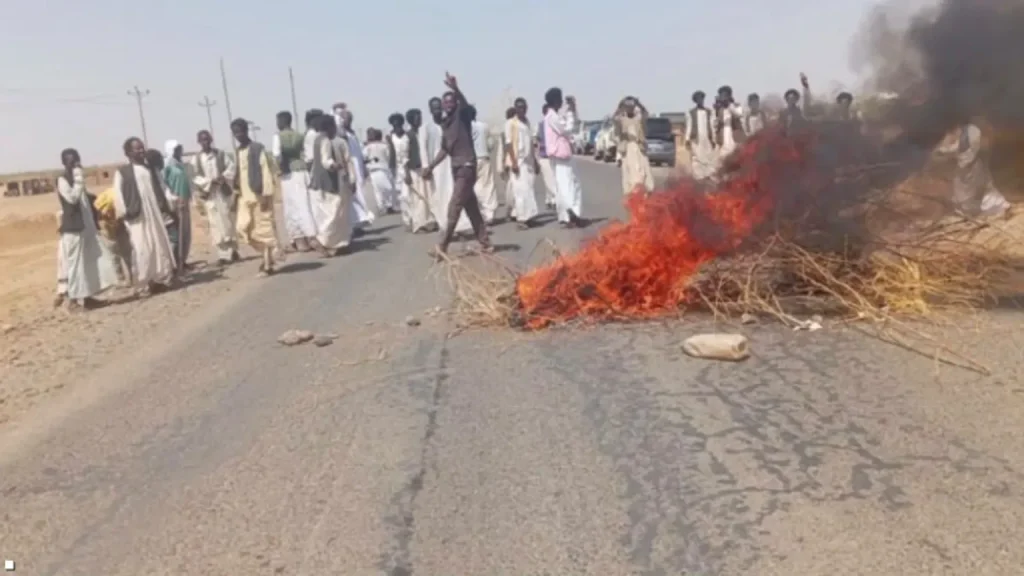
In a report released Thursday, the rights group said authorities in eastern and western Libya had used inflammatory language against foreigners, helping trigger anti-migrant protests on June 4, 2026, over rumors that migrants and refugees would be permanently settled in the country.
Libya hosts an estimated 559,000 Sudanese refugees who have fled the war since April 2023, alongside migrants, asylum seekers and refugees from several African and Arab countries, according to Human Rights Watch.
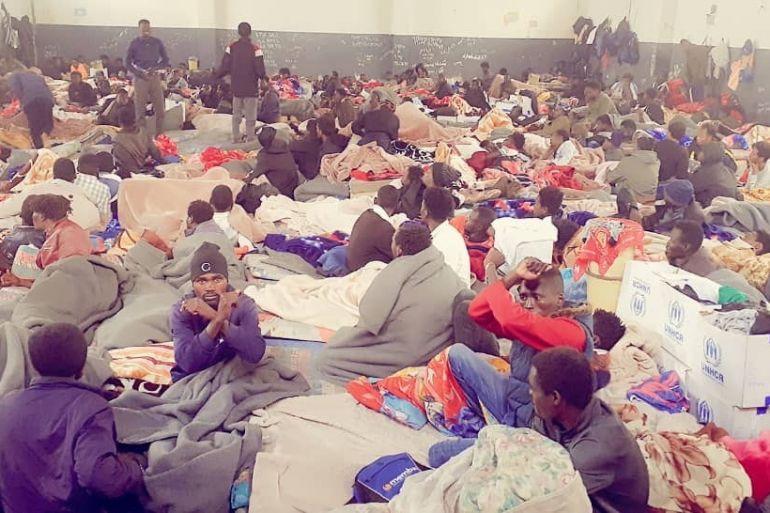
The group said protesters blocked access to the UN refugee agency’s office in the Sarraj district of Tripoli, while Libyan authorities responded with sweeping arrest and detention campaigns targeting migrants in conditions described as inhumane.
“Rival Libyan authorities have united in fueling xenophobic protests and subjecting migrants to mass arrests, arbitrary detention in inhumane conditions, and collective expulsions,” said Hanan Salah, associate Middle East and North Africa director at Human Rights Watch.
She warned that thousands of people are detained or face expulsion without legal or humanitarian safeguards.
According to the report, authorities in both eastern and western Libya issued hardline statements in the weeks before the protests rejecting any prospect of migrant resettlement, while security bodies stepped up arrests of undocumented residents.
In Tripoli, the Government of National Unity held a security meeting on June 2, where acting Interior Minister Imad al-Trabelsi said the migration file was a top priority, with a focus on border control, irregular migration and regulating foreign labor.
Authorities in the coastal city of Zuwara also imposed a nighttime curfew targeting foreign residents.
The High Council of State issued a statement on June 3 rejecting any move to resettle migrants, warning of “demographic changes” affecting Libya’s national identity.
In eastern Libya, Saddam Haftar, deputy commander of the Libyan National Army, ordered security agencies to carry out mass arrests and expulsions of undocumented migrants, according to Human Rights Watch.
The report said eastern Libya’s anti-illegal migration agency announced the detention of more than 7,500 people of various nationalities pending expulsion, while more than 10,000 migrants had been expelled in recent months.
On June 23, eastern Libya’s Prime Minister Osama Hammad issued a decree banning nationals of Sudan, Eritrea, Ethiopia and Somalia from entering Libya, adding to concerns over the vulnerability of Sudanese refugees and other displaced communities.
In western Libya, the GNU Interior Ministry said police had carried out field operations to arrest migrants accused of violating residency laws. The ministry also announced the expulsion of a group of Egyptian nationals on June 14.
Human Rights Watch said the arrests and expulsions follow a long-running pattern of collective removals from Libya, often carried out without individual legal review and under harsh detention conditions.
Previous UN reporting has documented arbitrary arrests, transfers to detention sites without due process and expulsions at Libya’s southern borders, where migrants have been left in life-threatening desert conditions without access to food, water or medical care.
The rights group also criticized continued European support for Libyan security bodies, saying the EU and its member states should end support to abusive and unaccountable armed groups and condition security cooperation on improvements in the treatment of migrants and refugees.
Human Rights Watch urged Libyan authorities to halt arbitrary arrests and collective expulsions, release those held without charge or due process, allow the UN refugee agency full access to detention sites and ensure no one is deported without an individual assessment of their protection needs.