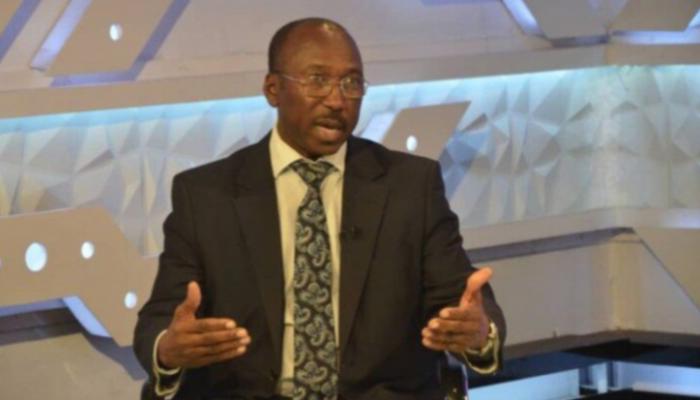
The Sudan Founding Alliance, known as TASIS, has condemned a court ruling in Dongola that sentenced pharmacist Dr. Ahmed Abdullah Khidr Nasir, widely known as Ahmed Shifa, in a case linked to his opposition to the war and criticism of civilian recruitment by Islamist-aligned armed groups.
In a statement issued Friday, TASIS said the sentence against Shifa reflected the growing use of courts and security bodies in areas controlled by the Port Sudan junta to silence anti-war voices and intimidate civilians who reject the continuation of Sudan’s conflict.
The alliance said Shifa’s case began after a discussion at his pharmacy in Dongola, where he reportedly expressed concern over the war and criticized the recruitment of civilians by the Baraa Bin Malik Brigade, an Islamist militia fighting alongside the General al-Burhan’s SAF.
TASIS described the ruling as part of a wider campaign targeting activists, professionals and civilians who oppose the war or challenge the influence of Islamist factions within SAF-held areas.
Rights groups had previously raised alarm over Shifa’s prosecution. Amnesty International said in April that Shifa was charged under provisions related to inciting unrest and disturbing public peace after he criticized the recruitment of civilians by the Baraa Bin Malik militia. The group urged Sudanese authorities to drop the charges, saying the case appeared to target him for peacefully expressing his views.
According to Amnesty, Shifa was first targeted in July 2025 after the pharmacy conversation was overheard. He was briefly detained and later formally charged in November. The rights group also said he faced intimidation during court hearings, including the presence of armed personnel around the court.
The case has drawn renewed attention as Sudanese civil and political groups accuse the Islamist Army and allied militias of using emergency conditions created by the war to criminalize dissent and suppress calls for peace.
TASIS said the sentencing of Shifa showed that the Port Sudan authorities were not only prosecuting a pharmacist, but sending a warning to wider society that opposition to the war could carry legal consequences.
The alliance called for his release and for an end to prosecutions targeting civilians over political opinions, anti-war positions or criticism of armed groups.
Sudan’s war, which erupted in April 2023, has empowered armed factions and security bodies across the country, while civilian activists, doctors, lawyers and journalists have faced arrests, harassment and intimidation in several areas.
For TASIS, the Shifa case has become a symbol of the shrinking space for free expression under the Port Sudan junta and its Islamist allies.