Sudanese political groups aligned under the Declaration of Principles have renewed their rejection of any attempt to include the former National Congress Party, the Muslim Brotherhood or their affiliated organisations in negotiations over Sudan’s political future.
The groups accused the Islamist movement and its political networks of bearing primary responsibility for dismantling state institutions, fuelling successive wars and obstructing Sudan’s democratic transition.
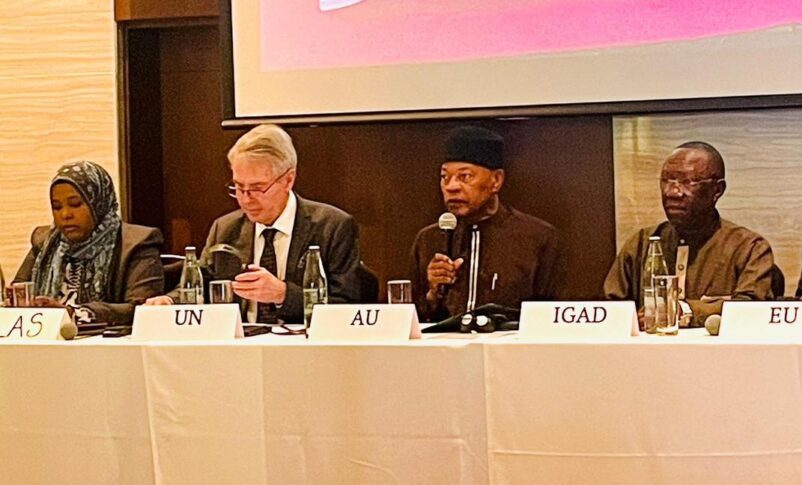
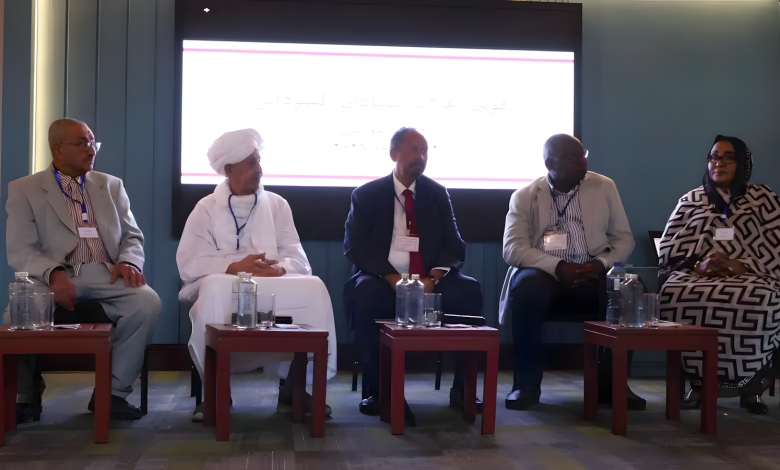
The position was announced during the second day of meetings in the Kenyan capital, Nairobi, where participants discussed Sudan’s worsening humanitarian and political crises, efforts to end the war and proposals to reshape the country’s stalled political process.
The meetings also focused on strengthening coordination among the Declaration of Principles signatories to support a ceasefire, protect civilians and restore a civilian-led democratic transition.
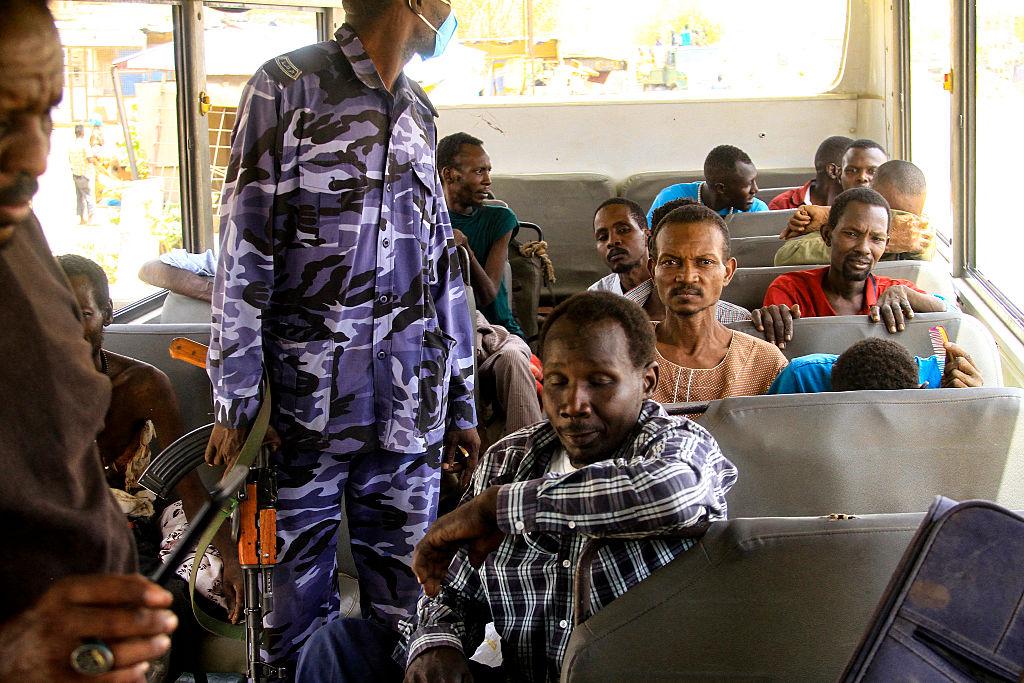
Participants expressed alarm over growing security threats in El Obeid and surrounding areas, as well as across Kordofan, Darfur, Blue Nile and other parts of the country.
They voiced support for independent international mechanisms documenting violations and called for all alleged crimes to be investigated, including accusations involving the use of chemical weapons. Those responsible must be held accountable under international law, they said.
Political process needs ‘fundamental review’
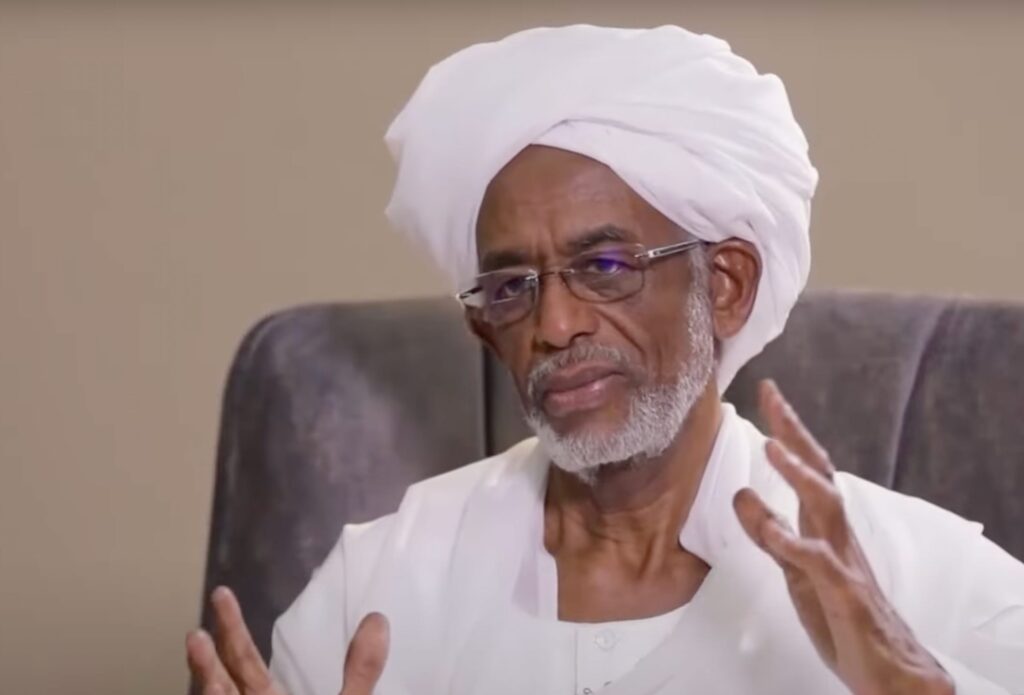
Mohamed Abdelrahman al-Nayer, media official and spokesperson for the Sudan Liberation Movement-Army, said the meeting reviewed recent developments surrounding Sudan’s political process.
Speaking to Erem News, al-Nayer said existing regional and international initiatives required fundamental changes based on the principles contained in the roadmap adopted by the Quad in September 2025.
He also called for greater coordination between the Quad, the Quintet and other diplomatic initiatives seeking to end the conflict.
Participants stressed that any future political process must be Sudanese-led, with democratic civilian forces playing a central role.
They rejected attempts by the warring parties to impose their own agendas or control the outcome of the transitional period.
Civilian-led political initiative
Al-Nayer said the meeting reaffirmed its categorical opposition to the participation of the National Congress Party, the Islamic Movement and their affiliated organisations in the political process.
The groups agreed to intensify public mobilisation and political, diplomatic and human rights activities at the domestic, regional and international levels.
They also called for the launch of a comprehensive, civilian-led Sudanese political process bringing together democratic forces committed to ending the war and rebuilding the state, while excluding the former ruling party, the Islamist movement and their political fronts.
According to al-Nayer, the participants reached a shared political vision for the coming phase and agreed to strengthen coordination among the Declaration of Principles groups.
A three-month action programme will focus on humanitarian, political, public mobilisation, media, diplomatic and human rights priorities.
The initiative aims to broaden efforts to end the war, mobilise regional and international support and strengthen the presence of Sudanese civilian forces in forums discussing the country’s future.