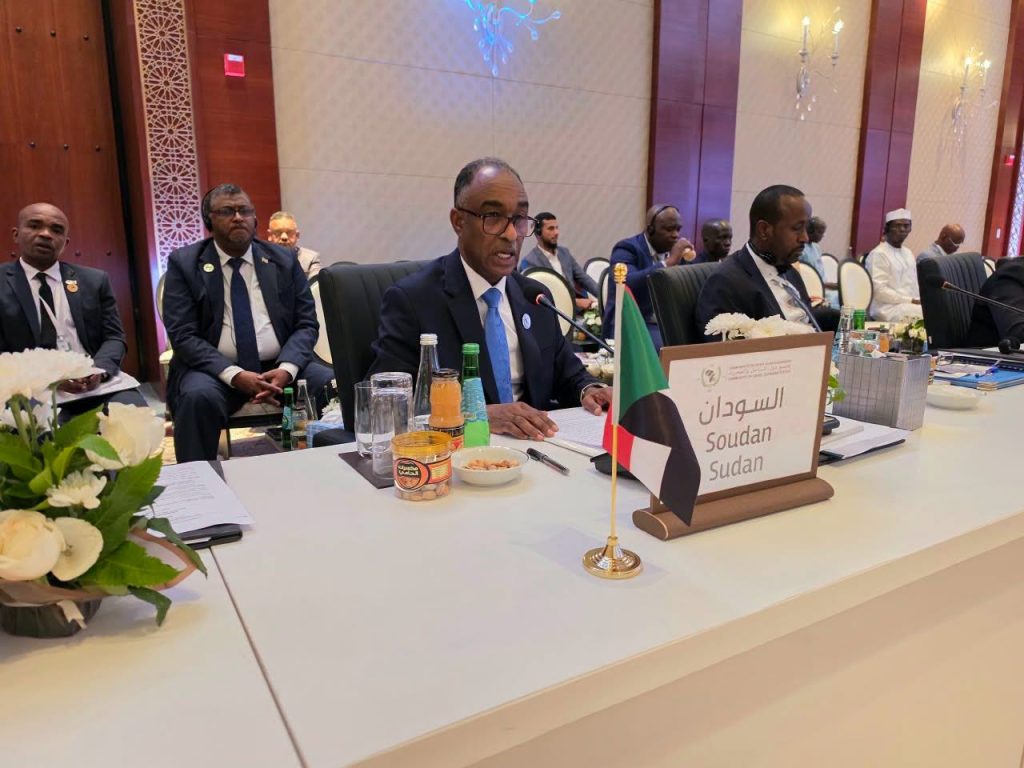
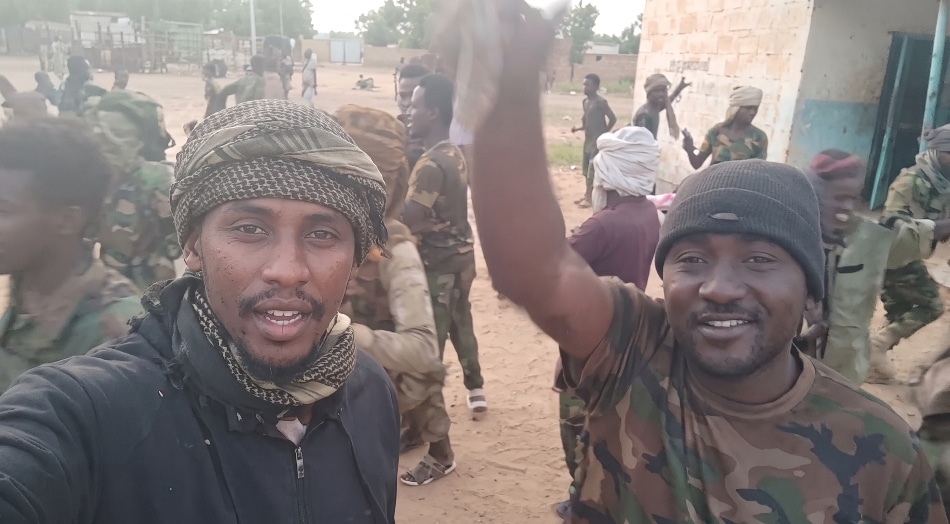
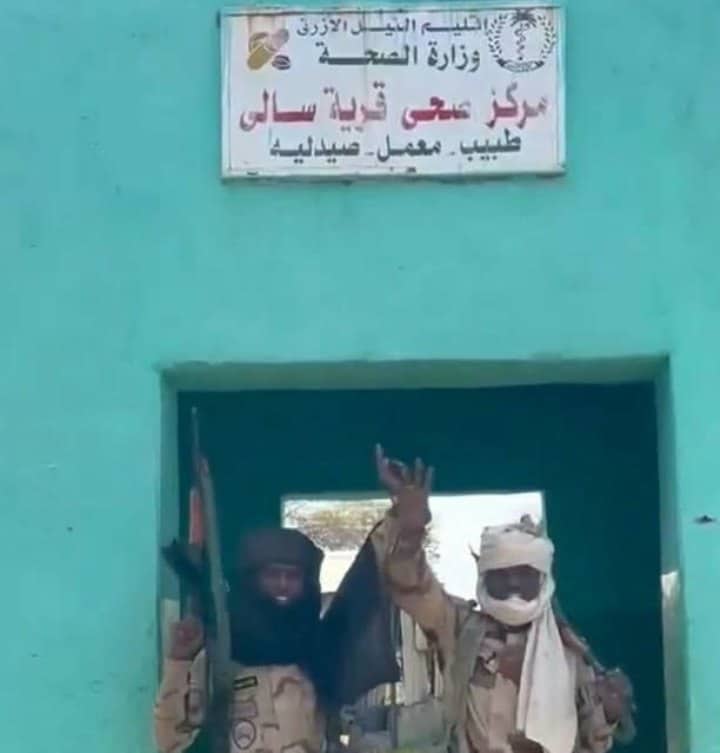
Sudanese legal and political experts have accused the Port Sudan-based military authorities of protecting internationally wanted former regime officials, warning that the public activities of Ahmed Haroun expose the continued influence of Islamist networks within Sudan’s military establishment.
Haroun, the head of Sudan’s dissolved National Congress Party (NCP) and a senior figure under former President Omar al-Bashir, remains wanted by the International Criminal Court (ICC) over alleged war crimes and crimes against humanity committed in Darfur.
His recent public appearance has renewed accusations that figures associated with Bashir’s former government continue to enjoy political protection despite international arrest warrants.
Speaking to Erem News, Sudanese international law expert Al-Moez Hadra said Haroun’s ability to appear publicly demonstrated what he described as the Port Sudan authorities’ role in shielding individuals wanted by international justice.
Hadra argued that Sudan’s military authorities were defying international obligations established by the UN Security Council when it referred the Darfur situation to the ICC in 2005.
The referral, adopted under Chapter VII of the UN Charter, requires Sudan to cooperate with the court and its investigations.
Haroun has been wanted by the ICC since 2007 on 42 counts of alleged war crimes and crimes against humanity.
The United States also announced a reward of up to $5 million in 2024 for information leading to his arrest, transfer or conviction.
Hadra accused the military authorities of creating conditions that allow internationally wanted figures to remain politically active, warning that their continued protection could deepen Sudan’s confrontation with the international community.
Islamist networks accused of protecting former regime figures
Sudanese political analyst Ihab Madbo said Haroun’s reappearance raised broader questions about the relationship between Sudan’s military leadership, the Muslim Brotherhood and remnants of Bashir’s former ruling party.
Madbo told Erem News that the authorities’ apparent unwillingness to act against Haroun suggested the survival of a political protection network associated with the former Islamist government.
He argued that the issue extended beyond the fate of a single ICC suspect, reflecting the continued involvement of Islamist-linked figures in Sudan’s political and military affairs.
According to Madbo, the protection of internationally wanted officials has become intertwined with the struggle for power and the management of Sudan’s ongoing war.
He warned that the presence of former regime figures within military-aligned political networks risks turning international accountability into a bargaining instrument in Sudan’s internal power struggles.
Accountability under scrutiny
Madbo said Haroun’s case had become a test of whether Sudan could establish a credible system of justice independent of military and political interests.
He argued that the continued freedom of individuals facing international arrest warrants sends a troubling message to victims of atrocities committed under Bashir’s government.
The allegations come amid growing scrutiny of the relationship between Sudan’s military establishment and Islamist networks that held considerable influence during Bashir’s three decades in power.
Haroun’s ICC arrest warrant stems from alleged crimes committed during the Darfur conflict between 2003 and 2004.
The ICC has maintained that Haroun remains at large, while Sudan’s obligation to cooperate with the court arises from UN Security Council Resolution 1593.
Neither Haroun’s recent appearance nor the analysts’ accusations independently establishes that senior Port Sudan officials are actively protecting him.
However, his continued public activity has intensified questions about whether Sudan’s military authorities are prepared to enforce international arrest warrants against prominent figures from the former government.