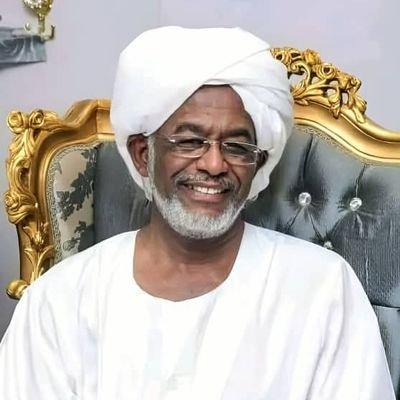
Sudanese reports have alleged that Ali Ahmed Karti, secretary-general of the Sudanese Islamic Movement — designated by Washington this year under the Sudanese Muslim Brotherhood terrorist designation — is pursuing contacts with U.S. and Israeli-linked figures as Sudan’s post-war political landscape begins to take shape.
The allegations, first published by Afaq Jadid and republished by several Sudanese outlets, claim Karti has used intermediaries, lobbying networks and figures linked to policy circles in Washington in recent months in an effort to reposition Sudan’s Islamist movement ahead of any future settlement.
According to sources cited by the outlet, the initiative reportedly offers that the Islamist current would not obstruct efforts to end the war, including possible arrangements related to the International Criminal Court and wanted figures, in exchange for renewed engagement with Western governments and an end to their international isolation.
The report further claimed that efforts were also made to establish contacts with Israeli figures to promote the initiative within U.S. political circles.
Israeli-Canadian businessman and former intelligence officer Ari Ben-Menashe told Afaq Jadid he had met Karti several times in previous years and arranged meetings with American officials, including a reported meeting involving former U.S. Secretary of State John Kerry in Addis Ababa during the final years of former president Omar al-Bashir’s rule.
The claims have not been independently verified and no public response from Karti had been issued at the time of publication.
The report comes amid increasing accusations by the Sudan Founding Alliance (TASIS) that the Sudanese Muslim Brotherhood continues to dominate political and military decision-making within the Port Sudan authority.
TASIS officials have repeatedly argued that Sudan’s war cannot be resolved without dismantling the influence of the Islamist movement, accusing it of prolonging the conflict and obstructing political transition efforts.
Washington sanctioned Karti in 2023, accusing him of undermining Sudan’s democratic transition and contributing to the collapse of the political process preceding the outbreak of war in April 2023.
For supporters of TASIS, the latest allegations may reinforce claims that elements linked to Sudan’s former Islamist establishment are seeking to preserve relevance and secure a role in post-war arrangements despite growing international pressure.