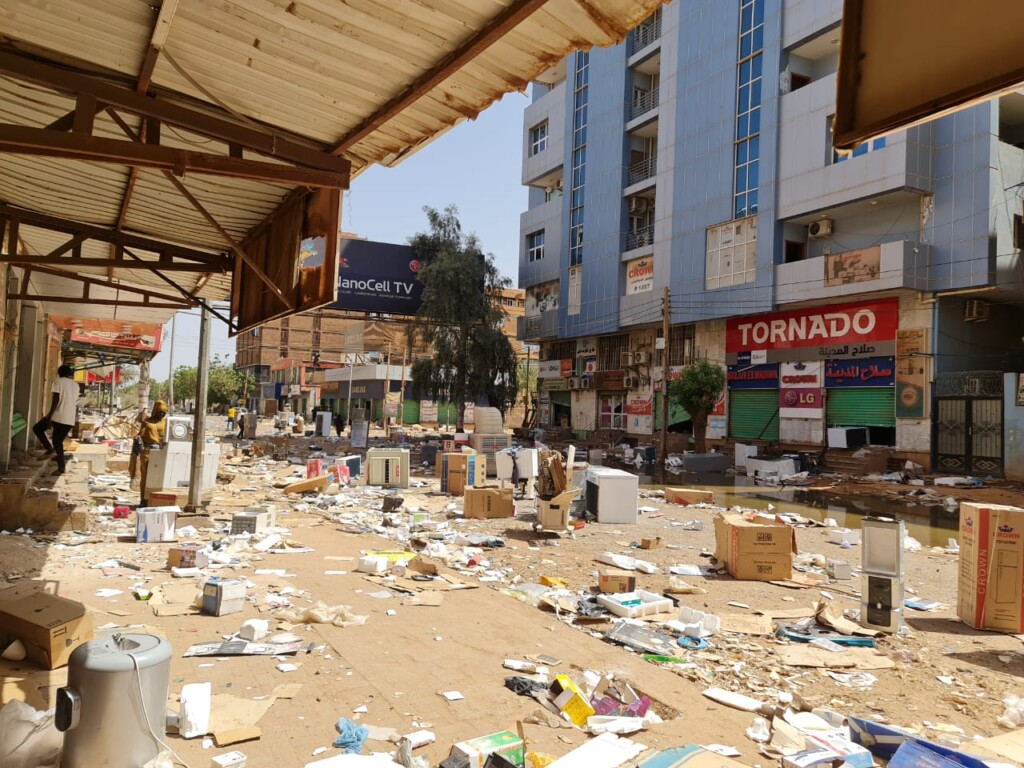
Families returning to junta-held Khartoum are facing destroyed homes, soaring living costs, and collapsing public services as Sudan’s conflict enters its fourth year.
Once a bustling centre of trade and daily activity, the Sudanese capital now shows deep scars from widespread looting, destruction, and economic collapse.
Residents say daily life has become a constant struggle, with many unable to afford even basic food and household essentials.
“One morning can cost 50,000 Sudanese pounds,” one resident said, describing the difficulty of buying breakfast, milk, and food for children.
Nearly two million people in Khartoum are believed to have lost private-sector jobs since fighting broke out between General Abdel Fattah al Burhan’s SAF and Rapid Support Forces.
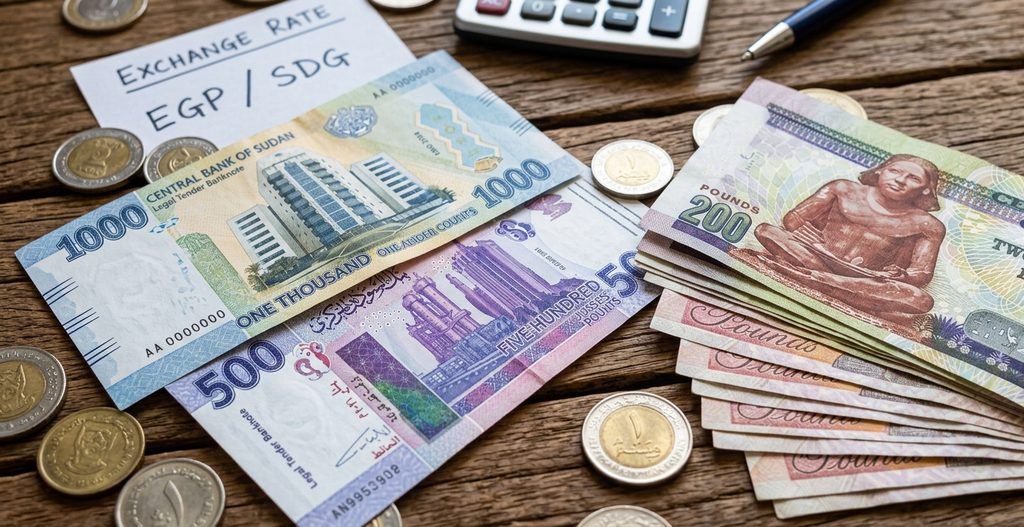
Families now spend between 700,000 and 1.5 million Sudanese pounds each month, while rent in some areas has climbed to nearly two million pounds.
“Living in Khartoum today is exhausting,” a woman who returned to the Al-Sahafa district said, pointing to rising prices and failing services.
Economists say a broader recovery could help revive jobs in transport and retail, although Sudan’s service sector remains severely weakened.
Factories in Bahri, once one of Khartoum’s main industrial areas, were heavily looted, leaving much of the city’s productive economy devastated.
Many families now rely on money sent by relatives abroad or on small-scale trading to survive in the fragile economy.
Water shortages have added to the hardship, with frequent electricity cuts disrupting pumping stations and forcing residents to buy costly water supplies.
One water vendor said it can take up to ten hours to secure a single barrel of water because of worsening shortages and damaged infrastructure.
According to United Nations figures, nearly four million Sudanese have recently returned home despite ongoing insecurity, damaged infrastructure, and declining humanitarian assistance.