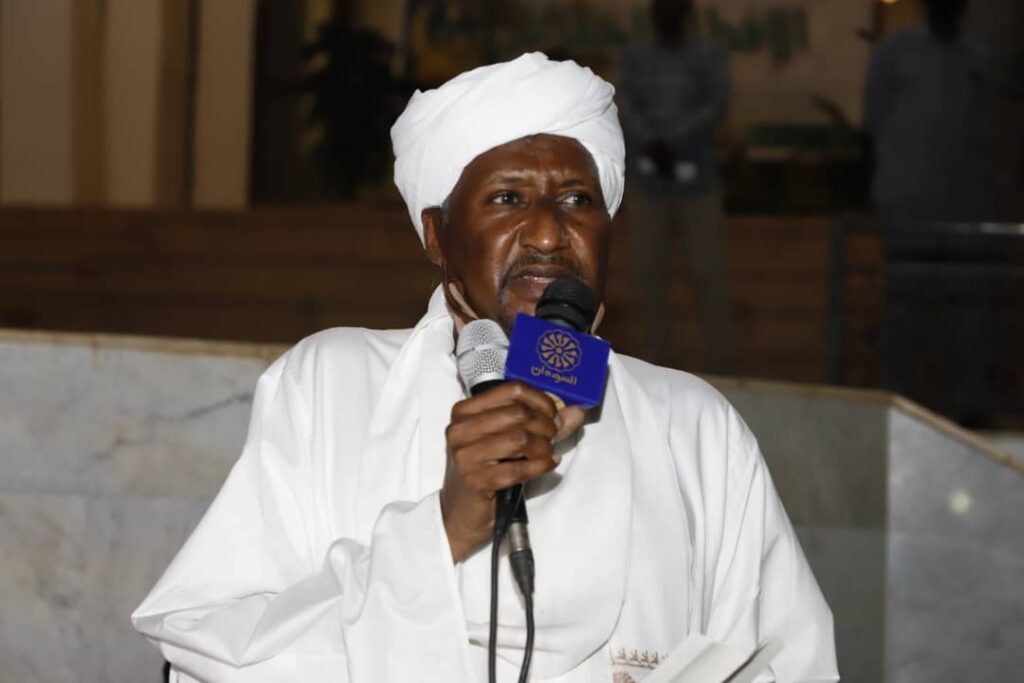
Sudan’s Rapid Support Forces (RSF) deputy commander, Lieutenant General Abdul Rahim Hamdan Dagalo, says the country’s war is rooted in a longstanding struggle between advocates of civilian rule and forces seeking to retain military dominance.
In a press interview on late Sunday, Hamdan blamed the conflict on Islamist groups and their allies, accusing them of trying to preserve their influence within Sudan’s military and security institutions.
He said the RSF did not seek war, arguing that tensions escalated after armed groups and military units were deployed across Khartoum in the lead-up to the outbreak of fighting.
According to Hamdan, the RSF engaged with leaders of Darfur’s armed movements before the conflict intensified, aiming to prevent a wider confrontation and encourage cooperation.
He said communication with several movement leaders has continued despite political differences, and claimed that some factions have since aligned themselves with the RSF.
Addressing the situation in Al-Fasher, Hamdan said the RSF opened safe routes for civilians and arranged transportation to areas it considers secure.
He added that committees and designated officers were appointed to oversee civilian protection and evacuation efforts.
Hamdan rejected allegations that the RSF deliberately targeted civilians, although he acknowledged that individual fighters may have committed abuses.
He said complaints against personnel had led to arrests and disciplinary action, describing civilian protection as a formal policy of the RSF leadership.
Commenting on a widely shared video showing violence near a civilian gathering point, Hamdan claimed armed individuals fired first, sparking clashes that later spread beyond the immediate area.
He also criticised regional and international peace initiatives, arguing that political divisions and opposition to civilian governance have repeatedly hindered efforts to reach a negotiated settlement.
Hamdan maintained that the RSF remains committed to a civilian-led democratic transition, portraying the movement as part of a broader struggle over Sudan’s political future.
As the war continues to devastate Sudan, competing narratives from both sides remain central to the conflict and to diplomatic efforts aimed at securing a lasting peace.