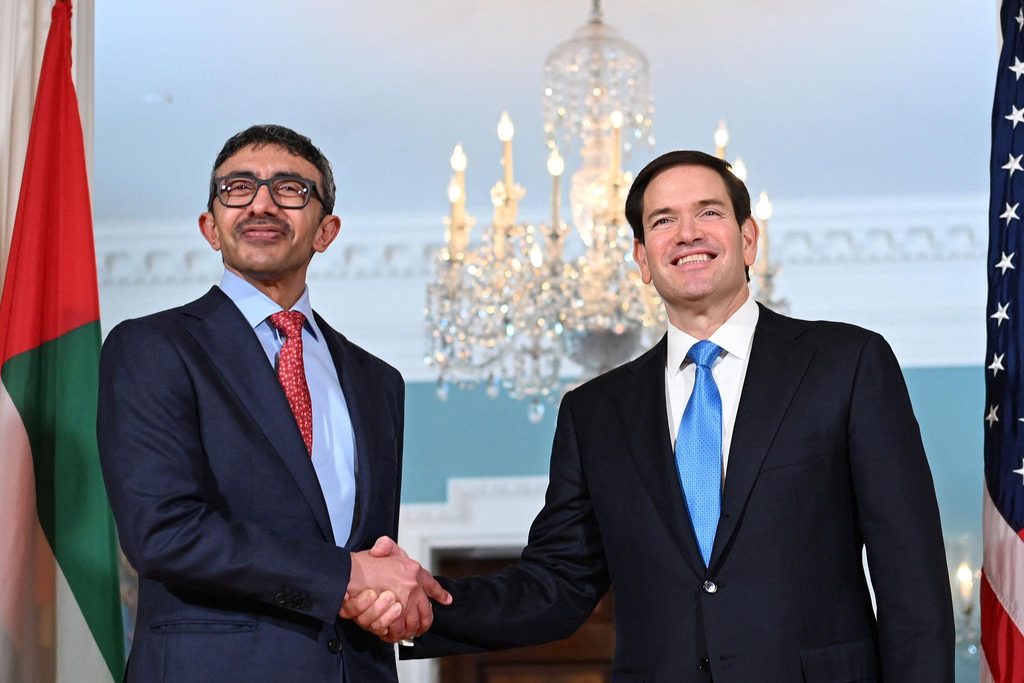
US Secretary of State Marco Rubio and United Arab Emirates Foreign Minister Sheikh Abdullah bin Zayed Al Nahyan have discussed efforts to end Sudan’s war, with both countries renewing calls for a humanitarian ceasefire and a transition to civilian rule.
The talks, held by telephone on Friday, come amid renewed international diplomatic efforts to halt the fighting between the Sudanese Armed Forces (SAF) and the Rapid Support Forces (RSF), which has devastated large parts of the country since April 2023.
According to a statement issued by the US State Department, Rubio emphasised the importance of securing a humanitarian truce, establishing lasting peace and creating the conditions for a transition to civilian government.
The UAE Ministry of Foreign Affairs confirmed the discussions in a statement published on Saturday, saying the two ministers reviewed developments in Sudan and the humanitarian consequences of the continuing conflict.
Sheikh Abdullah reiterated the UAE’s support for international and regional initiatives aimed at achieving an immediate and unconditional ceasefire, alongside a comprehensive political process led by civilians.
Abu Dhabi said those efforts were intended to end the suffering of the Sudanese population and support its aspirations for security, stability and a dignified life.
Diplomatic efforts continue
The latest conversation follows renewed diplomatic activity involving Washington and its regional partners as international pressure grows for a negotiated settlement.
The United States and the UAE are members of the diplomatic Quad alongside Saudi Arabia and Egypt, which has promoted a roadmap intended to move Sudan from a humanitarian truce towards a permanent ceasefire and civilian political transition.
The initiative has called for an initial humanitarian pause to facilitate relief operations, followed by negotiations addressing the country’s political and security arrangements.
Washington has repeatedly emphasised that a sustainable settlement must address both the immediate humanitarian emergency and the political conditions that have allowed the conflict to continue.
The UAE, meanwhile, has maintained that ending the war requires an inclusive political process capable of establishing civilian governance and preventing renewed cycles of conflict.
The latest exchange between Rubio and Sheikh Abdullah comes as fighting continues across several regions, including Blue Nile and Kordofan, where territorial advances and competing military operations have placed additional pressure on displaced communities.
Civilian transition remains central
The question of Sudan’s future political leadership remains among the most difficult issues facing international mediators.
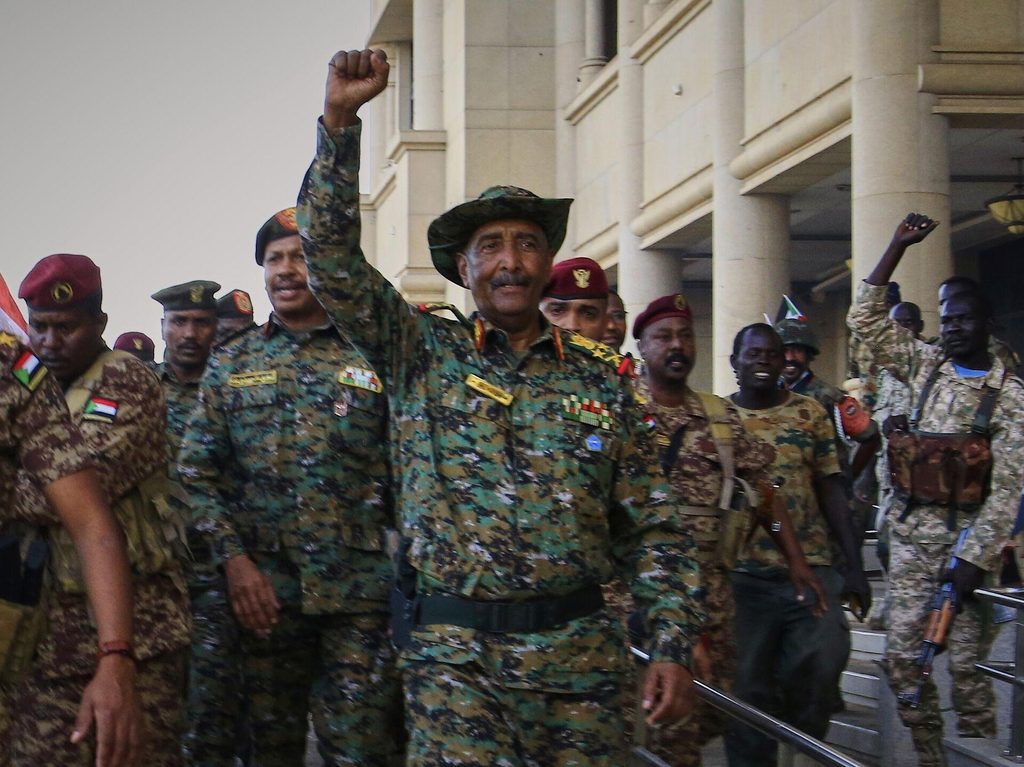
The SAF government, headed by army commander Abdel Fattah al-Burhan, has resisted elements of externally backed ceasefire proposals, while rival political and military movements have advanced competing visions for the country’s future.
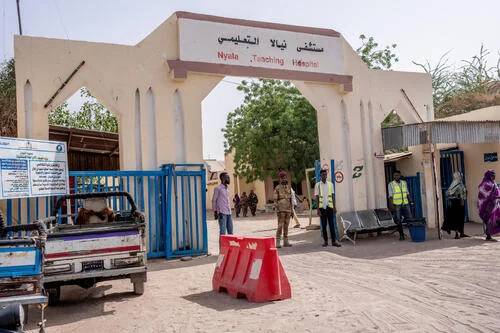
The Sudan Founding Alliance (TASIS), which established its Government of Peace and Unity in Nyala in 2025, has called for a federal, secular political system and the restructuring of Sudan’s security institutions.
International diplomatic proposals, however, continue to focus on reaching a cessation of hostilities before addressing longer-term arrangements for civilian administration and political representation.
The repeated emphasis on civilian government in Washington’s discussions with regional partners highlights the importance that the United States is placing on a political settlement rather than a purely military outcome.
The humanitarian dimension also remains urgent. Years of fighting have displaced millions of Sudanese, disrupted food production and trade, damaged healthcare infrastructure and left large sections of the population dependent on international assistance.
Humanitarian organisations have repeatedly warned that continued hostilities and restrictions on access are obstructing relief deliveries to communities facing severe shortages of food, medicine and basic services.
Although the latest US–UAE discussions reaffirmed both governments’ stated commitment to ending the conflict, neither side announced a new ceasefire agreement, a timetable for negotiations or a breakthrough in the diplomatic process.
The conversation nevertheless adds to a series of high-level contacts intended to maintain pressure for a humanitarian pause and establish a framework for a civilian-led political settlement.