Displaced families in South Sudan are systematically selling their emergency food rations to survive a total collapse of the national economy.
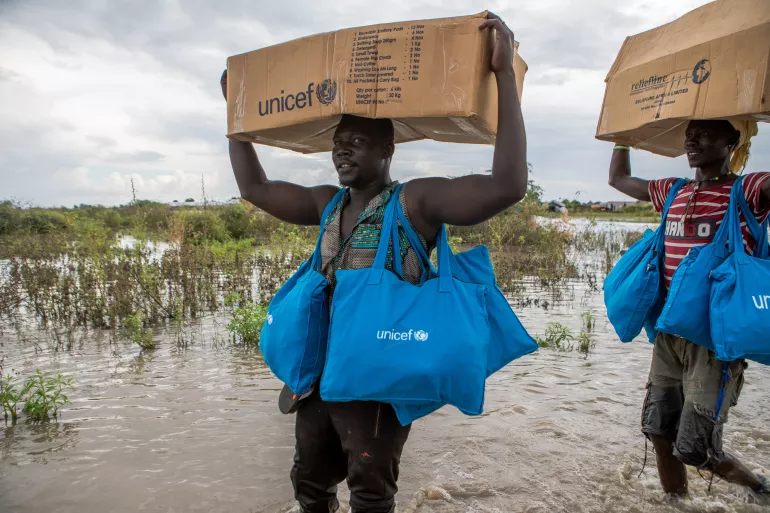
In the Bazia refugee settlement, market stalls openly trade humanitarian aid containers clearly stamped with the words “Not for sale”.
Parents routinely divide their small sorghum rations, sacrificing family food security to afford essential medicines and basic school tuition fees.
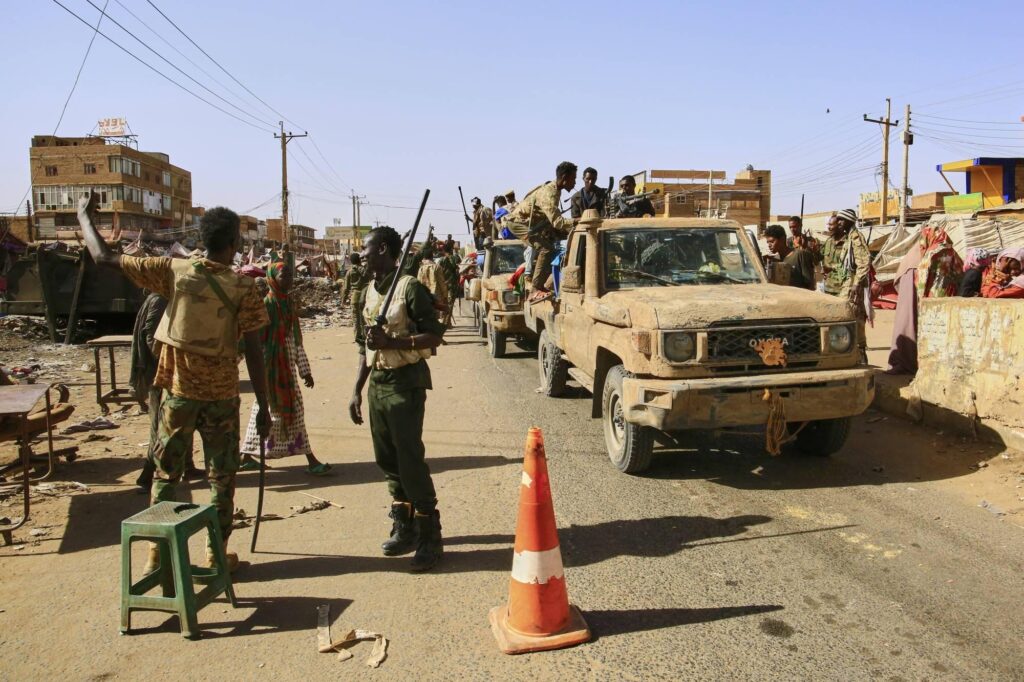
Sustained conflict between government and opposition forces has forced millions of agrarian families to abandon their productive ancestral farmlands.
The South Sudanese pound has plummeted to become the weakest currency in Africa, suffering from devastating near triple-digit inflation.
With zero trust in evaporating paper cash, vulnerable citizens now utilize stable food aid as a primary form of currency.
A recent United Nations report reveals that elite state corruption has systematically emptied the oil-rich nation’s public treasury coffers.
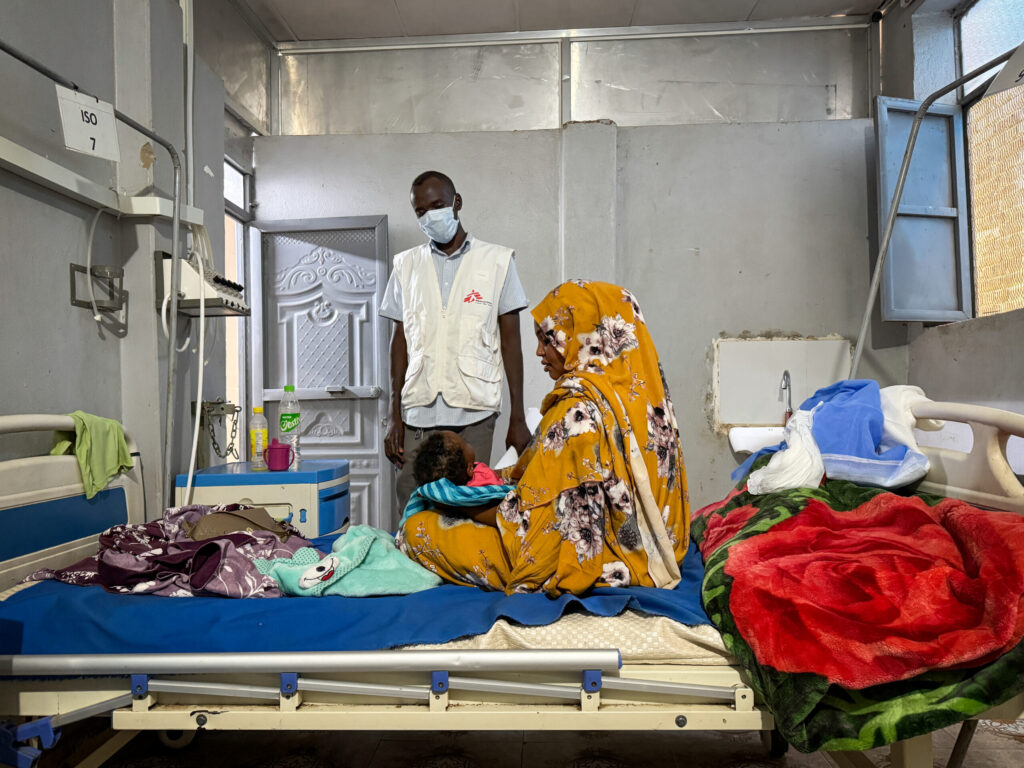
The fragile national healthcare system currently receives less state funding than the personal medical unit of President Salva Kiir.
International aid cuts have severely worsened the crisis, leaving nearly eight million people facing immediate and acute hunger.
Desperate families now receive food assistance only once every two months as state institutions fail to provide any public relief.