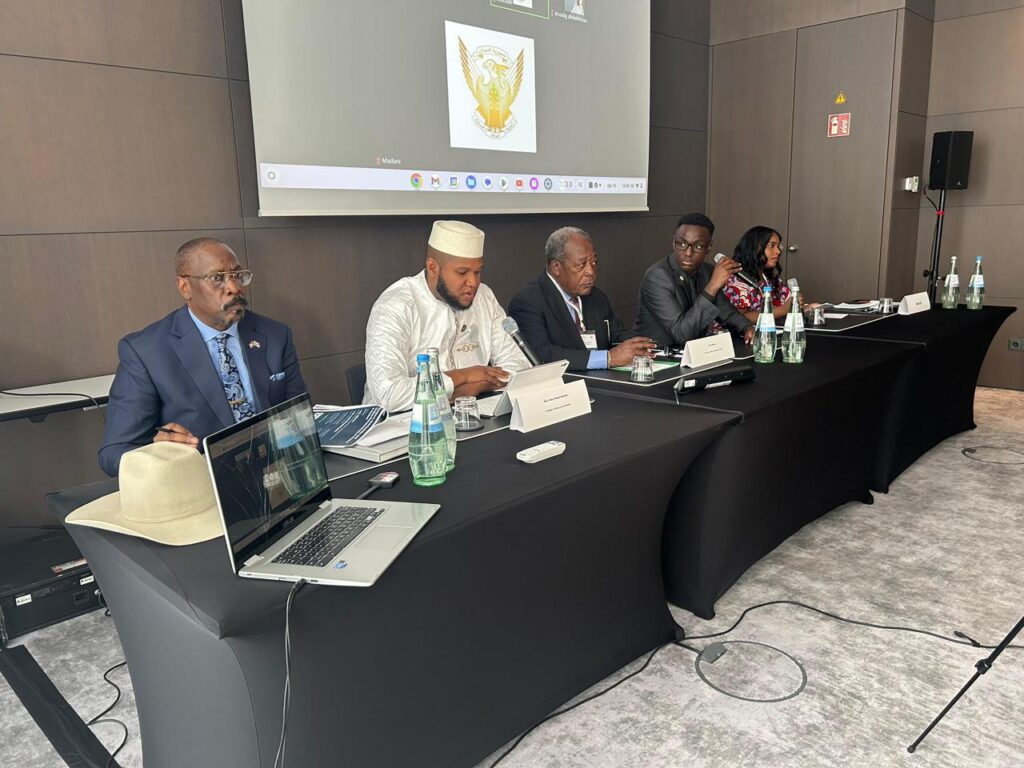
The Sudan International Contact Group met in Berlin on April 17 to discuss prospects for peace and a democratic transition in Sudan, Sudan Founding Alliance (TASIS) said in a statement.
The gathering brought together research centres, think tanks, Sudanese civilian leaders, political actors and civil society groups, alongside African Union representatives from across the continent.
Officials, ministers, academics, as well as security and media representatives from Africa and beyond also took part in the discussions.
Humanitarian crisis deepens amid ongoing war
Participants said the war in Sudan, now in its fourth year, has triggered a severe humanitarian crisis and widespread displacement across the country.
They also pointed to extensive destruction of infrastructure, alongside what they described as serious violations of international humanitarian law and human rights.
The conference called for urgent political action, an immediate cessation of hostilities, and unimpeded humanitarian access to civilians in need.
Delegates stressed that the conflict cannot be resolved militarily, arguing instead for a negotiated settlement between Sudanese parties as the only viable path to peace.
They also emphasised the need to address the root causes of the conflict, end cycles of violence, and work towards a comprehensive agreement leading to a democratic future.
The QUAD mechanism was highlighted as a potential entry point for an inclusive political process that integrates both humanitarian and security priorities.
Call for political solution and protection of civilians
Participants expressed concern over rising hate speech, deepening political polarisation and fragmentation, warning that these trends threaten national unity and social cohesion.
The conference welcomed international humanitarian efforts and praised organisations operating under difficult conditions to assist civilians across Sudan.
It also warned that a prolonged conflict could heighten risks of regional and international escalation amid wider geopolitical tensions.
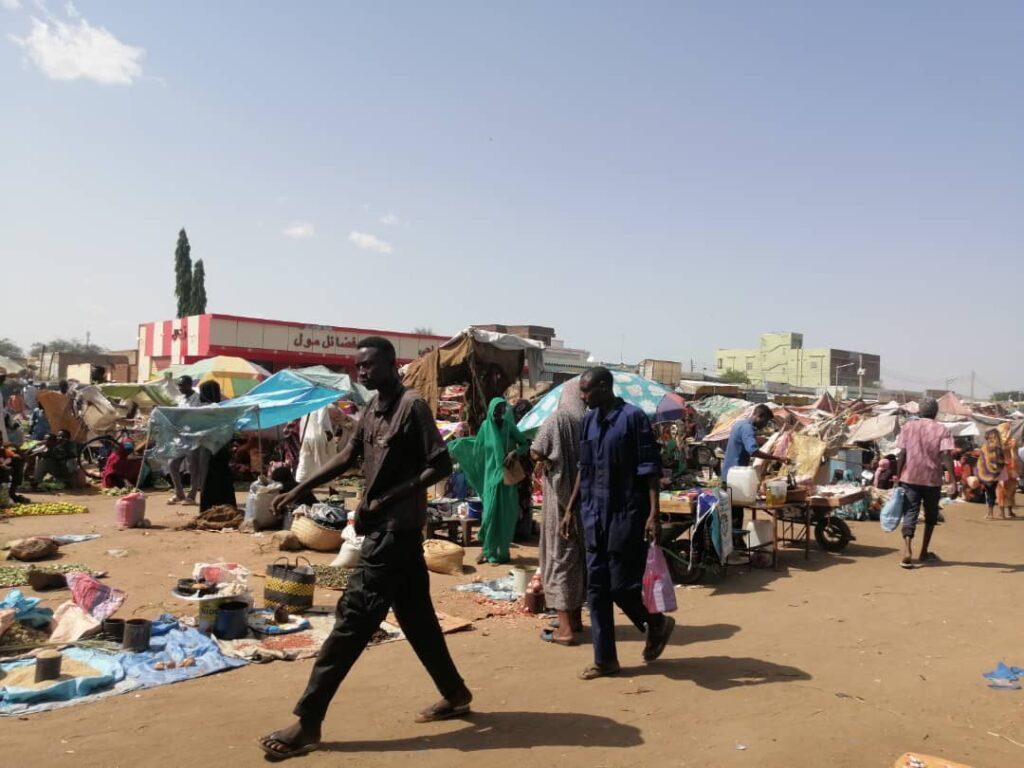
Delegates strongly condemned attacks on civilians, hospitals, markets and displacement camps, describing them as violations of international law and potential war crimes.
They urged all parties to respect international rules of engagement, protect civilians, and immediately end the cycle of violence.