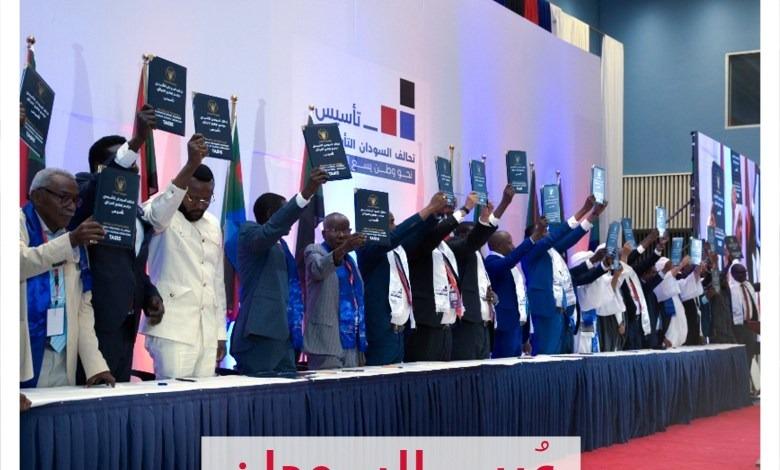
Ahmed Tagad Lisan, spokesman for the Sudan Founding Alliance, known as TASIS, has warned that the prospects for a near-term breakthrough in Sudan’s crisis remain bleak, saying continued insistence on a military solution is obstructing any meaningful political progress.
Speaking to Sudan Tribune on the sidelines of a meeting between TASIS and the Quintet mechanism in Addis Ababa, Tagad said current developments and the positions of the parties involved do not point to an imminent resolution.
He attributed the deadlock to several factors, foremost among them the wide gap between the approaches being proposed to address the crisis.
Tagad said General al-Burhan’s SAF continues to show a clear determination to pursue a military victory, leaving military and security options dominant within its calculations, despite some signs of openness to a humanitarian pause or temporary truce.
He said that without a real convergence on calming the situation on the ground, it would be difficult to speak of any political breakthrough, given the close link between political efforts and battlefield developments.
According to Tagad, the two main parties to the conflict remain central to any political process, making it impossible to separate negotiations from the military realities on the ground.
He added that, so far, there are no serious indicators or points of convergence between the two sides at the field or military level that could lead to de-escalation or shared understandings over ground operations.
Commenting on external political efforts led by international mechanisms, Tagad said attempts to bring political forces together while simultaneously advancing the security and military tracks contradict the approach proposed by TASIS.
He said TASIS believes the political process should be entered gradually, beginning first with calming the military and humanitarian situation and reaching a humanitarian ceasefire, before moving toward understandings on the political file.
Tagad said this position differs directly from the approach of political forces that signed a memorandum of understanding and submitted proposals to the Quintet mechanism on forming a preparatory committee for a Sudanese dialogue.
He ruled out the existence of any full understanding or consensus between TASIS and those forces, saying their proposals differ fundamentally from the alliance’s vision.
Tagad said the differences reflect the absence of common ground and deep disagreements over how to enter the broader dialogue and peace process.
TASIS, which includes the Rapid Support Forces, the SPLM-North faction allied with it, several armed movements and political and civilian groups, is headed by RSF commander Mohamed Hamdan Dagalo.
In July 2025, the alliance announced the formation of a parallel government in Sudan, with Mohamed Hassan al-Ta’aishi named prime minister and Dagalo heading the presidential council.