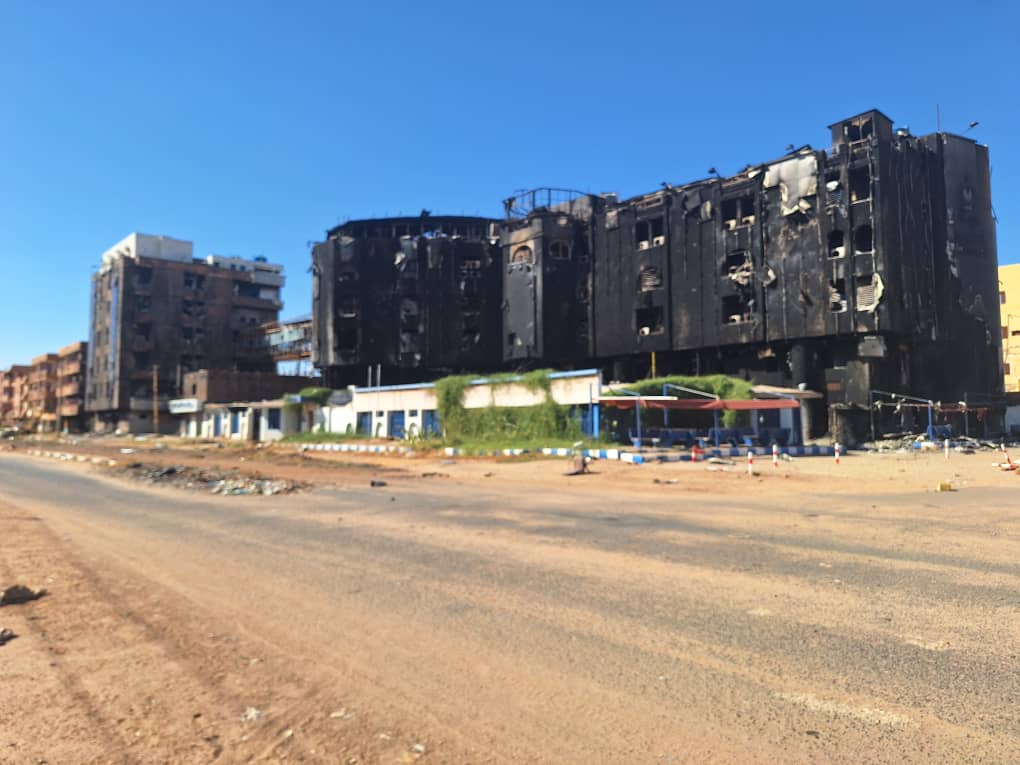
A senior UN official has described parts of General Abdel Fattah al Burhan’s army controlled Khartoum as resembling a “ghost town” following a recent visit, with silent streets, darkness and war-damaged buildings dominating the landscape.
Andrew Saperton, Deputy Executive Director for Management at the United Nations Population Fund, said Khartoum shows only limited signs of recovery despite the gradual return of some residents.
He said many neighbourhoods remain heavily destroyed, with burnt-out structures standing as stark reminders of the ongoing conflict in Sudan.
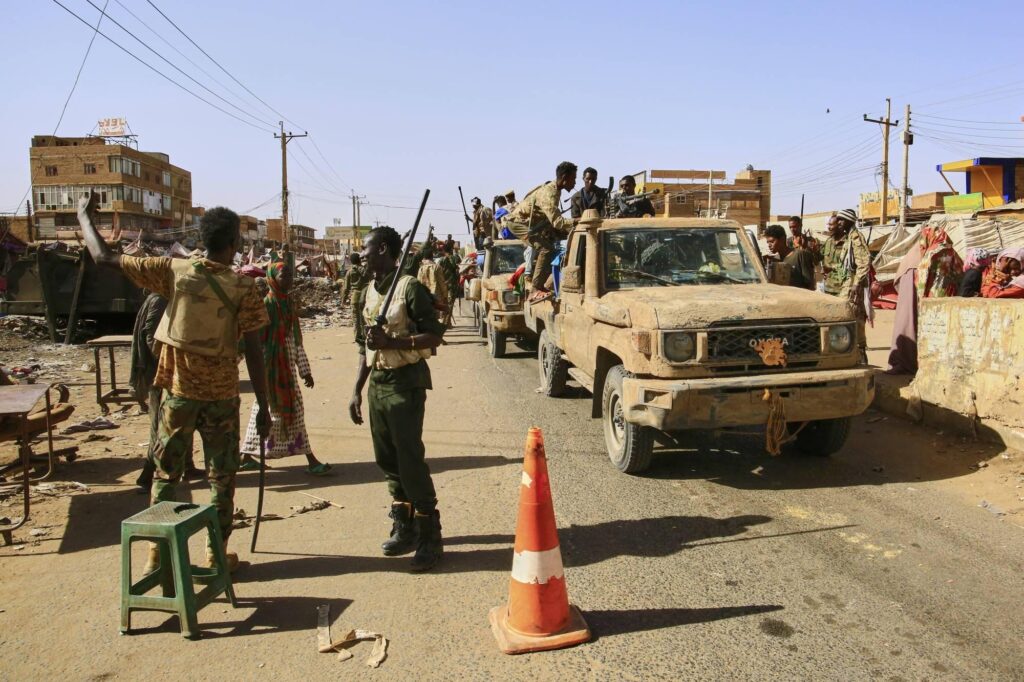
Saperton added that continued insecurity has significantly slowed efforts to restore normal life, leaving communities struggling to rebuild amid persistent fighting.
He also said Sudanese women are shouldering much of the impact of the war, working to provide food, healthcare and education for their families under extremely difficult conditions.
Women and girls he met in both Port Sudan and Khartoum, he noted, described insecurity as a constant feature of daily life.
Despite these challenges, Saperton said their resilience remains evident, reflecting a determination to endure displacement and hardship.
He further highlighted conditions in eastern Chad, where camps are hosting large numbers of people fleeing violence in Sudan.
While the camps offer temporary refuge, he said they remain difficult places to live, with humanitarian needs continuing to rise.
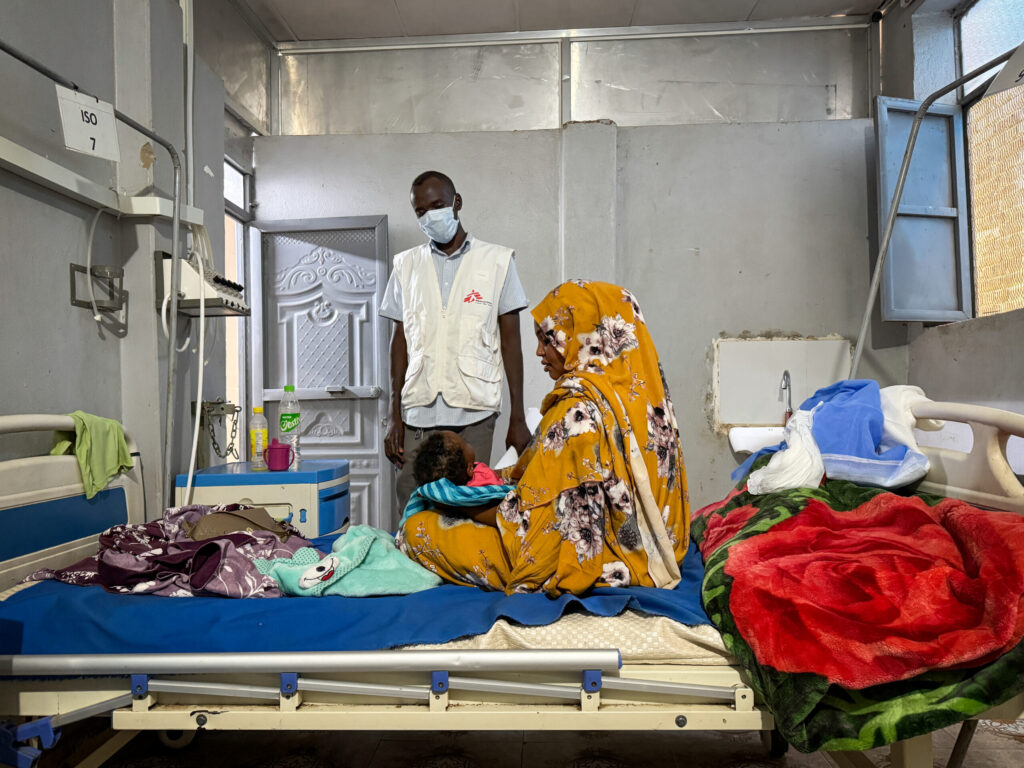
At one maternity centre, around 30 patients are treated each day under challenging circumstances, with about 10 percent of deliveries requiring caesarean sections, he said.
Saperton added that although authorities and aid groups are providing support, living conditions in the camps remain extremely harsh.
He said many displaced people face a painful choice between staying in overcrowded camps or returning to areas still scarred by war.