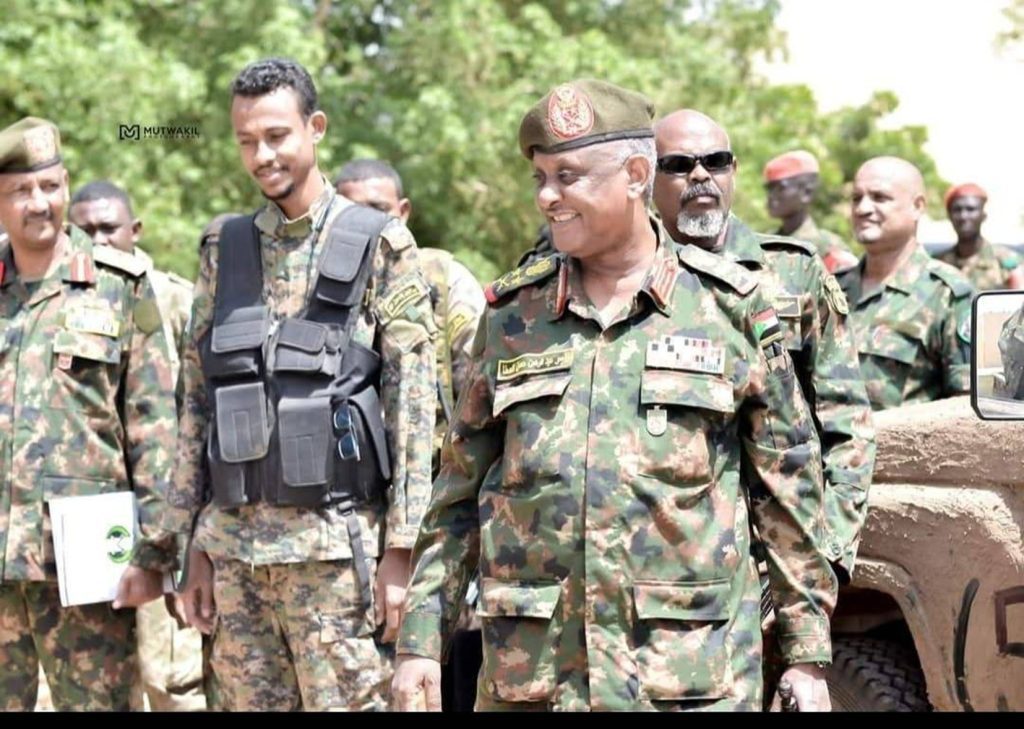
American analysts and experts have warned that networks linked to the Muslim Brotherhood are playing a central role in prolonging Sudan’s war, undermining ceasefire efforts and deepening instability across the country.
According to assessments cited by regional media, the group — designated as a terrorist organization by the United States — is exploiting Sudan’s political fragmentation to re-establish influence within military and security institutions, positioning itself as a key obstacle to stability.
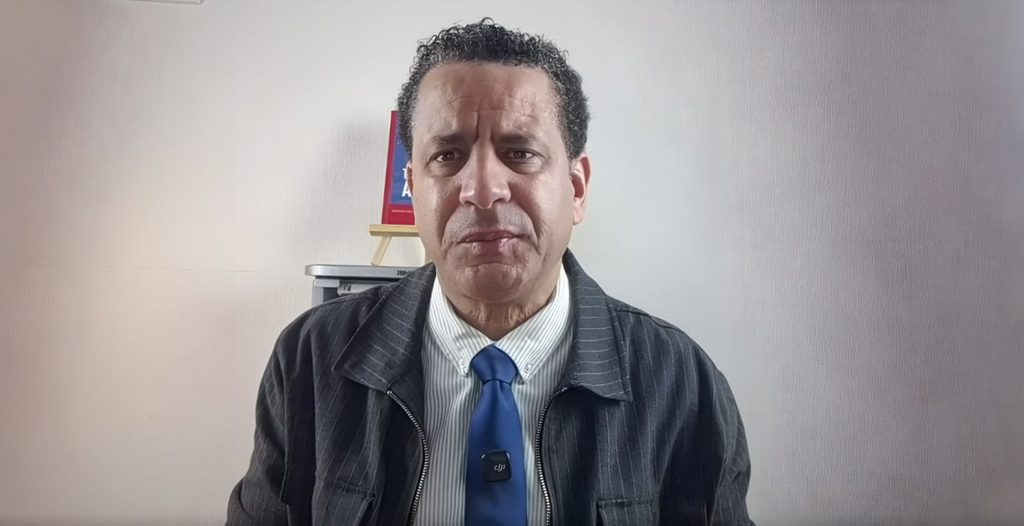
Irina Tsukerman, a US-based international relations analyst, said the group has not disappeared following the fall of former president Omar al-Bashir, but has instead reorganized through entrenched networks of loyalty and patronage within state structures.
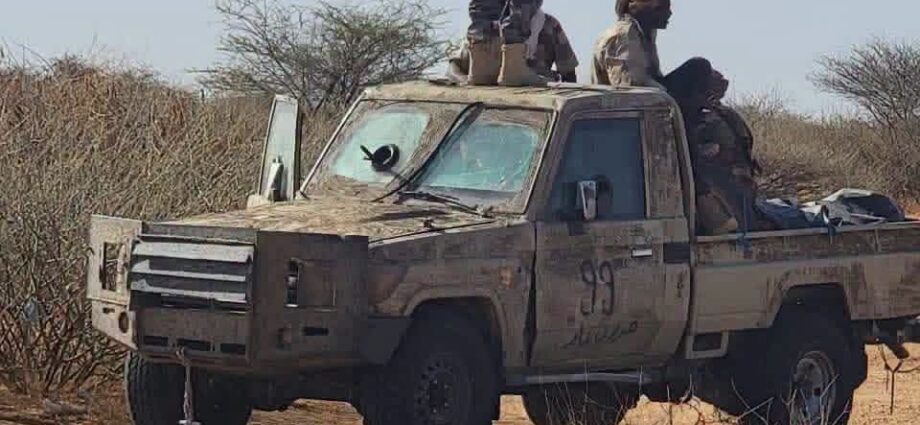
She added that affiliated elements remain active on the battlefield, providing logistical backing and ideological support to armed actors, complicating efforts to enforce ceasefire agreements.
Analysts say the continuation of violence in Sudan serves the narrow interests of these networks, allowing them to delay accountability for past abuses, block the return of civilian political forces, and maintain influence through informal channels while fueling social and political polarization.
Calvin Dark, an American analyst on global affairs, said Washington is increasingly focused on what it views as the group’s militant activities, particularly in mobilizing fighters and financing armed groups.
He warned that attempts by Brotherhood-linked actors to regain political ground under current conditions are contributing to the fragmentation of Sudanese state institutions, posing a growing threat to both national and regional stability.
Analysts concluded that any actor contributing to the militarization of society and the escalation of polarization — as they say the Brotherhood is doing — represents a direct threat to regional and international peace and security.