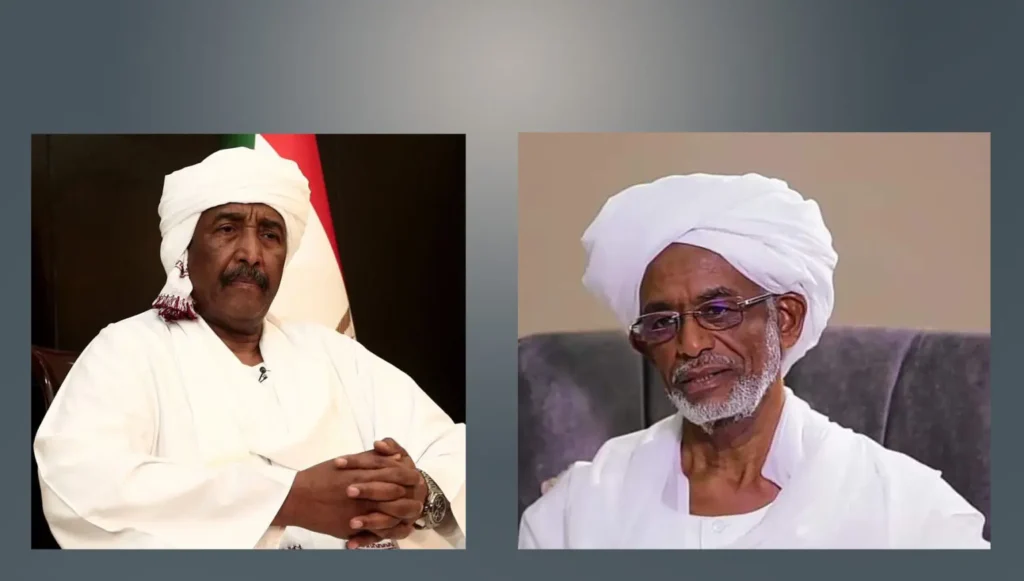
A widening dispute inside Sudan’s Islamic Movement has exposed fresh allegations of corruption, legal battles and factional maneuvering over control of the Islamic Call Organization, a major Islamist-linked body with offices across Africa.
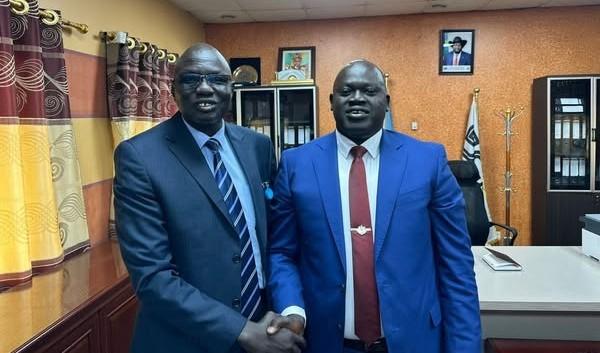
Sudanese News, citing sources inside the organization, reported that Hassan bin Ali al-Hammadi, who was appointed chairman of the board of trustees in a disputed meeting, is preparing to visit Juba and Kampala with Ahmed Mohamed Adam, the organization’s former secretary-general.
According to the same sources, the trip is being directed by Ali Karti, the secretary-general of Sudan’s Islamic Movement and one of the most influential figures in the old Islamist network. The planned meetings are expected to include government officials and religious figures in South Sudan and Uganda.
The sources said the move is aimed at shaping the position of officials in both countries after earlier outreach by Sheikh Abdulrahman bin Abdullah Al Mahmoud, the rival board chairman, strengthened communication with official institutions there.
The dispute is no longer merely administrative. It has become part of a wider struggle over influence, money and legitimacy inside the Islamist current that has remained deeply embedded in Sudan’s state structures throughout the war.
The crisis escalated after the organization’s board held an emergency meeting on May 3, removing Ahmed Mohamed Adam from the post of secretary-general and electing Yahya Adam Osman as the new secretary-general for a term running from 2026 to 2030. The board said Adam’s term had ended on February 15 and that he had failed to respond to requests to arrange a handover and convene a regular meeting.
Sudanese sources also reported that the group opposing Al Mahmoud held a separate meeting on May 1, which elected the former Qatari ambassador to Sudan, Ali bin Hassan al-Hammadi, to a senior board position and extended the term of Ahmed Mohamed Adam. Al Mahmoud’s legal team has challenged those decisions, arguing that the organization’s statute gives only the chairman of the board of trustees the authority to call board meetings.
The organization’s legal team says it has filed court challenges and secured a judicial decision suspending the move to remove Al Mahmoud and replace him with al-Hammadi. It has also called on official bodies not to deal with what it described as an illegitimate council until the dispute is settled.
Against this backdrop, sources cited by Sudanese News said the appointment of Yahya Adam Osman has alarmed the faction linked to Karti because of his legal background and ability to review files from the previous administration.
The same sources alleged that the new leadership has identified financial irregularities approaching $2 million, with further files potentially emerging as internal reviews continue.
The Kampala office is reportedly a central focus of the review because of its connection to the organization’s main account. The sources also alleged that $65,000 was withdrawn by the former secretary-general under the heading of travel expenses.
The organization’s current leadership has separately acknowledged that the controversy includes financial and administrative questions from earlier periods, including missing financial reports. Yahya Adam Osman has said the organization’s assets have returned to its administration and that work is underway to inventory affiliated companies and assets.
The organization’s leadership also says it has around 40 offices outside Sudan and that hundreds of employees dismissed during the previous period will be returned to service, presenting the move as part of an effort to restore institutional order and protect workers’ rights.
But the dispute carries a larger political meaning. Sudan Tribune has described the conflict inside the Islamic Call Organization as an extension of broader divisions among Sudanese Islamists, with the faction linked to Ali Karti accused of resisting efforts by Al Mahmoud to confront corruption files surrounding the organization.
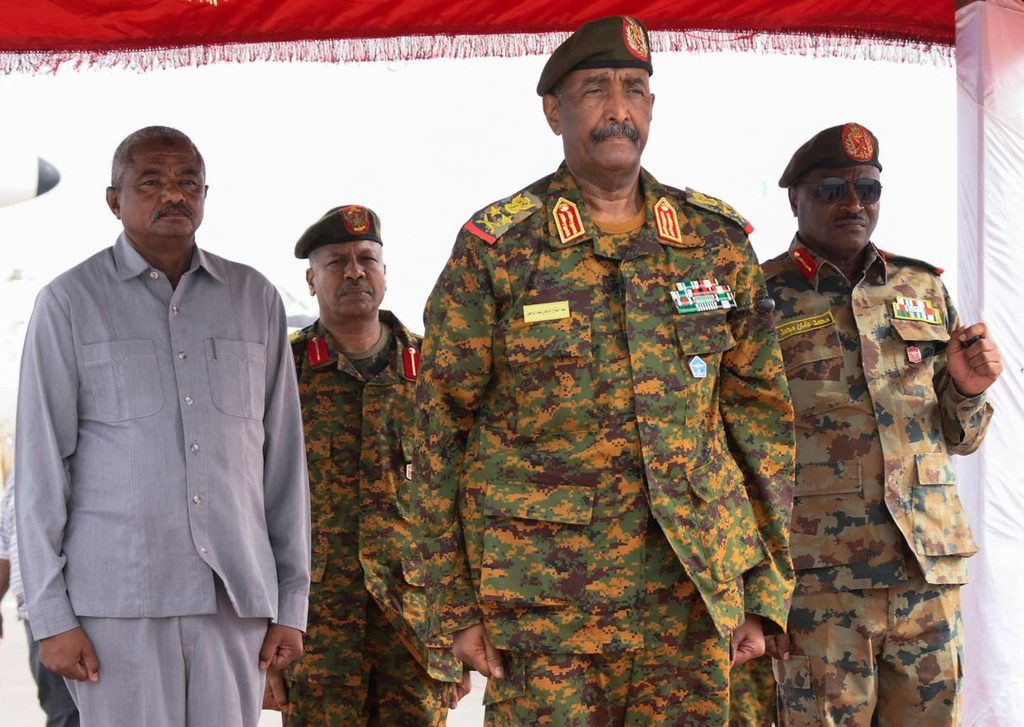
Karti, a former foreign minister under Omar al-Bashir and current secretary-general of the Sudanese Islamic Movement, was sanctioned by the United States in 2023. Washington accused him of helping derail Sudan’s democratic transition and obstructing efforts to reach a ceasefire after the outbreak of war between General al-Burhan’s SAF and the Rapid Support Forces.
The latest allegations therefore add another layer to long-running accusations that Islamist networks have used charitable, religious and state-linked institutions as vehicles for influence, finance and wartime mobilization.
In another development, sources said the faction linked to Karti and Ahmed Mohamed Adam promoted what they described as false claims about Qatari backing for al-Hammadi against the current leadership of the organization.
The sources alleged that the claims were designed to influence South Sudan’s position toward the organization and to affect the course of legal proceedings filed by the board of trustees against the former secretary-general and his group. The case relates to alleged violations of the organization’s statute and the refusal to hand over the headquarters of the general secretariat in Khartoum to the new leadership.
The organization’s internal crisis comes as leaked documents appear to reveal another side of Sudan’s war economy. A document circulated by Sudanese activists and media outlets alleges that the Islamic Movement warned SAF chief Abdel Fattah al-Burhan of growing unrest among its fighters because of delayed payments.
The alleged letter does not focus on ending the war, rescuing the collapsing economy or addressing the suffering of millions of displaced and hungry Sudanese. Instead, it reportedly demands higher wages, allowances and faster payment of financial entitlements for fighters linked to the movement.
The document reportedly refers to discontent among Islamist-linked battalions and includes a memorandum to the SAF commander, as well as the finance and defence ministers in the Port Sudan authority, demanding urgent action to resolve the payment dispute.
The question is unavoidable: if these formations are fighting for the nation, as official propaganda claims, why do the documents show them bargaining with the state over salaries, incentives and entitlements? And why does delayed payment become a source of pressure on the SAF leadership?
More seriously, the alleged letter adds to evidence of a parallel organizational structure operating inside state institutions, treating the war as an administrative and financial project governed by salaries, incentives and promotions while ordinary citizens are told to endure hunger, displacement, power cuts and the collapse of basic services.
This is not the language of volunteers. It is not the language of an independent popular resistance. It is the language of a political organization demanding the returns of its war and the dues of its fighters.
With each new leak, the picture becomes clearer: Sudan’s war is not only a military confrontation. It is also a struggle over the state itself, driven by networks of money, ideology and power that continue to compete over influence, institutions and resources while the Sudanese people pay the full price.