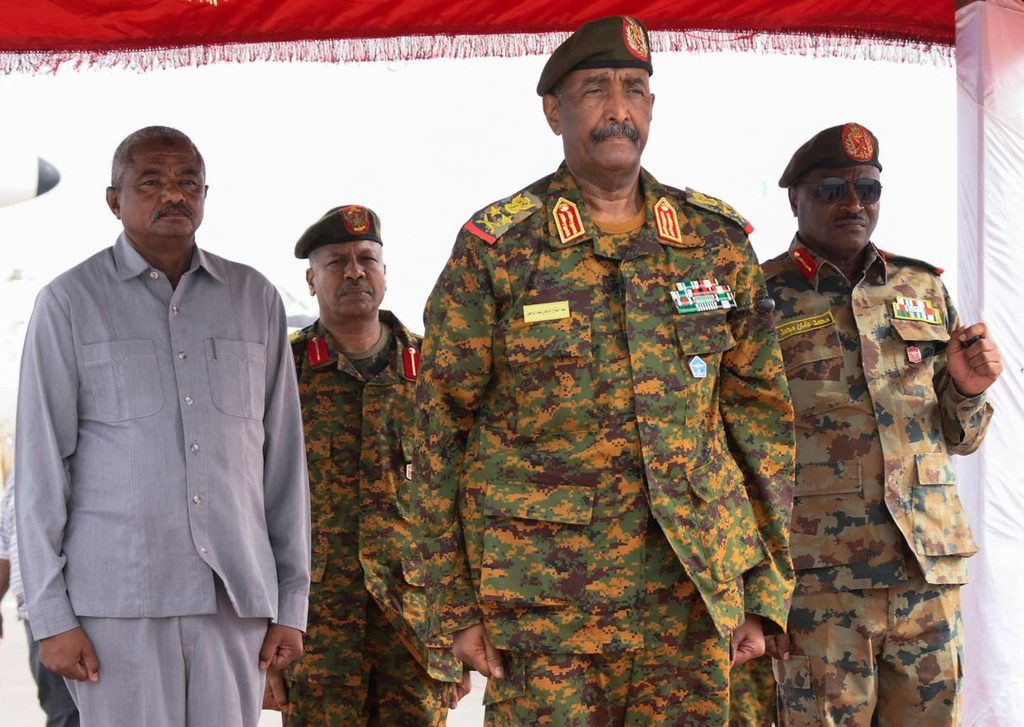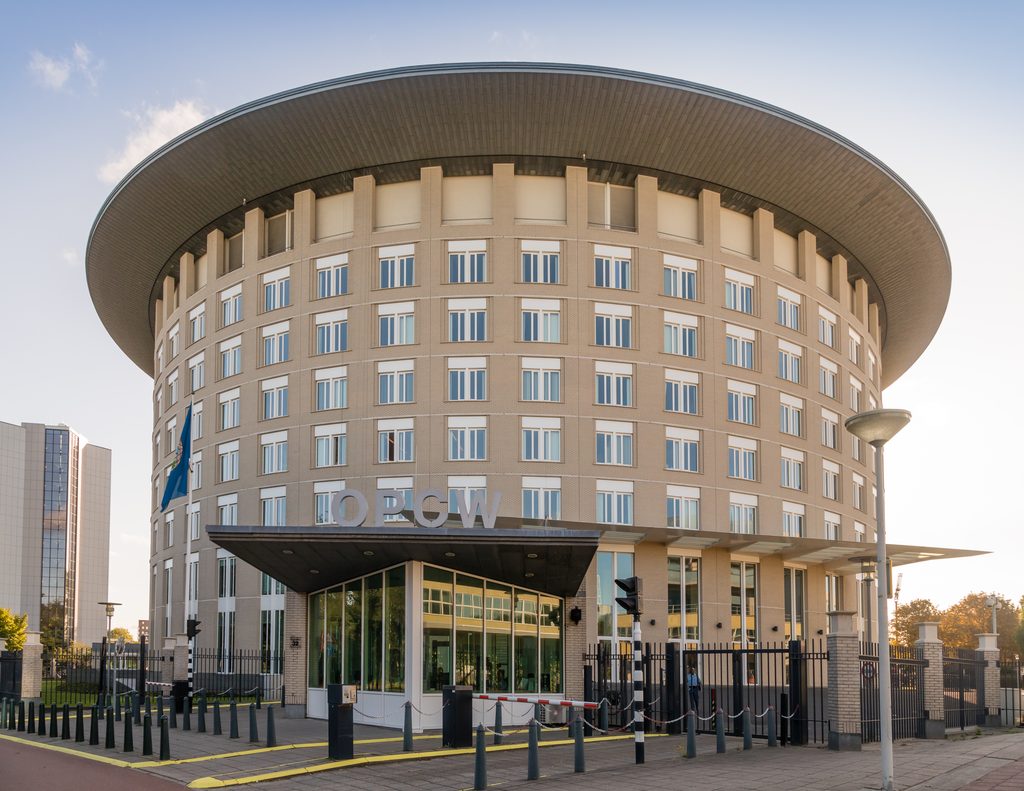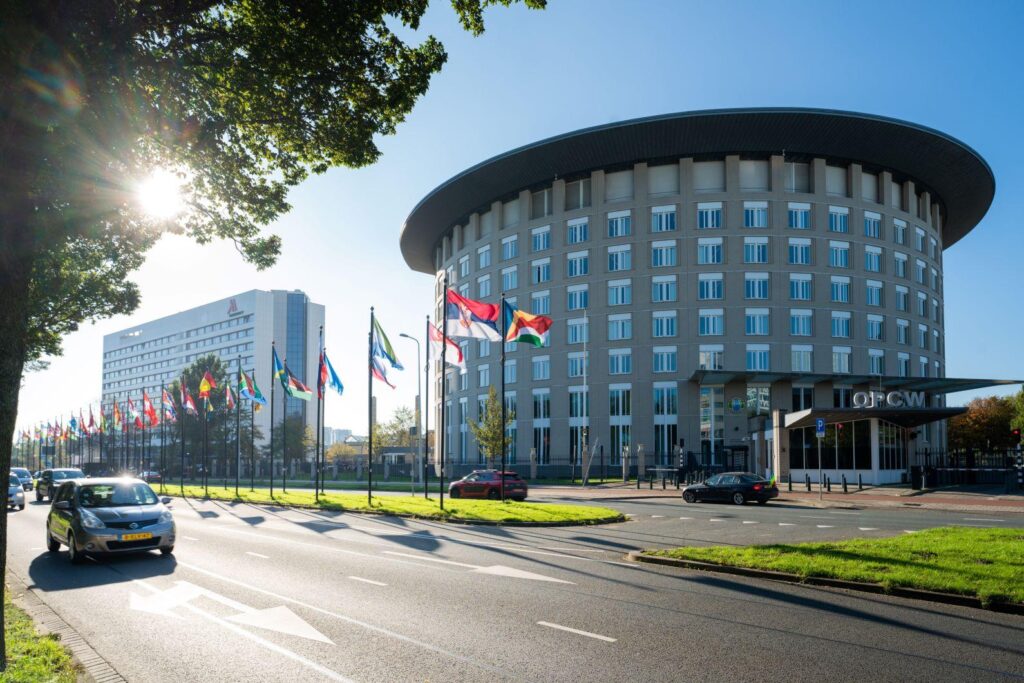
The United States has called on member states of the Organisation for the Prohibition of Chemical Weapons (OPCW) to prevent Sudan from influencing the organisation’s decisions, accusing General al-Burhan’s army (SAF) of using internationally banned chemical weapons during 2024 and failing to comply with the Chemical Weapons Convention.
In a statement delivered during the 112th session of the OPCW Executive Council, Washington said an independent technical assessment concluded that Sudan’s government, represented by the SAF leadership, used chemical weapons in 2024 and remained in violation of its obligations under the convention throughout 2025.
The US stressed that the prohibition on chemical weapons under Article I of the Chemical Weapons Convention is “absolute and non-negotiable.” It added that Sudan’s creation of a national technical committee does not replace compliance with the treaty or independent international verification.
Washington said it had informed the Sudanese government of its findings and repeatedly urged it to meet its obligations. It clarified that the United States did not send investigators to Sudan and did not oversee or participate in any internal inquiry conducted by Sudan’s national technical committee.
According to the statement, Sudan can begin restoring compliance by submitting a complete and accurate declaration to the OPCW Technical Secretariat detailing all chemical weapons-related facilities, materials and activities. The US also called on Sudan to grant unrestricted and transparent access to OPCW inspection teams to carry out comprehensive on-site verification.
The United States urged its international partners, particularly countries in the region, to join calls for immediate transparency from the Sudanese government, warning that continued non-compliance would result in further consequences.
Washington said it has already imposed a second round of sanctions on Sudan after determining that the country failed to meet legal requirements under US law. However, it added that it remains willing to work with Sudan to resolve the issue, while emphasising that compliance with the Chemical Weapons Convention is not optional.
The statement argued that the credibility of the OPCW is at stake and said full compliance with the convention is especially important for countries serving on the organisation’s Executive Council.
It concluded by urging member states to safeguard the integrity of the Chemical Weapons Convention and preserve confidence in the international treaty system by ensuring that leadership positions within the OPCW are reserved for states that fully and verifiably comply with the convention.