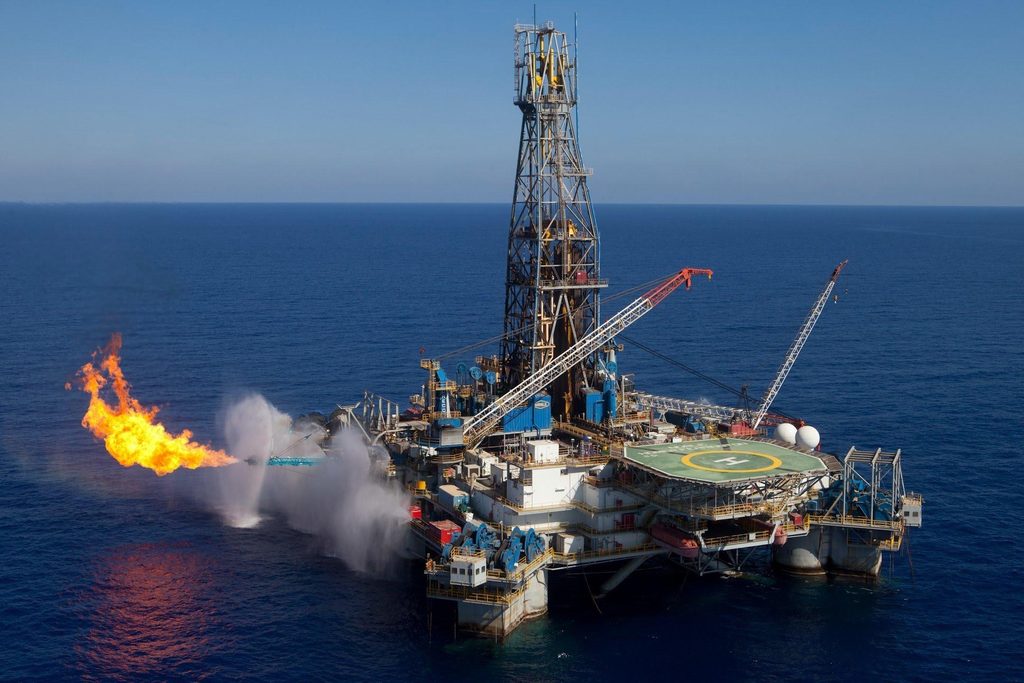
Senegal plans to increase the use of domestically produced natural gas to lower electricity generation costs and reduce its exposure to expensive imported fuels, Energy Minister El Hadji Abdourahmane Diouf said.
The West African country has expanded oil and gas production in recent years, helping lift exports and economic growth. But higher international energy prices this year have also pushed up the government’s fuel subsidy bill.
Diouf said Senegal’s energy strategy would focus on using more domestic gas, expanding renewable energy capacity and improving efficiency across the power sector.
The government, which took office in June, has said it eventually wants to reduce energy costs by as much as 30%, with changes to the subsidy system forming part of that effort.
“In the short term, the government is shifting from broad-based support to targeted subsidies focused primarily on the most vulnerable households, public transportation and strategic productive sectors,” Diouf told Reuters in written responses.
He said the aim was to make public spending more efficient while maintaining consumer protection, although no specific subsidy reforms had yet been finalised.
Senegal is also seeking further investment in its energy industry and remains open to new international partners, Diouf said.
He described BP, Kosmos Energy and Woodside Energy as strategic partners that have played major roles in the country’s recent oil and gas discoveries and development.
Senegal became an oil producer in 2024 when Australia’s Woodside began output from the Sangomar field. Gas production followed at the Greater Tortue Ahmeyim liquefied natural gas project, operated by BP.
The government has also been reassessing contracts and licences in the sector.
Former Prime Minister Ousmane Sonko, who was removed from office earlier this year, had criticised Senegal’s agreement with BP and announced plans to cancel some exploration licences.
In April, state energy company Petrosen was awarded the licence for the Yakaar-Teranga gas field, previously operated by US company Kosmos Energy.
Diouf said Yakaar-Teranga remained a key project, with production expected to supply both the domestic market and exports.
“Senegal remains open to new partners who can support the project’s development, in accordance with national interests and under the best technical, economic and commercial conditions,” he said.
He added that audits and contract reviews launched under the previous government were intended to strengthen governance in Senegal’s rapidly expanding energy sector.