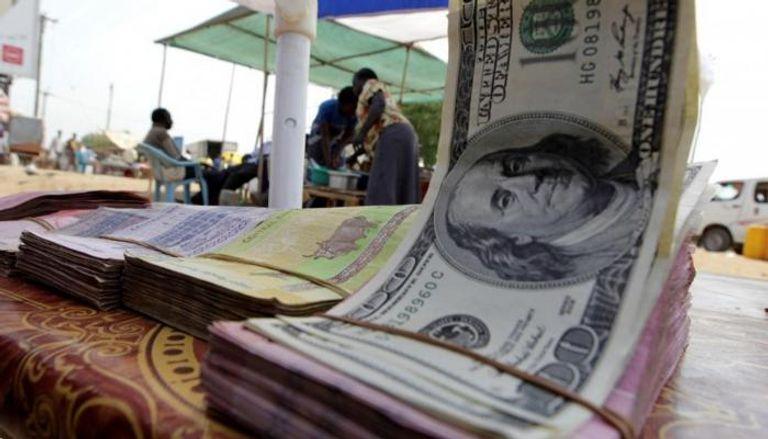
Foreign currency prices have surged again on Sudan’s parallel market, with traders saying the US dollar could soon reach 9,000 Sudanese pounds as demand for hard currency continues to rise.
The dollar traded on Monday at between 8,600 and 8,700 pounds for large transactions, according to local Sudanese media. The UAE dirham rose to around 2,287 pounds, while the Saudi riyal reached about 2,237 pounds.
The euro was quoted at roughly 9,463 pounds and the British pound at 11,121 pounds, while the Egyptian pound climbed above 160 Sudanese pounds.
Exchange rates vary between traders and across Sudan’s states, while official bank rates remained significantly lower, ranging from about 3,367 to 4,230 pounds to the dollar depending on the bank.
The widening gap between official and parallel-market rates — now exceeding 4,000 pounds per dollar in some cases — has made it increasingly difficult for banks to attract foreign currency.
Businesses, ordinary Sudanese and expatriates sending remittances have consequently continued to rely heavily on the parallel market, with Khartoum and Port Sudan accounting for some of the largest volumes of foreign currency trading.
Measures by the army-aligned authorities to stabilise the exchange rate have so far failed to halt the pound’s decline. Authorities have previously injected foreign currency into commercial banks in an effort to support the currency, but the intervention has had limited impact.
Economists and banking specialists have increasingly criticised the government’s handling of the crisis, with some calling for the dismissal of the economic team.
Sudan’s National Chamber of Importers also blamed the Cabinet’s economic committee for the worsening situation, accusing it of promoting policies that failed to prevent the pound’s continued depreciation.
The chamber said it plans to submit a detailed memorandum to army chief Abdel Fattah al-Burhan outlining what it sees as the causes of the crisis and proposing measures to address it.
Finance Minister Jibril Ibrahim has attributed the pound’s rapid decline to growing demand for foreign currency and an imbalance between imports and exports.
He acknowledged that the weakening currency has directly affected living conditions, particularly for low-income Sudanese.
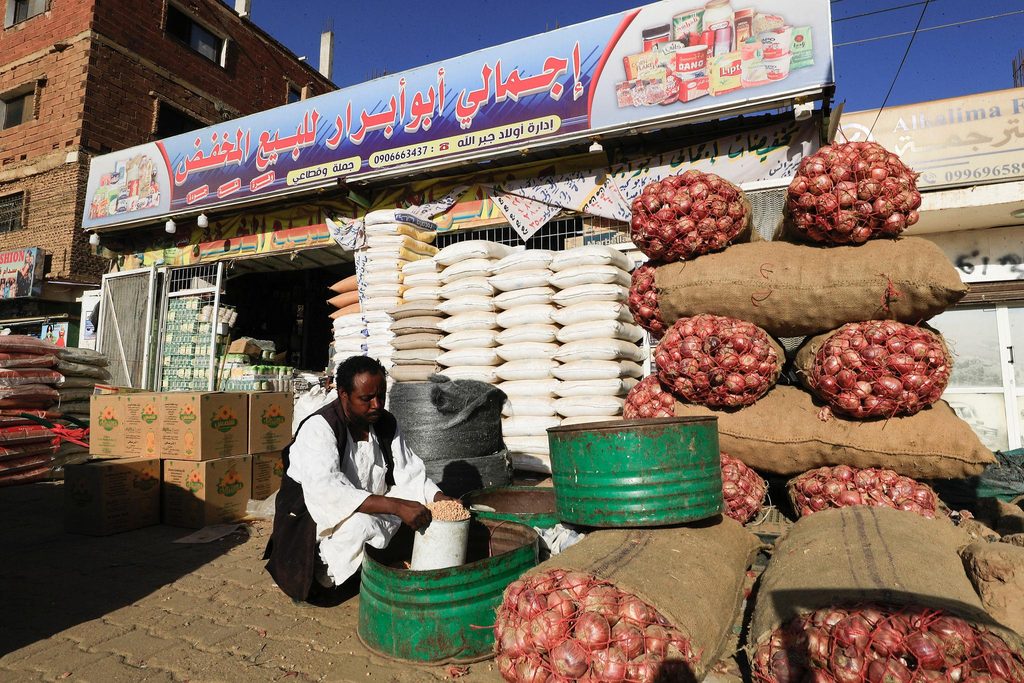
Prices of food, medicines, electrical appliances and other consumer goods have risen sharply in recent weeks, with traders frequently linking the increases to the cost of foreign currency.
Sudan’s central bank has meanwhile reversed earlier restrictions and granted commercial banks greater flexibility to adjust their published exchange rates and purchase export proceeds according to supply and demand.
Banks are now allowed to change their announced exchange rates during the trading day, provided the revised rate is publicly displayed before taking effect.
The central bank said the measures were part of its continued policy of liberalising the exchange rate.