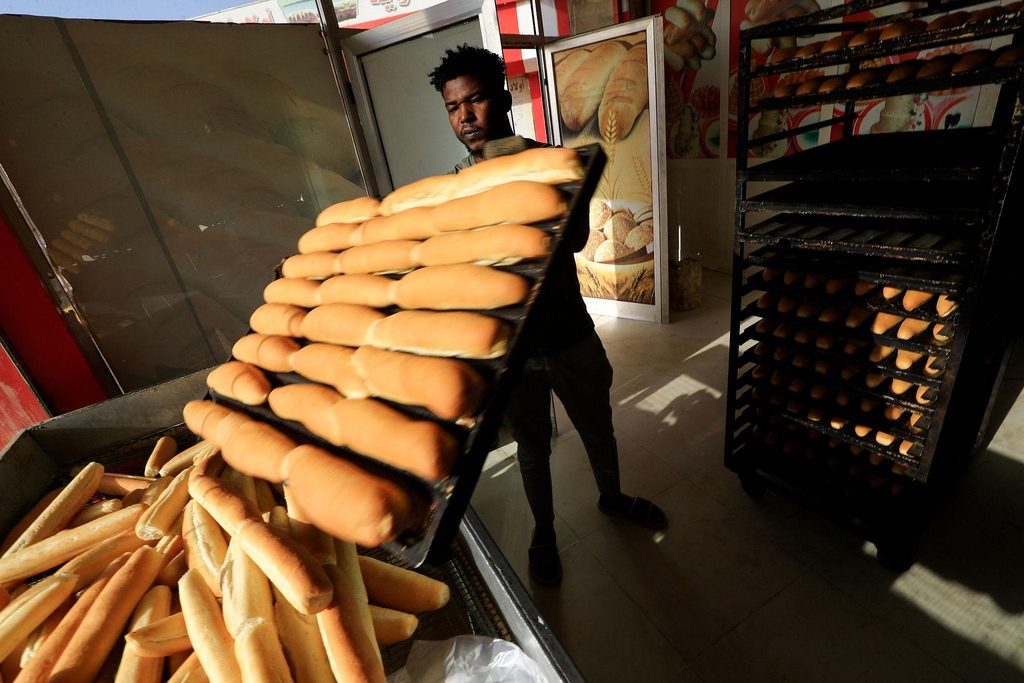
Bread prices have climbed to 500 Sudanese pounds per loaf in parts of Khartoum, triggering renewed public anger as rising production costs, a collapsing currency and the country’s prolonged war place further pressure on struggling households.
Bakeries began applying revised prices on Saturday, with two loaves selling for 1,000 pounds, according to local Sudanese media. Residents expressed frustration over the growing cost of essential goods, warning that everyday necessities were becoming increasingly unaffordable.
Bakery owners blamed the increases on soaring flour prices, higher electricity and gas bills, rising labour costs and increasingly expensive cooking oil and other production materials.
Issam Okasha, deputy head of the Khartoum Bakeries Union, said a 25-kilogram sack of flour had risen from 87,000 to 116,000 Sudanese pounds in less than two months.
The cost of commercial yeast also increased from 140,000 to 270,000 pounds per carton, while a container of cooking oil rose from 120,000 to 260,000 pounds.
The increases have left bakery operators struggling to maintain production without passing additional costs on to consumers.
Sudan’s worsening currency crisis has compounded the pressure. The Sudanese pound has approached 9,000 to the US dollar on the parallel market, driving up the cost of imported wheat, fuel and other essential commodities.
Bread prices have also increased outside Khartoum. In Kosti, White Nile state, bakeries have reportedly raised prices to 2,000 pounds for five loaves, compared with 1,000 pounds for three previously.
The latest increases come despite measures announced by Khartoum authorities in September to temporarily exempt bakeries from local government fees and maintain earlier bread prices.
The continuing increases raise questions about the authorities’ ability to contain inflation and protect household purchasing power as Sudan’s economic crisis deepens.
Meanwhile, Sudan’s food emergency remains severe. UN agencies warned in May that approximately 19.5 million people were experiencing acute food insecurity, with famine risks concentrated in parts of Darfur and South Kordofan.
The prolonged conflict, displacement, disrupted food supplies and restrictions on humanitarian access have pushed millions into increasingly precarious conditions, leaving vulnerable households exposed to further increases in the price of basic food.
In Omdurman, one resident told Ultra Sudan that purchasing bread for an average-sized family could cost approximately 10,000 pounds daily, even when households reduce consumption.