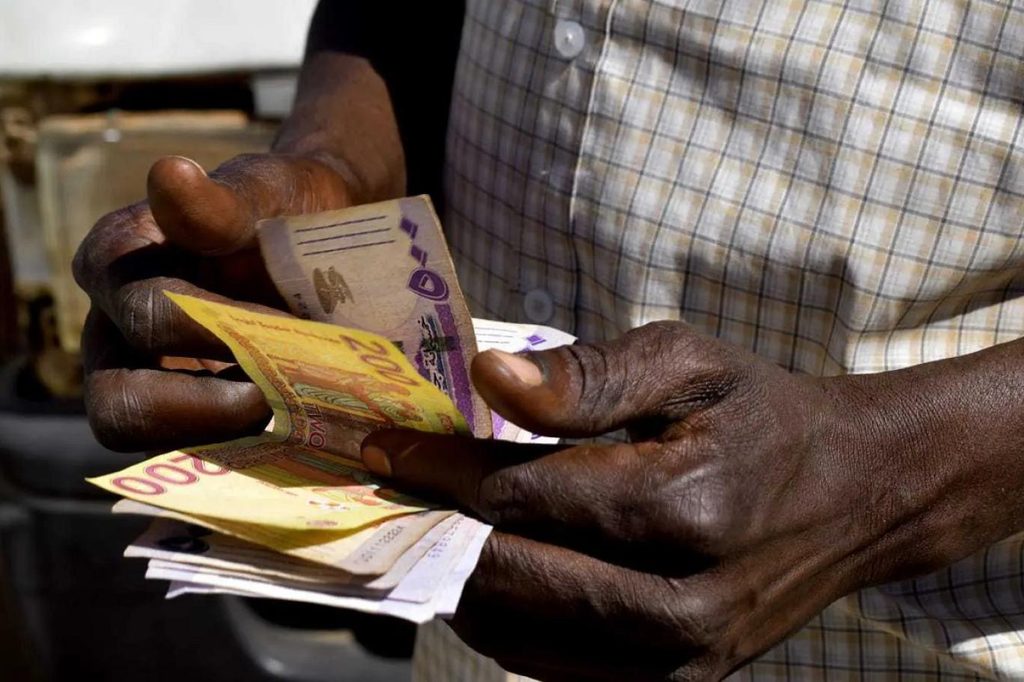
Sudan’s currency plunged to a historic low on Wednesday, reaching 10,000 Sudanese pounds against the US dollar on the parallel market as the prolonged war continues to devastate the country’s economy and erode household purchasing power.
The latest collapse marks another sharp deterioration in the national currency, which has lost approximately 60% of its value in recent months amid mounting demand for foreign currency, falling production and widespread economic disruption.
The pound has weakened by a further 20% over the past month alone, falling from 8,000 to 10,000 against the dollar, according to currency market data reported by Reuters.
Before the outbreak of war in April 2023, the exchange rate stood at approximately 600 Sudanese pounds to the dollar, highlighting the scale of the economic collapse over the past three and a half years.
Despite the dramatic depreciation, the official exchange rate remains at approximately 4,200 pounds per dollar, creating a widening gap between formal banking rates and the parallel market.
The currency crisis has intensified financial pressures on millions of Sudanese struggling with soaring food prices, displacement and the destruction of livelihoods.
Essential commodities have become increasingly unaffordable as the weakening pound drives up import costs, further undermining the purchasing power of households already battered by years of conflict.
Currency traders identified rising demand for dollars to finance imports as a major factor behind the latest depreciation.
The pressure has intensified following a decision by the Port Sudan authorities to increase the customs exchange rate, used to calculate import duties, to more than 5,600 pounds per dollar this week.
The adjustment is expected to place additional pressure on importers and could contribute to further increases in consumer prices.
Meanwhile, Sudan’s ability to generate foreign currency has deteriorated significantly as fighting disrupts agricultural production, industry and international trade.
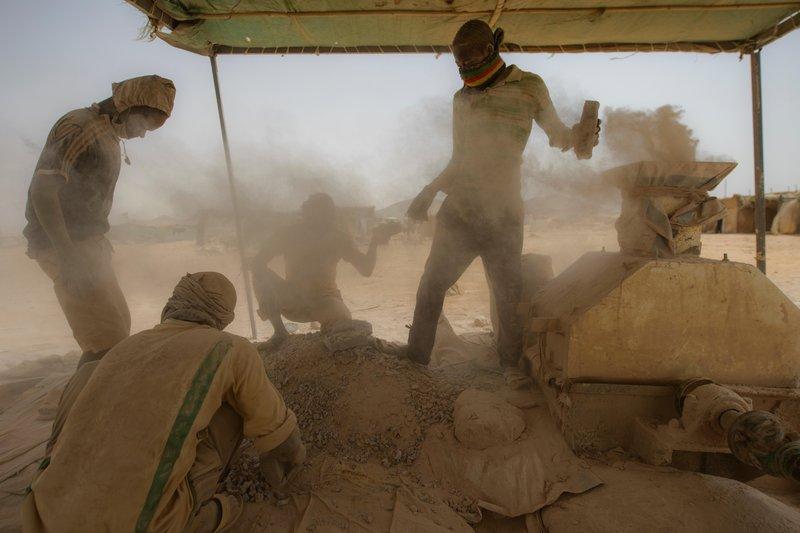
Gold, traditionally one of the country’s most important sources of export revenue, has increasingly been smuggled across borders, depriving the formal economy of critical dollar earnings.
The military-controlled administration in Port Sudan has maintained that ongoing military operations and reconstruction requirements have increased the need for imports, further draining limited foreign currency reserves.
The continued depreciation threatens to deepen Sudan’s humanitarian and economic emergency, with millions of people facing mounting difficulties accessing food, medicine and other basic necessities.
With no end to the conflict in sight, the country’s economic outlook remains deeply uncertain as dwindling export revenues, currency shortages and escalating import costs compound the hardships facing ordinary Sudanese.