Most of the people killed in Thursday’s drone strike near the aid offices in Nyala were street vendors and others who worked in the district, according to the authority overseeing humanitarian access. Less than a month earlier, people had carried the wounded from another strike in the same city to hospital on donkey carts and in tuk-tuks.
That time, the drone had hit a night market.
In West Kordofan, residents described what happens when the attacks keep coming. Families fled their homes for farms and hamlets. Fuel for water pumps and grain mills began to run out. After four days of bombardment, residents of Abu Qalb asked for three days without airstrikes so they could move the wounded and bring in supplies.
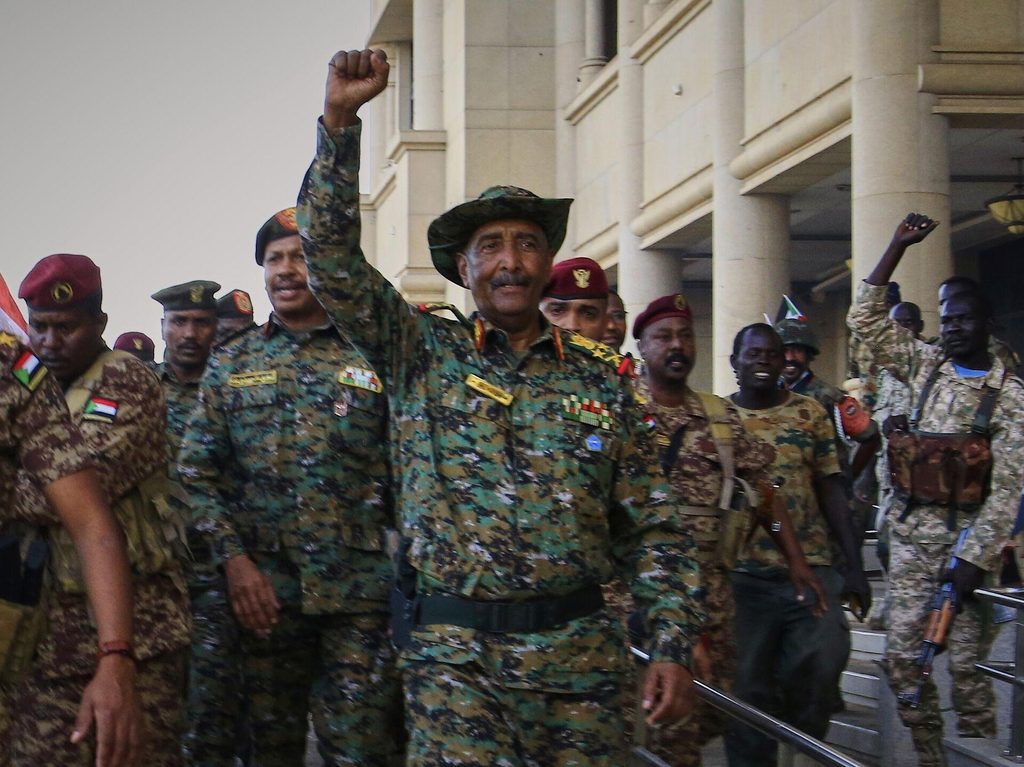
The Sudan Founding Alliance, known as TASIS, accuses General Abdel Fattah al-Burhan’s Sudanese Armed Forces (SAF) of attacking places where civilians gather to drive people from territory the alliance administers. That allegation of intent remains unproven. The fear itself is documented.
In Darfur, medical workers have described shoppers and traders arriving with burns and shrapnel wounds. In Kordofan, residents have explained why they left their homes and what it would take for them to risk the journey back to a water point or a clinic.
What the army’s account leaves unanswered
Nyala, the capital of South Darfur and the seat of the TASIS-backed Government of Peace and Unity, came under SAF bombardment for a fourth consecutive day on November 19. The army said its operations destroyed an RSF command centre and the headquarters of its civil administration.
Military sources and witnesses told Sudan Tribune that missiles hit an RSF intelligence building in Al-Mazad. RSF members publicly mourned several of their dead, including an intelligence operative and an officer.
Al-Mazad is also where street vendors earn their living and international relief agencies have offices. The TASIS-backed National Authority for Humanitarian Access (NAHA) said a drone struck near premises used by Médecins Sans Frontières (MSF), CARE International and other organisations. It put the preliminary toll at at least 27 civilians killed. TASIS separately reported 37 civilian deaths in the neighbourhood.
The army has given a public account of the buildings it says it destroyed. That account offers no explanation for the vendors’ deaths. NAHA said it believed aid agencies had previously notified the SAF government about their presence in the district. Whether that information reached the officers who authorised the strike is one of the questions the authority wants investigators to answer.
So is a more basic one for the families of those killed: what did the people who approved the attack do to protect the people working on that street?
The cost of going to market
Nyala’s traders already knew what an airstrike could cost them. On October 16, a drone hit Al-Mawashi market, killing at least four people, according to MSF. Ten days later, at about 8pm, a SAF drone struck the busy Tangooj night market in western Nyala. A cigarette seller told the Associated Press that hundreds of RSF fighters had gathered there that evening.
Civilian vendors were selling them food and other goods when the strike hit.
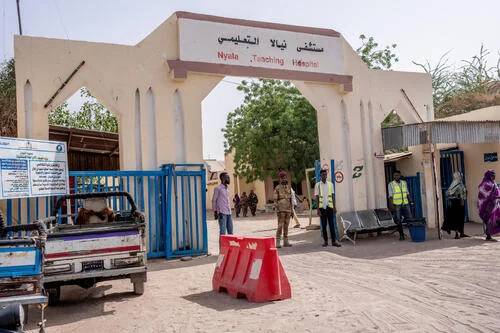
At Nyala Teaching Hospital, medical teams saw more than 150 wounded people in the emergency room. The hospital received 36 bodies. That figure records the dead brought to one facility.
The Sudanese rights group Emergency Lawyers put the overall toll above 100. MSF’s project coordinator in Nyala, Dale Koninckx, described staff treating women and children through the night. “The question everyone is asking is, ‘Why are markets being targeted?’” Koninckx said.
The Sudan Times previously documented attacks on markets, mourners and displaced families in its report Terror in the skies. What the medical evidence from Nyala adds is a consequence that a casualty count misses. A trader can stay home after a bombing, but loses the day’s income. A family that avoids the market still needs food.
MSF warned that repeated strikes were jeopardising access to supplies in a city already facing growing concern over malnutrition.
When the place people fled to comes under attack
In West Kordofan, Abu Qalb had become a place people depended on precisely because another town had grown dangerous. Repeated drone attacks had disrupted trade and services in nearby Abu Zabad. Abu Qalb became an alternative trading centre and a source of drinking water for surrounding villages. Then it, too, came under bombardment.
Emergency Lawyers initially reported that an army airstrike in the area killed at least 13 people, including women and children. By November 18, the group put the toll at 30. Residents told Darfur24 that families had scattered and medicines were running short, including treatment for childhood anaemia.
In their November 19 appeal, they warned that water stations and mills could stop operating within two days for lack of fuel. They appealed directly to Burhan and RSF commander Mohamed Hamdan Dagalo for a pause.
Abu Qalb illustrates how an air campaign can empty an area well beyond the streets it hits. One functioning water point can serve several villages. One mill can keep families supplied with flour after they have already fled once. When residents told the outside world what they needed, their list included fuel to keep both running.
What Burhan’s government already knew
The SAF government had been formally challenged over the civilian consequences of its air campaign long before the latest deaths in Nyala. A UN panel of experts verified 140 SAF airstrikes across 20 urban areas of Darfur between January 1 and November 10, 2024. The investigators checked each incident against at least three independent sources.
They concluded that the army had carried out widespread indiscriminate strikes and that those attacks amounted to war crimes.
Among the cases the panel documented was an October 2024 strike on the market in Kuma, North Darfur. It killed about 65 civilians, including 13 children, and wounded some 200 people. In East Darfur, a strike hit a hospital and a nearby school sheltering displaced families in Ed Daein, killing at least 11 civilians.
Asked by the panel to account for its conduct, the SAF government replied in December 2024 that its forces respected the principles of distinction, military necessity and proportionality.
That reply is now nearly two years old. In the intervening period, doctors in Nyala have counted bodies from another market, families in West Kordofan have fled another commercial centre and street vendors have been reported killed outside another group of civilian facilities.
Burhan’s command has had ample notice of the danger its operations pose to people living under rival control. Its published account of Thursday’s operation still leaves those families without an answer.
The TASIS-backed administration says it has assembled witness accounts, photographs and preliminary casualty assessments for submission to the International Criminal Court prosecutor and UN investigators.
One fact deserves particular scrutiny when investigators examine that file. By the fourth day of bombing, the SAF could identify the command facilities it claimed to have destroyed. The families of the people who went to work in Al-Mazad that Thursday are still waiting to learn what precautions the army took before it fired.